
Fabric blends in bedding: your 2026 material guide
TL;DR:
- Fabric blends in bedding combine fibers to balance softness, breathability, durability, and care. Popular options include cotton-polyester, cotton-linen, bamboo-cotton, and silk blends, each suited for different preferences and needs. The ratio of fibers and weave type significantly influence performance, lifespan, and comfort levels of sheets.
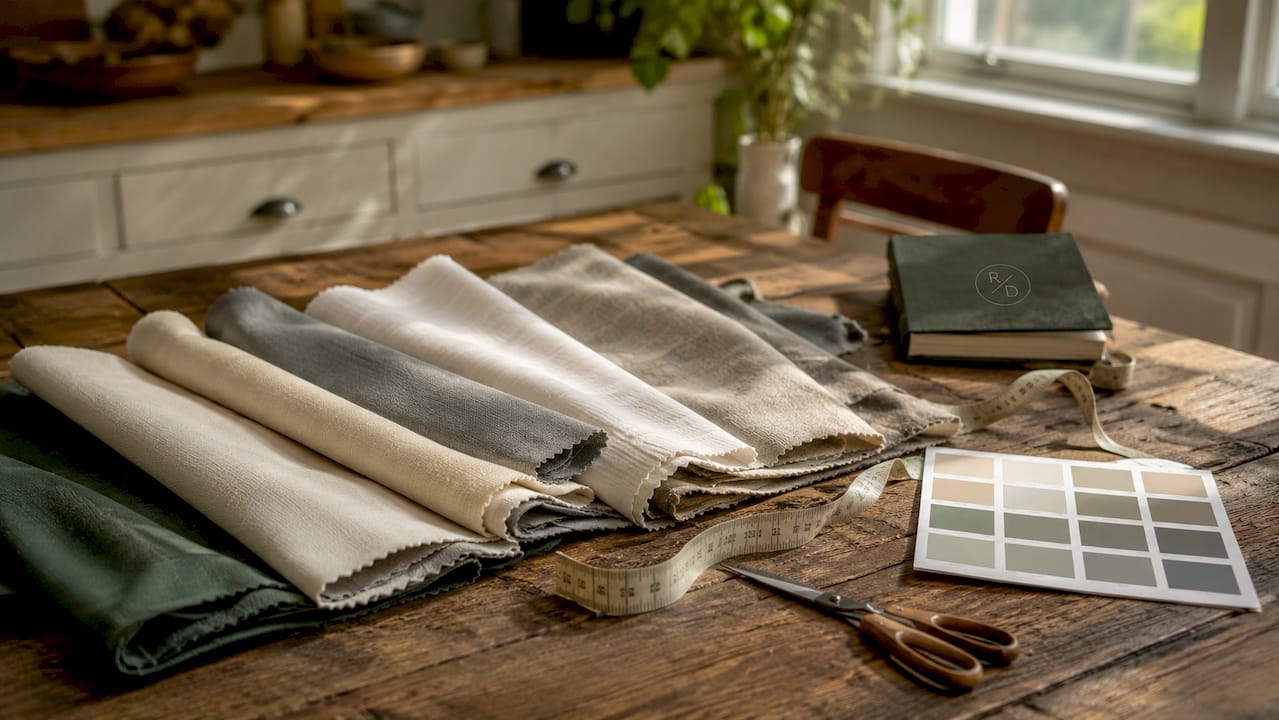
Fabric blends in bedding are engineered combinations of two or more fibres designed to deliver balanced performance across softness, breathability, durability, and easy care. In the textile industry, the standard term is blended fabric, and it describes any sheet, duvet cover, or pillowcase woven from mixed fibre types. Cotton and polyester blends dominate the market, but bamboo-cotton, cotton-linen, and silk blends each serve distinct sleeper needs. Understanding which blend suits your priorities is the fastest route to a better night’s sleep.
1. What are the most popular fabric blends in bedding?
The four blends you will encounter most often are cotton-polyester, cotton-linen, bamboo-cotton, and silk blends. Each targets a different combination of comfort, cost, and care.
- Cotton-polyester. The most common industrial bedding blend, typically produced in 50/50 to 65/35 ratios, improving wrinkle resistance and dimensional stability by 30–50% versus 100% cotton. This makes it the go-to choice for households that want low-maintenance sheets.
- Cotton-linen. A firmer, more textured option that softens with every wash. Linen adds breathability and a relaxed, lived-in aesthetic, while cotton contributes structure and a smoother hand-feel.
- Bamboo-cotton. Bamboo-cotton blends outperform 100% cotton in moisture-wicking and temperature regulation. Bamboo absorbs moisture rapidly; cotton provides the structural durability that bamboo alone lacks.
- Silk blends. Silk combined with cotton or lyocell retains the temperature-regulating and smooth properties of pure silk at a lower price point. Care requirements are more delicate, but the sleep experience is noticeably luxurious.
Pro Tip: If you run warm at night, prioritise bamboo-cotton or a cotton-heavy 70/30 poly-cotton blend. Both manage moisture more effectively than a 50/50 ratio.
2. How do blended fabrics compare to pure fibres?
Blended fabrics offer measurable advantages over single-fibre options in several key areas. The comparison below covers the qualities most relevant to everyday use.
| Quality | Cotton-polyester blend | 100% cotton | Cotton-linen blend |
|---|---|---|---|
| Wrinkle resistance | High | Moderate | Low to moderate |
| Breathability | Good | Very good | Excellent |
| Durability | Good | Very good | Excellent |
| Care ease | Very easy | Easy | Moderate |
| Softness on first use | Good | Very good | Moderate |
Synthetic-heavy blends like polyester-cotton typically last 1–2 years in heavy-use environments, whereas premium long-staple natural fibres such as high-quality cotton or linen can last 5–10 years with proper care. That gap in lifespan is the primary reason many buyers eventually invest in higher-quality blends or pure natural fibres.
Softness and hand-feel depend heavily on fibre composition and weave type. A sateen-woven cotton blend will feel noticeably silkier than a percale-woven version of the same fibre mix. Care is generally simpler with blends. Pure silk and high-quality linen often require cooler wash cycles and air drying, while most cotton-polyester blends tolerate a standard machine wash.
Pro Tip: Check the fibre ratio on the label before purchasing. A blend labelled “cotton rich” typically contains at least 60% cotton, which preserves most of the natural breathability you expect.
3. What factors should you consider when choosing bedding blends?
Matching a blend to your personal priorities produces better results than choosing by brand name alone. The four factors below cover the decisions most buyers face.
- Temperature regulation. Hot sleepers benefit most from bamboo-cotton blends, which combine bamboo’s rapid moisture absorption with cotton’s structural durability. A 30/70 polyester-cotton blend also feels close to cotton and suits summer use well.
- Budget. Quality bedding ranges from around £28–£50 for basic cotton-polyester blends and microfibre up to £130–£395 for premium long-staple fibres like Egyptian cotton or French linen. Entry-level blends are a practical starting point; premium blends reward long-term investment.
- Maintenance. Cotton-polyester blends are the easiest to care for. Cotton-linen and silk blends require more attention but retain their appearance longer when handled correctly.
- Aesthetic preference. Weave choice shapes the visual result as much as the fibre mix. Sateen blends produce a lustrous, hotel-style finish. Percale blends deliver a crisp, matte look that suits minimal and farmhouse bedroom styles.
For guidance on pairing blend choices with your bedroom style, the bedding selection workflow at Roomie-design walks through each decision step by step.
4. How does blend ratio affect sheet performance?
The ratio of fibres in a blend is not arbitrary. It is engineered to hit specific performance targets. Industry-standard blends typically use 60/40 or 65/35 cotton-polyester ratios, maximising moisture absorption while improving wrinkle resistance and durability across hundreds of washes.
| Blend ratio | Primary benefit | Best suited for |
|---|---|---|
| 65/35 cotton-polyester | Wrinkle resistance, durability | Everyday household use |
| 50/50 cotton-polyester | Balanced moisture and easy care | General use, budget buyers |
| 70/30 cotton-polyester | Closer to pure cotton feel | Hot sleepers, summer use |
| 60/40 bamboo-cotton | Superior moisture-wicking | Hot sleepers, sensitive skin |
| Silk-cotton blend | Temperature regulation, softness | Luxury buyers |
Weave type amplifies or softens the effect of any ratio. Percale offers a crisp, lightweight feel ideal for hot sleepers, while sateen delivers a smooth, drapey, lustrous texture. The combination of ratio and weave determines the final sleep experience more than either factor alone.
Fabric weave often influences durability more than the fibre blend itself. A dense percale weave with a cotton-polyester blend can outlast a loosely woven 100% natural fabric. This means a well-chosen blended sheet at a mid-range price can outperform a poorly constructed pure-fibre sheet at a higher price point.
5. What about microfibre and sustainable blended options?
Microfibre is a synthetic blend option worth understanding separately. It is typically 100% polyester but woven at an extremely fine gauge, producing a soft, lightweight feel at a low price. Microfibre bedding suits budget-conscious buyers and is easy to care for, though it does not match the breathability of cotton-rich blends for warm sleepers.
Sustainable blended options are growing in availability. Lyocell, often sold under the Tencel brand name, blends well with cotton and linen to produce sheets with strong moisture management and a soft hand-feel. Bamboo-lyocell blends are another option gaining traction for buyers who prioritise sustainable bedding materials alongside comfort. These blends use fibres derived from renewable plant sources, making them a practical choice for environmentally aware shoppers.
6. How to spot quality in a blended fabric sheet
Not all blends are equal in quality. Consumers sometimes encounter low-priced “Egyptian cotton” blends that contain inferior short-staple cotton. Authentic long-staple fibres require higher investment and deliver superior longevity and softness. The label alone is not a reliable guide.
Three practical checks help identify quality:
- Check the fibre ratio. A higher cotton or natural fibre percentage generally means better breathability and a more natural hand-feel.
- Assess the weave density. Hold the fabric up to light. A tightly woven sheet with minimal light passing through signals better durability.
- Read the thread count in context. A 400–1000 TC sheet in a sateen weave delivers a noticeably rich, smooth feel. Thread count is most meaningful when considered alongside fibre type and weave.
For a broader overview of premium bedding materials, Roomie-design’s homeowner guide covers fibre types, weave options, and thread count in practical detail.
My view on blended fabrics and bedding choices
Blends are deliberate engineering, not a compromise. Textile experts confirm that blends purposefully combine fibre strengths to improve temperature regulation and comfort. The idea that a pure fibre is always superior misses the point entirely.
What I find most underestimated is the role of weave. Many buyers focus entirely on fibre content and overlook the fact that weave choice impacts hand-feel as much as fibre content does. A sateen-woven bamboo-cotton blend will feel completely different from a percale version of the same mix. Choosing the right weave for your sleep style is as important as choosing the right fibre ratio.
The practical advice I would offer is this: match the blend to your actual sleep conditions. Hot sleepers should prioritise moisture management over aesthetics. Budget buyers should look at cotton-polyester blends with a dense weave rather than cheap pure-fibre options that wear quickly. Luxury buyers will find that silk blends and long-staple cotton options at 1000 TC deliver a sleep experience that justifies the investment.
— Roomie
Explore premium blended bedding at Roomie-design
Roomie-design offers a curated range of bedding sets built around carefully selected fabric blends, from Egyptian cotton collections to mulberry silk options.
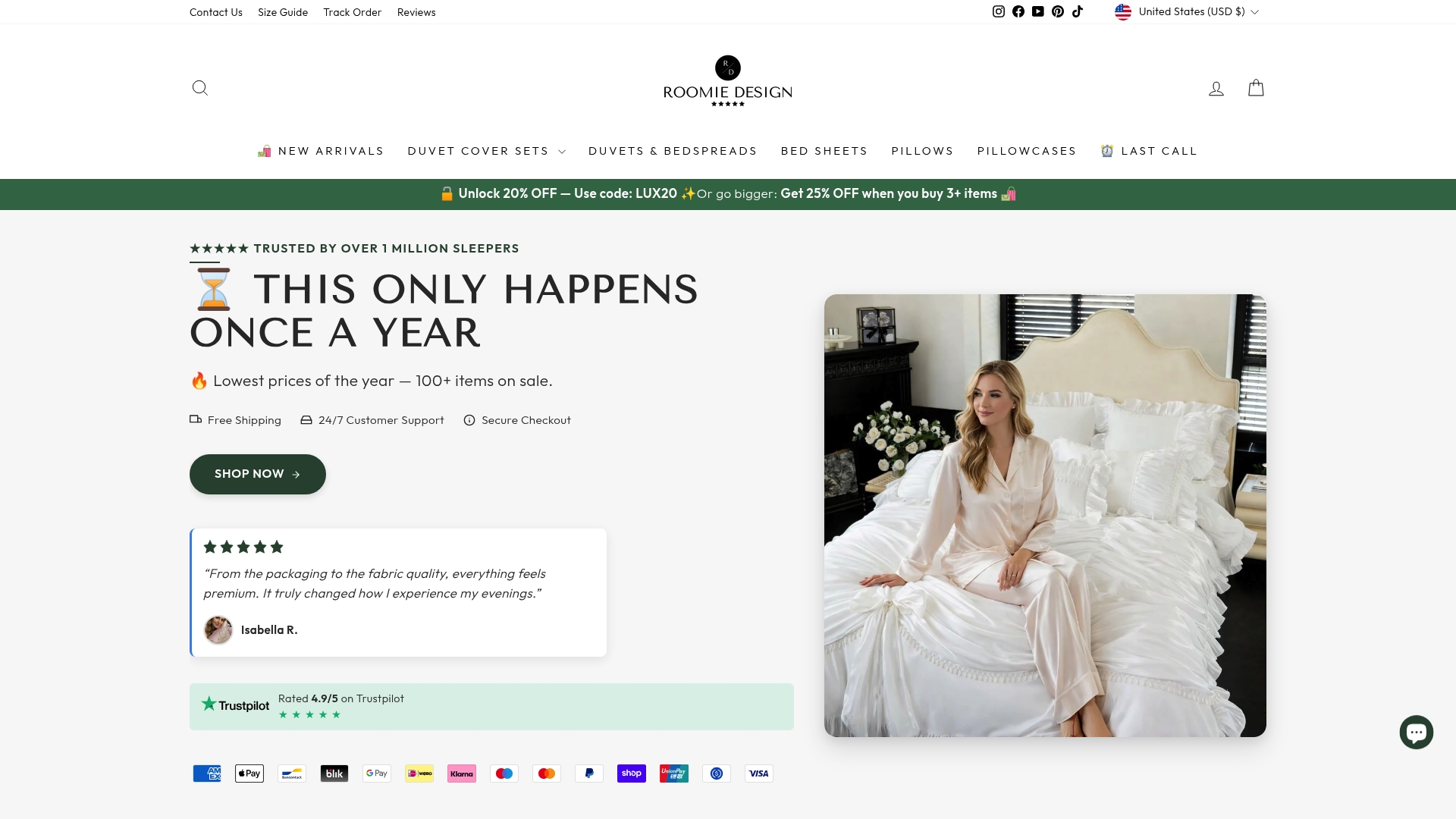
The Prestige Beige 1000 TC Egyptian Cotton duvet cover set delivers the softness and longevity that long-staple cotton blends are known for. For a silk experience, the Dusty Rose Mulberry Silk 22mm duvet cover set offers natural temperature regulation and a premium hand-feel. The Aristocrat Gold luxury set combines opulent design with durable fabric construction for buyers who want both style and performance. Browse the full collection at Roomie-design to find the blend that suits your sleep style.
FAQ
What is blended fabric bedding?
Blended fabric bedding is made from two or more fibre types woven together, such as cotton and polyester or bamboo and cotton, to combine the strengths of each fibre into a single fabric.
Are fabric blends better than 100% cotton sheets?
Blends offer advantages in wrinkle resistance, durability, and easy care. A 65/35 cotton-polyester blend holds its shape through hundreds of washes better than 100% cotton, though pure cotton retains an edge in natural breathability.
Which fabric blend is best for hot sleepers?
Bamboo-cotton blends are the top choice for hot sleepers, as bamboo absorbs moisture rapidly while cotton provides structural support. A 70/30 cotton-polyester blend is a more affordable alternative with similar cooling benefits.
Does weave type matter as much as fibre blend?
Yes. Percale weave produces a crisp, cool feel, while sateen delivers a smooth, lustrous drape. Weave choice affects hand-feel and breathability as directly as the fibre ratio itself.
How long do blended fabric sheets last?
Lifespan depends on blend composition and weave quality. Budget cotton-polyester blends typically last 1–2 years with regular use, while premium long-staple cotton or linen blends can last 5–10 years with proper care.


