
Long staple cotton: what it means for your bedding
Long staple cotton refers to fibres roughly 1.13 to 1.38 inches (29 to 35 millimetres) long, and that extra length is what gives sheets their smoother feel, stronger threads, and resistance to pilling. Short fibres leave more loose ends poking out of the yarn, which is what causes that rough, fuzzy texture after a few washes. Long fibres spin into smoother, tighter yarn with fewer weak points along its length.
Fibre length is only part of the story, though. How that yarn gets spun, plied, and woven into fabric determines just as much of the finished feel as the raw cotton itself.
- Softer hand: fewer protruding fibre ends against your skin
- Stronger threads: long fibres interlock more securely during spinning
- Less pilling: fewer loose ends means fewer little fuzz balls over time
- Better ageing: quality long-staple bedding tends to soften rather than thin out
Table of Contents
- What is long staple cotton, exactly?
- Why long staple cotton feels different on your bed
- Long staple vs short staple vs extra-long staple cotton
- Egyptian, Pima and Supima: what these names actually tell you
- How spinning and weave turn long staple cotton into a finished sheet
- What to check before buying long staple cotton sheets
- Roomie Design’s approach to long staple cotton bedding
- Why the fibre length obsession misses half the picture
- Ready to feel the difference in long staple cotton?
- Frequently asked questions about long staple cotton
- Sources
What is long staple cotton, exactly?
Cotton fibre gets sorted into length categories long before it ever reaches a loom, and where a batch lands on that scale decides almost everything about the yarn it can become. Textile classification systems break staple length into bands: very short, short, medium, long, and extra-long, with long staple around 1.13 to 1.38 inches and extra-long above that. Staple length standards) place long staple squarely at 29 to 35 millimetres, with extra-long staple starting above that.
The gap between medium and long staple sounds small on paper, but it changes how spinners handle the fibre. Longer strands need fewer twists to hold together in a yarn, which means the finished thread can be thinner, smoother, and just as strong as a thicker yarn made from short fibres.
The numbers, at a glance:
- Short staple: under 1 inch (25 mm) — common in budget cotton blends
- Medium staple: 1 to 1.13 inches (25 to 29 mm) — the bulk of commercial cotton
- Long staple: 1.13 to 1.38 inches (29 to 35 mm) — the range most premium sheets sit in
- Extra-long staple: above 1.38 inches (35 mm) — reserved for the rarest, finest cotton
Botany explains most of this. Gossypium barbadense, the species behind Egyptian and Pima cotton, naturally produces longer, silkier fibres than Gossypium hirsutum, the workhorse species behind most of the world’s cotton crop. That single genetic difference is the reason certain regions and varieties consistently produce longer staple, while others don’t, regardless of how carefully the crop is farmed.
Why long staple cotton feels different on your bed
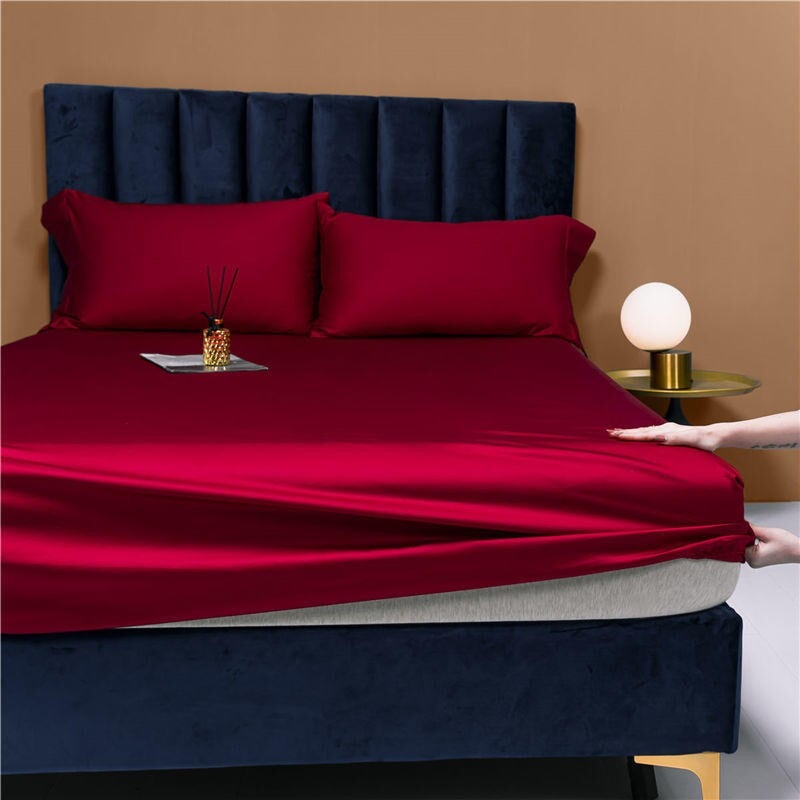
Pick up a sheet made from long staple cotton and the difference is immediate, and the reasons behind it are entirely mechanical rather than mysterious. Longer fibres mean fewer loose ends sticking out of the yarn, and those loose ends are exactly what creates roughness and static fuzz on cheaper cotton.
Here’s what that translates to in daily use:
- A smoother, softer hand feel — fewer fibre ends means less surface friction against skin
- Stronger, more durable yarn — long fibres interlock better, so the thread resists snapping and thinning through repeated washing
- Noticeably less pilling — those small friction bobbles form from loose fibre ends working free, which long staple simply has fewer of
- Improved breathability across weaves — a well-spun long-staple yarn creates a more even, consistent weave structure, whether it ends up crisp percale or silky sateen
- Better drape over time — long-staple bedding tends to soften and mould beautifully with age rather than growing thin and papery
The strength advantage matters more than most shoppers realise. It’s what allows manufacturers to spin finer yarns and weave them at higher densities, which is exactly how a 600 or 800 thread count sheet stays breathable rather than heavy, since the individual threads are thinner and more tightly packed rather than thick and clumped.
Pro Tip: Run your hand across a sheet in the shop or check reviews for mentions of “softening over time” rather than “soft out of the box.” Long-staple cotton often needs a wash or two to reach its best feel, while cheaper short-staple blends are sometimes treated with softeners that wash out fast.
Long staple vs short staple vs extra-long staple cotton
Not all cotton behaves the same way once it’s spun, and the differences show up long before the sheet reaches your bed. Short staple fibres produce “hairier” yarn, with more loose ends escaping the twist, which is why cheaper cotton sheets often feel rougher and pill faster. Long staple cotton spins into smoother, more even yarn. Extra-long staple pushes that even further, allowing the finest, most lustrous yarns on the market.
- Short staple: widely used in everyday cotton goods and budget bedding; spins into thicker, hairier yarn; typically the most affordable option
- Long staple: the standard for good-quality sheets and towels; smoother yarn, stronger threads, better resistance to pilling
- Extra-long staple: used in the most luxurious bedding lines; the smoothest, strongest, most lustrous yarn achievable, and priced accordingly for its scarcity
Price brackets follow this scale fairly predictably, since extra-long staple cotton is harder to grow and represents a smaller share of the global crop.
Where shoppers run into trouble is trusting a geographic label as a stand-in for staple length. “Egyptian cotton” and similar terms usually signal that a sheet was made with long or extra-long staple fibre, but the label alone doesn’t guarantee it. A poorly spun or coarsely woven fabric made from genuinely long-staple cotton can still underperform a well-made sheet from a shorter-staple blend, which is exactly why construction details deserve more attention than a country name on the packaging.
Egyptian, Pima and Supima: what these names actually tell you
Three names dominate the long-staple conversation, and each one carries a slightly different meaning worth understanding before you buy.
Egyptian cotton traditionally refers to cotton grown in the Nile Delta, where the climate and soil have long produced some of the world’s finest extra-long staple fibre. Genuine Egyptian-grown ELS cotton is relatively scarce, which is part of why authentic Egyptian cotton sheets carry a premium price. The term isn’t universally protected, though, so it can appear on products that weren’t actually grown or spun where the name suggests.
Pima cotton is the American-grown cousin of the same Gossypium barbadense species, cultivated mainly across Arizona, California, New Mexico, and Texas. It shares the same long, silky fibre characteristics as Egyptian cotton, and the two are genuinely comparable in quality when manufactured with the same care.
Supima is a trademarked term, licensed only to products made with 100% American-grown Pima cotton, which gives it a traceability advantage that generic “Pima cotton” labelling doesn’t offer. That distinction matters if verified sourcing is a priority for you, though it says more about supply-chain transparency than about the final feel of the fabric in your hands.
- Prioritise how the cotton was spun and woven over which country name appears on the label
- Treat “Egyptian” as a strong quality signal, not an automatic guarantee
- Look to Supima specifically if traceable, trademarked sourcing matters to your decision
- Remember that well-made Pima and well-made Egyptian cotton deliver comparably excellent results
How spinning and weave turn long staple cotton into a finished sheet
Fibre length sets the ceiling on quality, but spinning and weave decide whether a sheet actually reaches it. Single-ply yarn, spun from one continuous strand of long fibres, produces a lighter, softer fabric that breathes well and ages gracefully. Multi-ply yarn twists several thinner strands together, adding bulk and sometimes durability, though it can occasionally trade away some of that airy softness single-ply is known for.
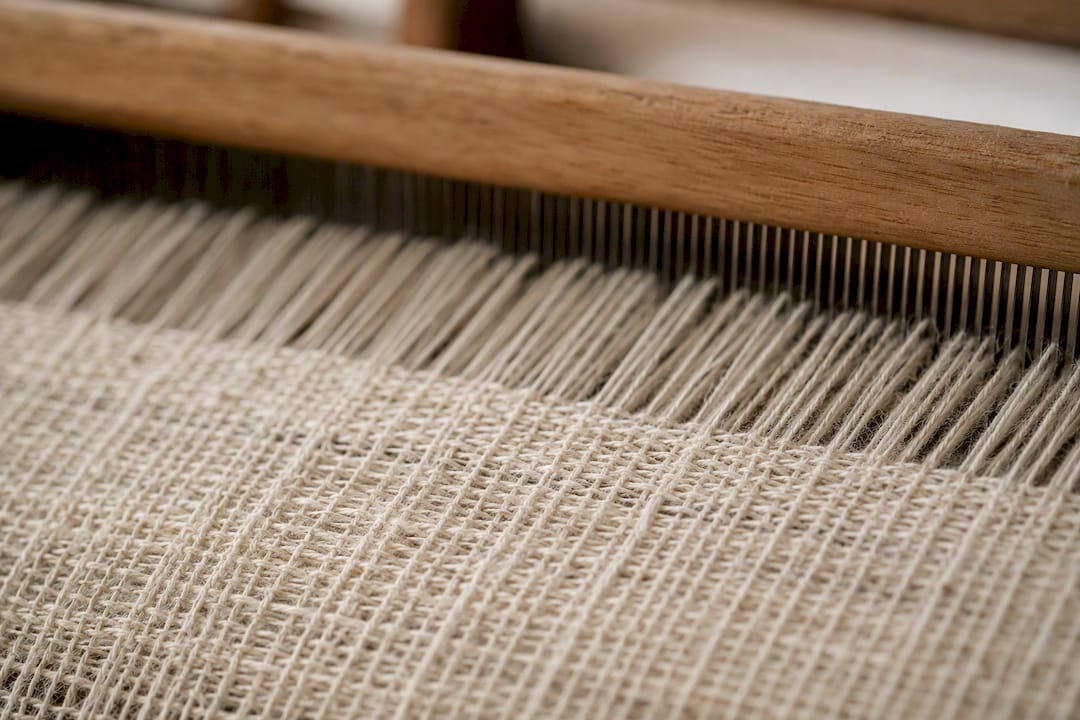
Weave changes the sensation entirely, even using identical yarn. Percale uses a simple, tight, one-over-one-under weave that produces a crisp, cool, matte finish, popular with hot sleepers. Sateen uses a weave where more threads float over the surface before dipping under, creating that silky, lustrous sheen associated with hotel-quality bedding. Both weaves benefit from long-staple fibre, they simply deliver different sleeping sensations.
This is also where thread count earns its reputation. Long and extra-long staple fibres allow manufacturers to spin genuinely fine, strong single-ply yarn, which is exactly what makes higher thread counts, from 400TC through to 800TC and 1000TC, feel luxuriously smooth and substantial rather than dense or stifling. The thread count picture only tells half the story without knowing the fibre and ply behind it.
Pro Tip: When a product description mentions “single-ply,” take it as a strong quality signal, since it usually means the brand is confident in the length and strength of the cotton fibre used.
What to check before buying long staple cotton sheets
A little label literacy goes a long way when you’re comparing sheets online, where you can’t yet feel the fabric for yourself.
- Look for a clear fibre claim — “100% long staple cotton” or a named variety (Egyptian, Pima, Supima) rather than a vague “cotton blend”
- Check for ply information — single-ply is generally the mark of finer, better-spun yarn
- Note the weave — percale for a crisp, cool feel; sateen for a silky, lustrous drape
- Read the thread count in context, not isolation — a high number paired with single-ply long-staple cotton signals genuine quality
- Ask the retailer directly if fibre length or origin isn’t listed, since a confident seller will always have this information ready
- Match the weave to your sleep style — cool percale for hot sleepers, indulgent sateen for anyone chasing that hotel-bed sensation
Treat any geographic label as one data point among several, not the whole answer. The construction details behind a sheet usually tell you more than the country name ever will.
Roomie Design’s approach to long staple cotton bedding
Roomie Design builds its premium ranges around genuine long and extra-long staple cotton, with Egyptian cotton lines as a particular focus. The fibre and finishing details behind each collection reflect a deliberate choice to pair quality raw material with construction that actually makes the most of it.
- Single-ply spinning wherever the fibre supports it, for that softer, more breathable hand feel
- High thread count ranges, from 400TC through to 1000TC, built on long-staple yarn rather than bulk alone
- Finishing processes chosen to bring out softness immediately, with further softening expected through normal washing
- A focus on construction transparency, so shoppers can see what’s actually behind each product, not just a country name
Every thread count and weave in the Roomie Design catalogue is treated as a premium option suited to different preferences, whether you gravitate toward crisp percale or silky sateen.
Why the fibre length obsession misses half the picture
Most bedding advice fixates on staple length as if it’s the only number that matters, and that’s a mistake. A retailer can genuinely stock extra-long staple cotton and still produce a mediocre sheet if the spinning is careless or the finishing is rushed. The reverse is also true: a well-spun single-ply yarn from solid long-staple cotton, woven with attention to weave and finish, will consistently outperform a poorly made sheet that happens to carry a prestigious geographic name.
Where conventional advice falls short is treating “Egyptian” or “Pima” as a finish line rather than a starting point. Those names tell you about the fibre’s potential, not about what happened to it afterwards. The manufacturing choices, ply, weave tightness, finishing, are what actually determine whether that potential becomes a sheet you love or one that disappoints after a month.
If you take one thing from this, prioritise construction details over origin labels. Staple length sets the ceiling; everything else decides how close a sheet gets to it.
Ready to feel the difference in long staple cotton?
Genuine long-staple cotton, spun and woven with care, is the difference between sheets that soften beautifully with age and ones that thin out within a season. Roomie Design’s Egyptian cotton ranges are built specifically around that principle, pairing long-staple fibre with single-ply spinning and finishing chosen to bring out softness fast and keep it there.
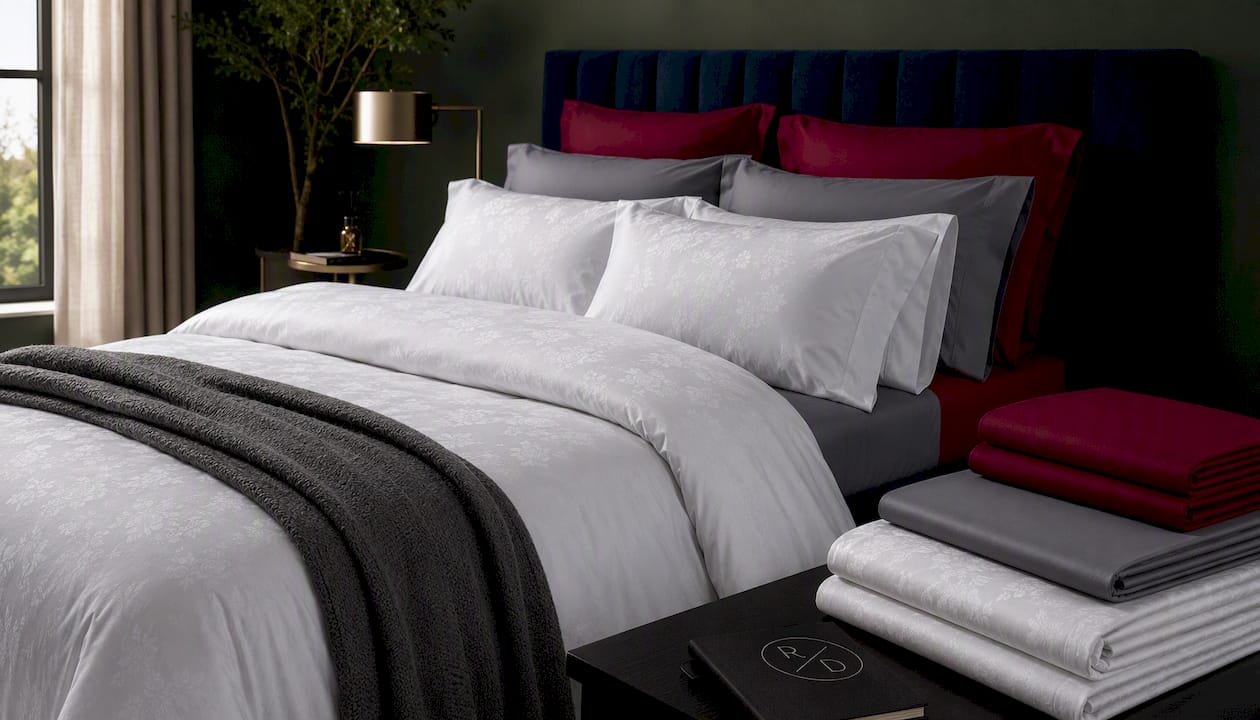
The Premium Egyptian Cotton Sheets + Pillowcases 4-Piece Set delivers that smooth, substantial feel night after night, while the same set in an alternate finish offers another way into the same premium range. For a complete bedroom refresh, the White Blossom 800TC Duvet Cover Set brings the same high thread count, long-staple quality to your duvet.
Browse the collections, check the fibre and weave details on each product page, and choose the combination that matches how you sleep.
Frequently asked questions about long staple cotton
What does “100% long staple cotton” mean on a label? It means every fibre used in the yarn measures within the long-staple range, roughly 1.13 to 1.38 inches (29 to 35 mm), rather than being blended with shorter, weaker fibres. This generally signals a smoother, more durable fabric than a mixed-staple blend.
What are the main types of long staple cotton? The two most recognised varieties are Egyptian cotton, grown in the Nile Delta, and Pima cotton, grown mainly in the United States, with Supima being the trademarked, traceable version of American Pima. Both come from the Gossypium barbadense species, which naturally produces longer fibres than the more common Gossypium hirsutum.
Is long staple cotton the same as percale? No. Long staple cotton describes the fibre itself, while percale describes the weave. You can find long-staple cotton woven into percale for a crisp, cool finish, or into sateen for a silkier, more lustrous feel. Fibre quality and weave choice are two separate decisions that work together in a finished sheet.
Does higher thread count always mean better quality? Thread count is one useful indicator among several, but it means the most when paired with long-staple fibre and single-ply construction. A 400TC sheet made this way can feel every bit as luxurious as a much higher count, and ranges from 400TC through to 1000TC each offer their own kind of premium comfort depending on how dense or airy you like your bedding to feel.
How can I tell if long staple cotton is genuine before buying? Look for explicit fibre-length claims or named varieties like Egyptian, Pima, or Supima, alongside details on ply and weave. A retailer confident in their sourcing will typically make these construction details easy to find rather than relying on a country name alone.


