

How bedding transforms bedroom design and comfort
TL;DR:
- Bedding is the most visually dominant textile in a bedroom and directly influences sleep comfort and ambiance. Thoughtful layering and material choices enhance both aesthetic appeal and restful sleep quality by balancing function and style. Upgrading core bedding layers, especially sheets and pillowcases, offers the most significant impact on bedroom atmosphere and sleep hygiene.
Bedding is rarely the first thing homeowners consider when refreshing a bedroom, yet it shapes more of the room’s character than any paint colour or furniture piece. It sits at the intersection of function and style, directly affecting how you sleep and how the space looks. The choices you make around materials, layers, and colour have a measurable impact on rest quality and room atmosphere. This guide covers the practical decisions that make the difference, from base layers to duvet selection and material performance.
Key Takeaways
| Point | Details |
|---|---|
| Bedding anchors design | Your mattress dressing sets both the tone and main focal point for the entire bedroom. |
| Layering boosts both comfort and style | An intentional approach to sheets, duvets and pillows marries relaxation with a designer finish. |
| Choose materials for real sleep benefits | Natural, breathable textiles optimise temperature and comfort more than decorative changes alone. |
| Minimal still feels inviting | Expert layouts keep styling simple, ensuring beds are beautiful yet easy to use. |
| Upgrading bedding is transformative | Quality core bedding changes not just appearance, but the atmosphere and sleep experience itself. |
Why bedding matters in bedroom design
Bedding is the single most visually dominant textile in a bedroom. A duvet cover alone can occupy several square metres of visible surface, making it an unavoidable focal point. Walls, floors, and furniture tend to remain fixed for years, but bedding can be swapped seasonally or whenever the mood shifts. That flexibility makes it a highly efficient design lever.
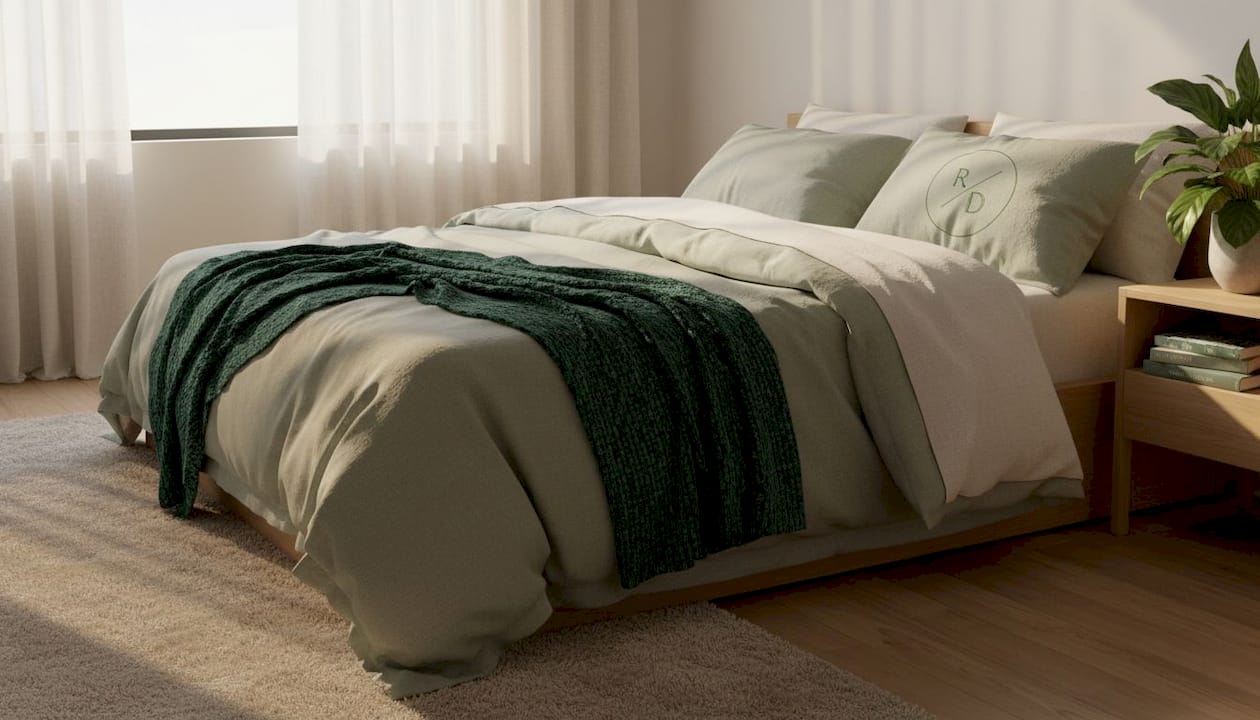
Beyond appearance, bedding shapes physical comfort in ways that directly affect sleep. Weight, texture, and breathability all influence how the body regulates temperature overnight, how restful sleep feels, and even how willing you are to get into bed in the first place. Bedding, as noted in bed styling guidance, functions as a primary “textile layering” lever because it controls both comfort and visual cohesion simultaneously.
The sleep and style transformation that follows a well-considered bedding upgrade is often more immediate than any decorative change. A new lamp or rug can alter a room’s feel, but upgraded bedding affects both how the room reads visually and how rested you feel in the morning. Good bedroom sleep hygiene starts with the environment itself, and bedding is a significant part of that equation.
Key functions bedding serves in the bedroom:
- Visual anchor: Establishes the room’s colour palette and texture range
- Comfort driver: Determines warmth, softness, and temperature balance
- Atmosphere setter: Contributes to whether a space feels calm, energetic, or luxurious
- Practical layer: Protects mattresses and pillows, reducing allergen build-up
“A well-made bed signals order and care. It sets the tone for the entire room, often more than any single decorative element.”
Good choosing bedding for comfort decisions start with recognising that these two goals, looks and feel, are not separate. They are achieved through the same set of choices.
Layering for both comfort and visual appeal
Layering is both a styling technique and a practical comfort strategy. Each layer adds texture visually and thermal depth physically. The key is building from the base up with intention.
Design guidance on layering frames the process as an intentional build from base textiles through to throws and pillows, using bedding as the visual anchor. Advice from interior stylists consistently emphasises sheets as the comfort foundation, with proportion and visual balance rules governing throws, duvets, and pillows so that the overall look stays styled without becoming impractical.
Here is a practical breakdown of each layer and its role:
| Layer | Function | Style role |
|---|---|---|
| Fitted sheet | Protects mattress, base comfort | Minimal, rarely seen |
| Flat sheet | Skin-contact comfort layer | Can be folded for contrast |
| Duvet / quilt | Primary warmth provider | Dominant visual element |
| Throw blanket | Additional warmth, seasonal | Texture and colour accent |
| Pillows (sleeping) | Support and comfort | Structural backdrop |
| Decorative cushions | No comfort function | Optional accent only |
Layering tips that work in practice:
- Start with a well-fitted base sheet. A sheet that bunches or slips disrupts both comfort and visual neatness.
- Choose a flat sheet that complements the duvet cover rather than matching it identically. Slight contrast adds depth.
- Fold the duvet back at one third to reveal the sheet beneath. This creates a layered, considered appearance without additional accessories.
- Add a single throw at the foot of the bed for texture variation without bulk.
Pro Tip: Limit decorative cushions to two or three. More than that requires removing them before use, which quickly becomes an annoyance and works against the practical luxury you are trying to create.
The full bedding layering guide covers seasonal variations and how to adjust your layers for summer and winter conditions. For further bedding design ideas beyond the basics, there are options for every aesthetic from minimal to maximalist.
Choosing bedding materials for better sleep
Material selection is where comfort and sleep quality converge. The fabric touching your skin all night has direct consequences for body temperature, moisture management, and overall rest. Research on bedroom temperature and sleep confirms that breathable, moisture-wicking bedding reduces heat build-up and supports more restful sleep, particularly for those who sleep warm.
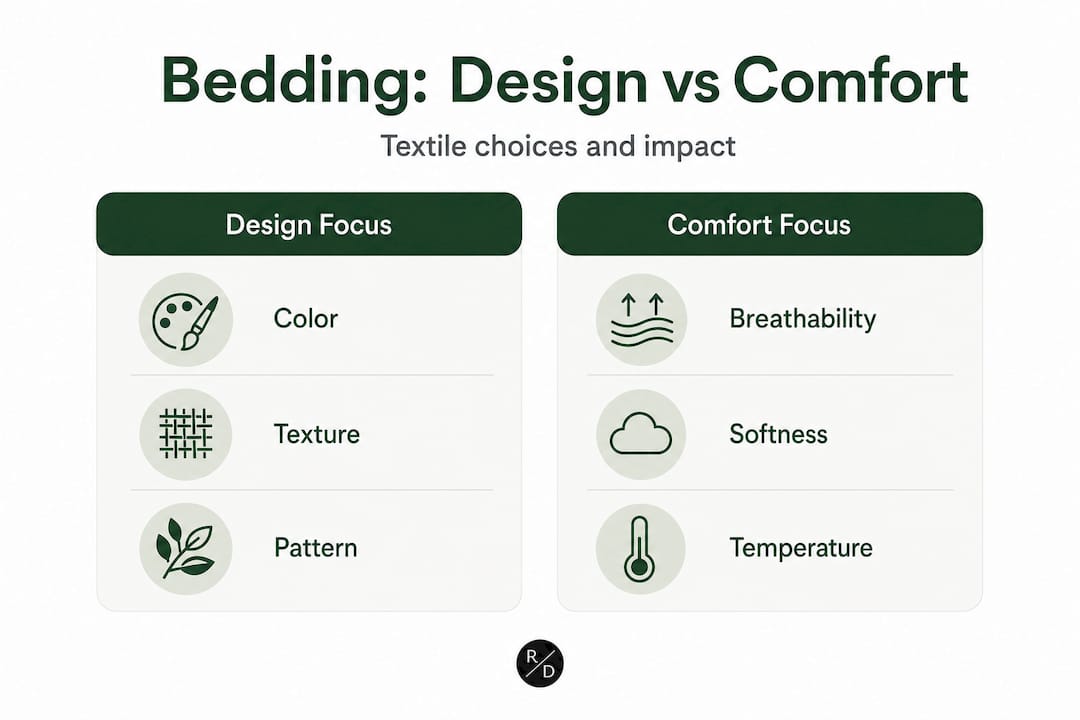
Here is how common bedding materials compare:
| Material | Breathability | Best for | Considerations |
|---|---|---|---|
| Cotton (percale) | High | Warm sleepers, year-round | Durable, easy to launder |
| Cotton (sateen) | Medium | Cooler sleepers | Softer finish, slight sheen |
| Linen | Very high | Hot climates, summer | Slightly textured, softens with use |
| Mulberry silk | High | Temperature-sensitive sleepers | Luxurious feel, requires careful care |
| Bamboo / lyocell | High | Moisture-prone sleepers | Very soft, eco-friendly option |
Practical steps for selecting bedding materials:
- Identify your sleep temperature. Hot sleepers benefit from percale cotton or linen. Those who tend to feel cold may prefer sateen or a higher thread-count cotton.
- Consider your climate. Humid environments call for moisture-wicking fabrics like bamboo or linen. Drier, cooler climates suit heavier cotton weaves.
- Assess the care requirement. Silk is beautiful but demands hand washing or dry cleaning. Cotton and bamboo offer durability and easy machine washing.
- Check thread count in context. A higher thread count in cotton typically indicates a softer hand feel, though fabric quality matters more than the number alone.
- Prioritise the sheet layer. The textile with the most direct contact with your skin has the greatest influence on comfort.
Pro Tip: Upgrading your sheets and pillowcases delivers a more noticeable comfort improvement than changing any other layer. The cotton bedding benefits for sleep quality are well established, and cotton remains the most versatile choice across seasons and sleep types.
How your bedroom’s ambient temperature is managed also plays a role. HVAC and sleep quality factors interact directly with bedding choices, so even the best breathable sheets perform better in a well-ventilated room.
Styling techniques: From intentional minimalism to bold centrepieces
Styling a bed is less about following trends and more about making deliberate choices that reflect how you want the room to feel. Two distinct approaches work well for most homeowners: intentional minimalism and the bold centrepiece.
Intentional minimalism relies on restraint. A single duvet cover in a clean, solid colour or a subtle pattern, paired with matching or contrasting pillowcases and no additional cushions, creates a calm, uncluttered look. This suits modern and Scandinavian-influenced interiors particularly well. Minimal does not mean under-dressed. It means considered.
The bold centrepiece approach uses the duvet as the room’s personality anchor. Expert guidance from Vogue notes that experts actively discourage over-complicated beds that require removing layers of pillows before use. A striking duvet in a rich colour or strong pattern, supported by simple plain-coloured pillowcases and one folded throw, creates visual impact without practical inconvenience.
Styling principles that apply to both approaches:
- Use proportion, not volume. A large, well-chosen duvet has more visual weight than three smaller accessories combined.
- Vary texture over pattern. A mix of a crisp cotton duvet with a woven throw reads as considered styling even in neutral tones.
- Allow some asymmetry. A slightly offset arrangement of cushions or a casually folded throw looks lived-in and genuine rather than staged.
- Treat colour as a tool. Cooler tones like grey, slate blue, and sage contribute to a calmer, more restful atmosphere. Warmer tones add energy.
“Minimal doesn’t mean boring. It means you’ve edited down to exactly what the space needs, and nothing more.”
The full range of luxurious bedding styling options spans everything from hotel-inspired precision to relaxed, farmhouse-style layering.
Our take: The real impact of bedding on bedroom feel
Most homeowners spend considerable time and money on decorative finishes, artwork, and furniture, while leaving their sheets unchanged for years. That is a common but costly oversight. The functional core of a bedroom is the bed itself, and the quality of the first layer touching the skin outperforms any visual change made above it for actual sleep quality.
What tends to happen in practice is straightforward. After investing in quality sheets and a correctly sized duvet, the improvement in bedroom feel is immediate and tangible. The room looks better and the sleep experience improves. Contrast that with the addition of new cushions or bedside accessories, which change the look but do not affect rest at all.
The psychological dimension matters too. A well-layered, neatly presented bed signals order and rest, which primes the mind for sleep. It is not a decorative bonus. It is functional value. Understanding what distinguishes designer bedding quality from standard options helps make sense of where investment is genuinely worthwhile. Premium materials at the base layer, sheets and pillowcases, return more value than spending the same amount on decorative extras.
Elevate your bedroom with premium bedding
Ready to put these principles to work? Roomie Design offers a curated range of high-quality bedding sets that combine premium materials with considered design. Whether you are drawn to understated luxury or bold statement pieces, the range covers both.

The Aristocrat Gold bedding set offers a strong centrepiece option for those building a bold, luxurious room scheme. For a refined, hotel-quality layered look, the Hotel Luxe duvet set delivers contrast border detailing in a four-piece set. Browse the full range of cotton designer bedding options to find materials that match both your comfort needs and design preferences. Upgrading your core bedding layers is the most direct route to a bedroom that looks and sleeps better.
Frequently asked questions
Which bedding layer affects sleep comfort the most?
The sheet and pillowcase layer that directly touches the skin has the biggest impact on temperature regulation and comfort, making material quality at this level the most worthwhile upgrade.
How can I make my bedding look stylish but not fussy?
Focus on intentional layering with a bold duvet and a small number of pillows. Expert guidance discourages overcomplicating beds with excessive decorative cushions that must be removed before use.
What bedding materials are best for hot sleepers?
Natural, breathable fabrics such as percale cotton or linen are the most suitable, as breathable bedding materials actively reduce heat build-up and wick moisture during sleep.
Does the colour of my bedding actually matter for bedroom design?
Yes. The duvet or comforter acts as a centrepiece, and its colour and texture anchor the room’s personality and set the visual tone for the entire space.
How many layers should my bed have for both comfort and style?
A practical, well-styled bed typically includes a fitted sheet, a flat sheet, a duvet or blanket, and a considered arrangement of two or three pillows, with an optional throw for texture.


