

Ways to extend bedding lifespan: practical tips for homeowners
TL;DR:
- Proper bedding care involves gentle washing, careful drying, and breathable storage to prolong fabric life. Following appropriate routines for each fabric type, such as linen or high-thread-count cotton, ensures lasting softness and durability. Regular rotation and correct handling help maintain bedding quality over the years.
Ways to extend bedding lifespan refers to a set of practical maintenance habits, including correct washing frequencies, careful drying, and suitable storage, that preserve fabric quality and comfort over time. Good bedding is a genuine investment. Sheets, duvet covers, and pillowcases made from premium materials such as linen, cotton, and bamboo reward careful handling with years of softness and durability. Expert washing protocols recommend cleaning sheets and pillowcases every 1–2 weeks, a standard that protects both hygiene and fibre integrity. Linen, in particular, softens naturally with gentle laundering and suffers most from aggressive washing or high heat. The habits covered here apply to any fabric and any budget.
1. Ways to extend bedding lifespan start with the right washing routine
Washing frequency is the single biggest factor in how long bedding lasts. Wash sheets and pillowcases every 1–2 weeks, duvet covers every 2–4 weeks, pillows every 3–6 months, and duvets every 6–12 months. Heavy sweaters or households with pets should increase sheet washing to every 3–4 days. Sticking to this schedule prevents biological buildup that degrades fibres over time.
Water temperature matters as much as frequency. Warm water removes dirt and body oils effectively without stressing most fabrics. Cold water is the better choice for delicate items such as silk or fine linen. Avoid hot cycles unless the care label specifically permits them, as sustained heat weakens fibre structure and causes premature pilling.
Detergent choice directly affects how long your bedding stays soft and vibrant. Mild detergents without bleach maintain fabric colour and texture far longer than harsh alternatives. Fabric softeners feel appealing but actually coat fibres with a residue that reduces breathability over time. Skip them entirely for cotton, linen, and bamboo.
Machine loading is an overlooked detail. Overloading the washing machine reduces cleaning effectiveness and physically stresses fabric fibres as items rub against each other under pressure. Wash one duvet cover set at a time and use a gentle or delicate cycle for finer materials.
Key washing habits to build:
- Wash sheets and pillowcases every 1–2 weeks as a baseline
- Use warm water for most fabrics; cold for delicate or silk items
- Choose a mild, fragrance-free detergent without bleach
- Select a gentle cycle and avoid overloading the drum
- Never mix bedding with heavy items such as towels or jeans
Pro Tip: Remove bedding from the washing machine as soon as the cycle ends. Leaving damp fabric sitting in the drum causes creasing that is difficult to remove and creates conditions for mildew to develop.
2. Drying techniques that protect fabric quality
Drying is where most fabric damage actually happens. Heat is the primary culprit, causing fibres to contract, roughen, and lose their natural softness. Choosing the right drying method for each material extends bedding life considerably.
- Line dry when possible. Line drying or rack drying is the gentlest option for all natural fibres. It prevents heat damage, reduces shrinkage risk, and allows fabrics to breathe fully as they dry. Linen especially benefits from air drying, which preserves its characteristic texture.
- Use low heat in the tumble dryer. When a dryer is necessary, low heat with dryer balls reduces drying time, prevents clumping in duvets and pillows, and maintains loft without the fibre stress that high heat causes.
- Add dryer balls to every load. Wool or rubber dryer balls separate fabric layers as they tumble, allowing hot air to circulate more evenly. This shortens drying time and keeps duvets and pillows fluffy rather than flat and matted.
- Remove items promptly. Leaving bedding in a hot dryer after the cycle ends causes fibres to stiffen and set in creases. Remove items while they are still slightly warm and shake them out before folding or putting them back on the bed.
- Avoid direct sunlight for extended periods. Short bursts of sunlight are fine and naturally freshen fabric. Prolonged direct exposure fades colour and weakens fibre bonds, particularly in dyed cotton and linen.
Pro Tip: For linen duvet covers, remove from the dryer when still slightly damp and allow to finish air drying flat or on a rack. This preserves the natural texture and prevents over-drying, which makes linen feel stiff.
3. Storage and handling that prevent unnecessary wear
How you store bedding between uses has a direct impact on fabric condition. Poor storage causes moisture buildup, mildew, and fibre stress that shortens lifespan even when washing and drying are done correctly.
Store bedding in breathable cotton bags or in a cupboard with good airflow rather than sealed plastic bags or vacuum storage. Plastic traps moisture and prevents air circulation, creating conditions where mildew and musty odours develop. Breathable storage keeps fabric fresh between uses.
Rotation is a simple habit with a significant payoff. Rotating bedding sets regularly distributes wear evenly across your collection, so no single set deteriorates faster than the others. Owning two or three sets per bed and cycling through them is the most practical approach to prolonging each set’s life.
Practical storage habits to adopt:
- Use breathable cotton or linen storage bags rather than plastic
- Keep bedding in a cool, dry cupboard away from direct heat sources
- Rotate between at least two sets per bed to spread wear evenly
- Fold neatly to reduce unnecessary pressure on seams and hems
- Allow bedding to cool and air fully before folding and storing
Linen deserves a specific note on handling. Natural creases in linen fabric are not a sign of poor quality. They reflect the material’s character and actually reduce the need for ironing, which itself causes fibre stress. Accepting linen’s texture as it is, rather than pressing it repeatedly, extends its life and preserves its natural softness. For practical guidance on keeping your linen cupboard tidy, the Roomie Design guide on organising bedding sets offers clear, room-by-room advice.
4. Fabric-specific care for premium materials
Different fabrics have different tolerances, and treating them all the same is one of the most common maintenance mistakes. Premium materials reward targeted care with noticeably longer lifespans.
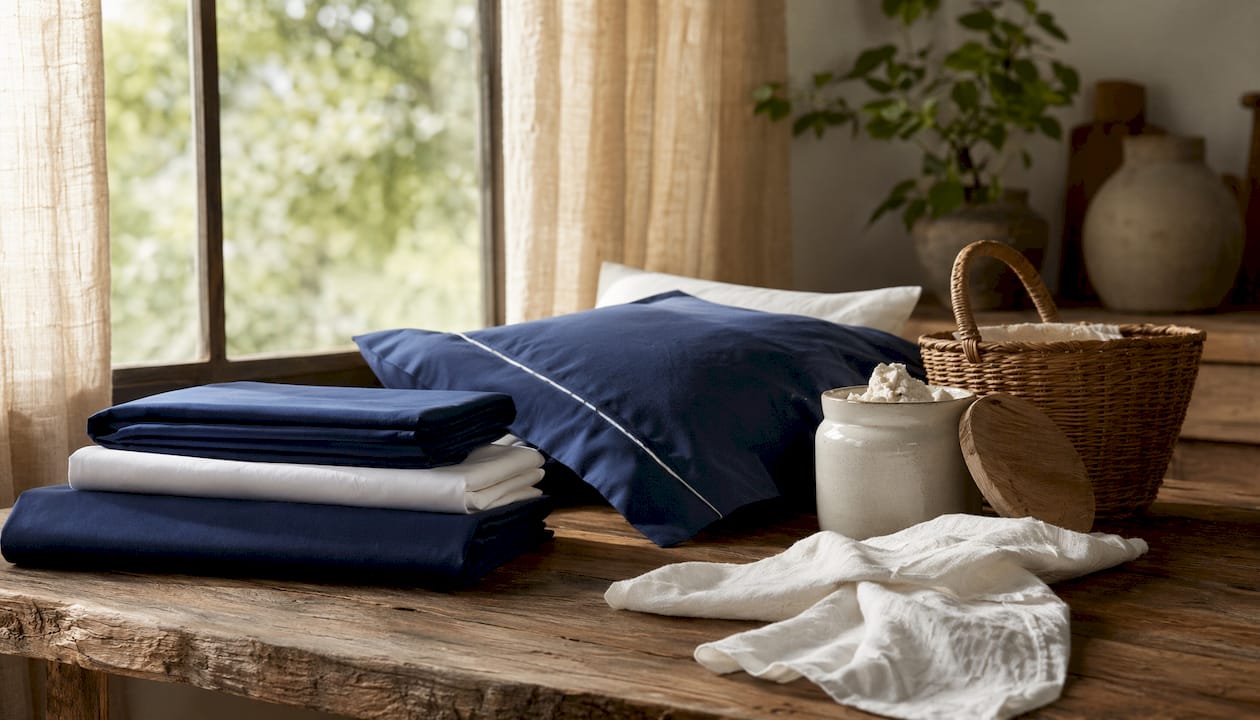
Linen is the fabric that benefits most from a restrained approach. Experts describe the principle as ‘restraint is better than effort’ for natural textiles. Frequent, gentle laundering and breathable storage are all linen needs to develop its characteristic softness over time. Chemical fabric conditioners are unnecessary and actually reduce linen’s natural moisture-wicking properties.
High thread count cotton responds well to consistent, careful maintenance. Avoiding fabric softeners preserves the breathability and softness that make high thread count cotton feel luxurious wash after wash. Gentle cycles, mild detergent, and low-heat drying maintain the density and smoothness of the weave. For a detailed look at what thread count means for care and comfort, the Roomie Design guide on high thread count bedlinen is worth reading before you adjust your laundering routine.
| Fabric | Wash temperature | Drying method | Avoid |
|---|---|---|---|
| Linen | Cool to warm | Air dry or low tumble | High heat, fabric softener |
| Cotton (high TC) | Warm | Low tumble or air dry | Bleach, overloading drum |
| Bamboo | Cool | Air dry preferred | High heat, harsh detergents |
| Mulberry silk | Cool, delicate cycle | Air dry flat | Tumble dryer, direct sunlight |
Bamboo and lyocell are sensitive to heat and harsh chemicals. Cool washes and air drying preserve their silky texture and structural integrity. Both fabrics are naturally moisture-wicking, and that property diminishes quickly with repeated high-heat cycles.
Mulberry silk requires the most careful handling. A cool, delicate machine cycle or a gentle hand wash, followed by air drying flat away from direct sunlight, keeps silk in excellent condition. Tumble drying silk, even on low heat, risks permanent damage to the fibre.
5. Keeping your duvet fresh between washes
A duvet does not need washing every week, but it does need regular attention to stay fresh and maintain its loft. Airing your duvet is the most effective low-effort habit you can build. Shake it out each morning and leave it folded back for 20–30 minutes before making the bed. This releases trapped moisture and body heat, reducing the conditions that lead to odour and fibre compression.
A high-quality duvet cover acts as the primary barrier between your duvet and daily wear. Washing the cover on the recommended schedule, every 2–4 weeks, means the duvet itself stays cleaner for longer and requires less frequent full washes. This directly reduces the cumulative heat and mechanical stress the duvet experiences over its lifetime.
When a full duvet wash is needed, follow the care label precisely. Most duvets tolerate a warm, gentle machine cycle with a mild detergent. Dry thoroughly on low heat with dryer balls to restore loft and prevent clumping. A duvet that is stored or used while still damp develops mildew quickly, which is difficult to remove without aggressive washing that damages the fill.
Roomie Design’s perspective on bedding care
The most common mistake is treating bedding care as an afterthought. Homeowners spend time choosing the right fabric and thread count, then wash everything on the same hot cycle with whatever detergent is to hand. The fabric pays the price within months.
What I have observed consistently is that restraint produces better results than effort. Linen that is washed gently and stored in a breathable bag softens beautifully over years. Cotton at 1,000 thread count that is treated with a mild detergent and a low-heat dry retains its smoothness far longer than the same fabric washed carelessly. The discipline is not complicated. It is simply a matter of matching the care method to the material.
The other shift worth making is accepting natural fabric characteristics rather than fighting them. Linen creases. That is not a flaw. Ironing it repeatedly to achieve a pressed finish adds unnecessary heat stress to every fibre. The same logic applies to avoiding fabric softeners on bamboo or silk. These materials do not need chemical assistance to feel good. They need the right wash, the right dry, and the right storage.
Bedding longevity is not about spending more time on laundry. It is about spending that time correctly.
— Roomie Design
Roomie Design bedding built for long-term care
Proper care routines work best when the bedding itself is made to last. Roomie Design’s One-Line collection is crafted from 1,000 thread count cotton, a fabric that rewards the gentle maintenance habits covered in this article with lasting softness and a refined finish.

The Blue/White Duvet Cover Set and the Sage Green Duvet Cover Set are both designed for straightforward home care, responding well to cool-to-warm washes, mild detergent, and low-heat drying. For a warmer neutral, the Camel Beige Duvet Cover Set offers the same durable construction in a versatile tone. Each set is built to age well when handled correctly.
FAQ
How often should I wash my sheets?
Wash sheets and pillowcases every 1–2 weeks under normal conditions. Increase to every 3–4 days if you sweat heavily or share the bed with pets.
Can I use fabric softener on my bedding?
Fabric softener is not recommended for most bedding fabrics. It coats fibres with a residue that reduces breathability and diminishes the natural softness of cotton, linen, and bamboo over time.
What is the best way to dry linen bedding?
Line drying or rack drying is the best method for linen. If using a tumble dryer, select the lowest heat setting and remove the linen while still slightly damp to prevent stiffness.
How should I store bedding when it is not in use?
Store bedding in breathable cotton bags or an airy cupboard. Sealed plastic storage traps moisture and promotes mildew, which damages fabric and creates persistent odours.
Does rotating bedding sets really make a difference?
Rotating between two or more sets distributes wear evenly and reduces how often each set is washed. Regular rotation is one of the most straightforward bedding longevity tips available, with no additional cost or effort beyond owning a spare set.


