What distinguishes designer bedding: quality vs standard sets
Most people assume that a high price tag or an impressive thread count number is all it takes to identify genuine designer bedding. That assumption leads to costly mistakes. The real markers of quality go well beyond the label, covering the fibre source, construction precision, ethical credentials, and how the bedding actually performs over years of use. Whether you are refreshing a master bedroom or building a considered sleep environment, understanding these distinctions helps you invest wisely. This article breaks down each factor clearly, so you can spot the difference between genuine luxury and clever marketing.
Table of Contents
Key Takeaways
| Point | Details |
|---|---|
| Material quality matters | Long-staple natural fibres provide lasting softness and breathability. |
| Craftsmanship stands out | Durable stitching and thoughtful finishes ensure luxury bedding looks and feels premium for years. |
| Thread count is not everything | Optimal comfort and durability come from quality single-ply, mid-range thread counts. |
| Thermoregulation is key | High-end natural textiles regulate body temperature, ensuring a cool, restorative sleep environment year-round. |
| Layering enhances experience | Multiple textures and layers deliver greater comfort and hotel-style style at home. |
Materials: The foundation of luxury bedding
The single biggest factor separating designer bedding from standard sets is the raw material. Not all cotton, linen, or silk is equal. The specific variety, staple length, and processing method determine how a fabric feels on day one and how it holds up after dozens of washes.
Long-staple and extra-long-staple cottons, such as Egyptian, Supima, and Giza, produce finer, stronger threads than short-staple alternatives. Short-staple fibres are more prone to pilling, roughness, and fading. The difference is noticeable within a few months of regular use. Premium materials such as long-staple cotton, linen, silk, and bamboo offer superior softness, breathability, durability, and temperature regulation.
Key premium fibres to look for:
-
Egyptian cotton: Extra-long staple, exceptionally smooth, ideal for high thread count weaves. Available in options like Prestige Egyptian Cotton Collection
-
Supima cotton: American-grown, extra-long staple, known for colour retention and strength.
-
Linen: Breathable, moisture-wicking, and naturally hypoallergenic. Gets softer with every wash.
-
Mulberry silk: Naturally temperature-regulating and gentle on skin.
-
Bamboo: Highly breathable, antibacterial, and sustainably sourced.
Synthetics and low-cost polyester blends may feel soft initially, but they trap heat, pill quickly, and lose shape after repeated washing. According to a save-or-splurge bedding guide, natural fibre sheets consistently outperform synthetic alternatives in long-term comfort and durability testing.
Pro Tip: Check the label for fibre origin and staple length, not just the fabric type. “100% cotton” can mean very different things depending on the variety. Look for Egyptian cotton pillowcases that specify the cotton source clearly.
Craftsmanship: Precision details and construction
Once the right material is selected, how it is cut, stitched, and finished determines the final quality. Mass-produced bedding is assembled quickly, with minimal attention to seam strength or edge finishing. Designer bedding is built to a different standard.
Designer bedding features durable stitching, reinforced seams, hand-finished edges, and precise weaves, unlike mass-produced standards. These details extend the lifespan of the product and maintain its appearance wash after wash.
Construction details that matter:
-
Double-stitched seams: Prevent fraying and splitting under tension.
-
Reinforced corners: Critical for duvet covers and fitted sheets that take repeated strain.
-
Hand-finished edges: Deliver a cleaner, more refined finish.
-
Piping and border contrasts: Aesthetic details found in sets like the Hotel Luxe designer set.
-
Embroidery and jacquard weaves: Structural patterns woven into the fabric itself, as seen in Jacquard cotton bedding.
Weave type also plays a significant role. Percale weaves produce a crisp, cool feel with a matte finish, ideal for warm sleepers. Sateen weaves create a silkier, slightly heavier drape with a subtle sheen, preferred for a more opulent look. Neither is universally superior. The right choice depends on your sleep preferences and bedroom aesthetic.
“The difference between designer and standard bedding often comes down to the details you cannot see at first glance: the seam reinforcement, the edge finishing, and the consistency of the weave.” — Luxury bedding buying guide
Sets like the Laroux Duvet Set demonstrate how these construction standards translate into a product that looks and feels premium from the first use.
Thread count decoded: Quality vs. marketing
Thread count is the number of threads woven per square inch of fabric. It sounds straightforward, but the way it is marketed has made it one of the most misunderstood numbers in bedding retail.
-
The 400–800 Range: Crisp & Breathable Lower thread counts using high-quality, single-ply yarns are the hallmark of boutique hotel bedding. These fabrics are lighter and offer maximum airflow, making them the gold standard for “hot sleepers” or those who prefer a crisp, matte percale feel.
-
The 1000–1500+ Range: Opulent & Substantial True luxury in the 1500+ thread count range is achieved by using ultra-fine, high-gauge yarns. This creates a fabric with a “heavy-silk” drape and a rich, substantial feel against the skin. These linens are exceptionally smooth and offer a more cocoon-like warmth, perfect for those who desire the most indulgent, decadent bed possible.
| Feature | Standard bedding | Designer bedding |
|---|---|---|
| Thread count range | 200–400 (often multi-ply) | 500–1500 (single-ply) |
| Yarn quality | Short-staple, blended | Long-staple, pure fibre |
| Breathability | Moderate to low | High |
| Durability | 1–3 years typical | 5–10+ years |
| Feel over time | Rough, pills | Softer with each wash |
The reason some high-thread-count sheets feel heavy and stiff is that manufacturers often use “multi-ply” yarns—twisting lower-grade threads together to inflate the count. True luxury bedding, however, uses ultra-fine single-ply yarns even at high counts. This allows for a dense, buttery-smooth texture without sacrificing the natural breathability of the cotton.
Pro Tip: If you are looking for that specific “heavy-luxe” feel, look for sets that specify their material quality. For example, this Luxurious 1200 Thread Count Egyptian Cotton Duvet Set achieves its high density using premium long-staple fibres. This ensures the fabric feels incredibly soft and “drapes” beautifully over the bed, offering that signature weight that define the world’s finest five-star suites.
For a practical overview of how to layer a bed professionally, thread count selection is just one part of a broader approach to achieving a considered, hotel-quality result.
Comfort, style and the full sensory experience
All the technical details ultimately serve one purpose: how your bed feels and looks every night. Designer bedding addresses both dimensions with equal attention.
Designer bedding enhances comfort via temperature regulation, layers of texture, and hypoallergenic properties. Natural fibres like linen and bamboo wick moisture away from the body, keeping hot sleepers comfortable. Silk and high-quality cotton retain warmth gently, suiting those who sleep cold.
Hypoallergenic features matter for anyone with sensitive skin or dust mite allergies. Tightly woven natural fibres create a barrier against common allergens without the need for chemical treatments.
How to layer for both comfort and style:
-
Start with a fitted sheet in a breathable natural fibre (cotton or linen).
-
Add a flat sheet for an extra layer of temperature control.
-
Choose a duvet cover that matches your aesthetic, such as the hotel-inspired layered bedding range.
-
Layer a lightweight throw or blanket at the foot of the bed for visual depth.
-
Finish with coordinated pillowcases and cushions in complementary textures.
Pro Tip: Swapping pillowcases and throws seasonally is one of the most cost-effective ways to refresh the look of your bedroom without replacing the full set. A single well-chosen accessory can shift the entire colour palette and feel of the space.
For practical guidance, bedding testers’ insights confirm that layering with quality individual pieces consistently outperforms buying a single, all-in-one budget set.
What most people miss about choosing designer bedding
Most buyers focus on thread count and visual appeal when choosing bedding. Both matter, but neither tells the full story. The more important question is: how will this set perform after 200 washes?
The real value of designer bedding is not the initial feel. It is the trajectory. Standard bedding degrades. Designer bedding, made from long-staple natural fibres and built with precision, tends to improve. The fibres soften, the colours hold, and the construction remains intact. That is a fundamentally different product category, not just a price bracket.
Finally, comfort experienced nightly matters more than any label or trend. A set like the Quintessence designer bedding earns its place not because of its name, but because the materials and construction deliver a consistently better sleep experience over time. That is the standard worth applying.
Transform your bedroom with designer bedding from Roomie Design
Roomie Design offers a curated range of bedding sets built around the standards covered in this article: premium natural fibres, precise construction, and designs that work across a range of bedroom styles.
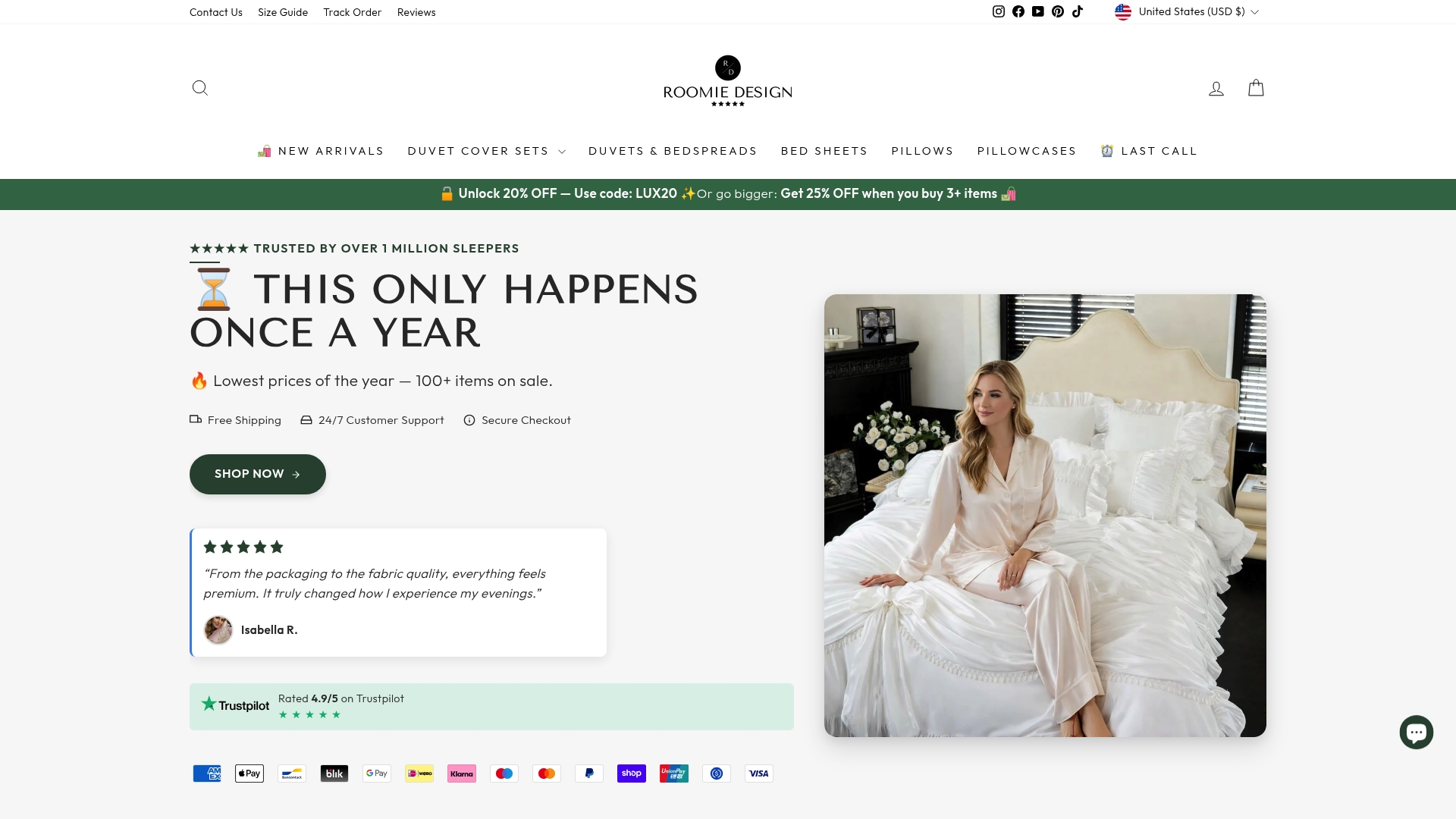
Browse the Quintessence duvet cover set for a refined, understated option, or explore the Laroux Jacquard set for a more textured, statement finish. Each product is selected for material quality, construction detail, and long-term value. View all designer bedding collections to find the right fit for your bedroom.
Frequently asked questions
What materials are best for luxury designer bedding?
Long-staple cotton varieties such as Egyptian and Supima, alongside linen, silk, and bamboo, offer the best combination of softness, durability, and breathability for designer bedding.
Does thread count really matter in designer bedding?
Thread count determines the weight and “hand-feel” of your linens. While counts between 400 and 800 offer a crisp, airy feel, higher counts like 1200 to 1500+ provide a more substantial, silk-like opulence and a decadent drape.
How long does designer bedding last compared to standard bedding?
Designer bedding typically lasts 5 to 10 years or longer, maintaining softness and colour, while standard bedding often pills and fades within one to two years.
How can designer bedding improve my sleep comfort?
Premium natural fibres regulate temperature and reduce allergens, creating a more consistent and restful sleep environment compared to synthetic or low-grade alternatives.
Recommended
-
Hotel Classic Duvet Cover Set (500 TC) Luxury Designer Bedding Set – Roomie Design
-
Quintessence Luxury Duvet Cover Set Luxury Designer Bedding Set – Roomie Design
-
Hotel Luxe Contrast Border 4-Piece Luxury Designer Duvet Cover Set – Roomie Design
-
Artisan Egyptian Cotton 1200 TC Luxury Designer Bedding Set – Roomie Design


