

Why prioritise cotton sheets for better sleep quality
TL;DR:
- Cotton sheets are the top choice for better sleep because their natural fibers provide breathability and moisture management.
- They support the body’s temperature regulation during sleep and reduce skin irritation, improving sleep quality.
Cotton sheets are the leading choice for better sleep because their natural fibres deliver breathability, moisture management, and lasting comfort that synthetic alternatives cannot match. 83% of consumers believe quality bedding enhances sleep quality, and 79% recognise 100% cotton as the material most important to that quality. Understanding why prioritise cotton sheets goes beyond personal preference. It comes down to how your body regulates temperature during sleep and how your bedding either supports or disrupts that process.
Why prioritise cotton sheets for deep, restorative sleep?
Cotton sheets work by supporting your body’s natural cooling process during sleep. As your core temperature drops in the early stages of deep sleep, your bedding must allow heat and moisture to escape. Cotton’s porous fibre structure enables effective airflow and moisture management, which is precisely what that process requires.
A 2024 systematic review confirmed that bedding material directly influences sleep quality by regulating skin and body temperature. Switching from synthetics to cotton reduces night sweating and skin irritation, particularly for those with sensitive skin or eczema. That finding carries real weight because it links fabric choice to measurable sleep outcomes, not just comfort preference.
Sleep medicine physicians consistently recommend cotton alongside dietary and environmental sleep hygiene factors. Thermal comfort supports melatonin production and uninterrupted sleep cycle progression. Cotton delivers that thermal comfort passively, without any special treatment or technology.
The advantages of cotton sheets over synthetic fabrics come down to one structural fact. Synthetic fibres trap heat and moisture, creating heat pockets that worsen skin conditions and fragment sleep. Cotton’s natural fibre structure prevents that entirely.
Key benefits of cotton bedding at a glance:
- Breathability: Natural pores allow continuous airflow throughout the night.
- Moisture-wicking: Cotton absorbs and releases moisture rather than trapping it.
- Temperature regulation: Supports the core temperature drop needed for deep sleep.
- Skin comfort: Dermatologists recommend cotton as the safest choice for sensitive skin.
- Hypoallergenic properties: Less likely to irritate skin compared to synthetic blends.
“Cotton’s balance of softness, breathability, and thermal regulation makes it the preferred choice amongst sleep medicine physicians alongside dietary and environmental sleep hygiene factors.” — Real Simple, sleep medicine review
What are the key features that define high-quality cotton sheets?
Thread count is the most misunderstood metric in bedding. Industry experts confirm that staple length and yarn quality matter far more than an inflated thread count number. A sheet marketed at 1,000 TC using multi-ply yarns can feel very different from one using single-ply long-staple cotton at the same count. The yarn itself determines the feel and durability.
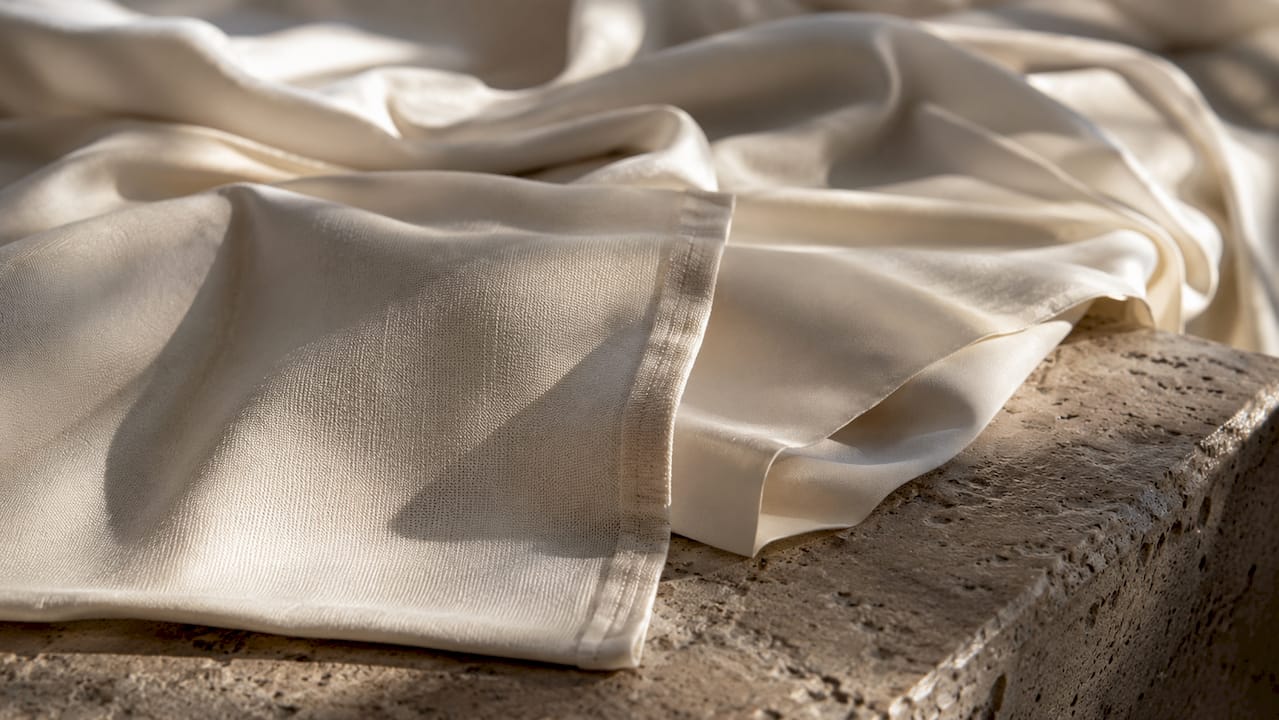
Long-staple cotton varieties, including Egyptian cotton and Pima cotton (also known as Supima), produce finer, stronger yarns. Those yarns resist pilling and fraying far better than short-staple alternatives. The result is a sheet that softens with every wash rather than deteriorating.
Weave type shapes the tactile experience. Percale weave produces a crisp, cool feel with a matte finish, well suited to those who sleep warm. Sateen weave creates a silky, smooth surface with a subtle sheen, offering a more luxurious drape. Both weaves perform well in cotton; the choice comes down to personal preference for texture and finish.
| Feature | What to look for |
|---|---|
| Staple length | Long-staple (Egyptian, Pima) for softness and durability |
| Thread count | 200–400 TC for everyday comfort; higher counts with quality long-staple yarns for luxury feel |
| Weave | Percale for crisp and cool; sateen for smooth and lustrous |
| Yarn quality | Single-ply long-staple yarns outperform multi-ply short-staple |
| Fibre purity | 100% cotton for full breathability benefits |
Pro Tip: Avoid fabric softeners entirely when laundering cotton sheets. They coat fibres with waxy residue that blocks moisture-wicking and reduces breathability over time. A gentle, cotton-compatible detergent preserves performance wash after wash.
For a fuller picture of choosing quality bedding, the weave and staple length combination is the most reliable starting point.
How do cotton sheets compare in value, durability, and style?
Premium cotton sheet sets represent a long-term investment. Quality cotton sheets typically last 5–10 years depending on staple length and care routine. That lifespan makes the upfront cost far more reasonable when calculated per night of use.
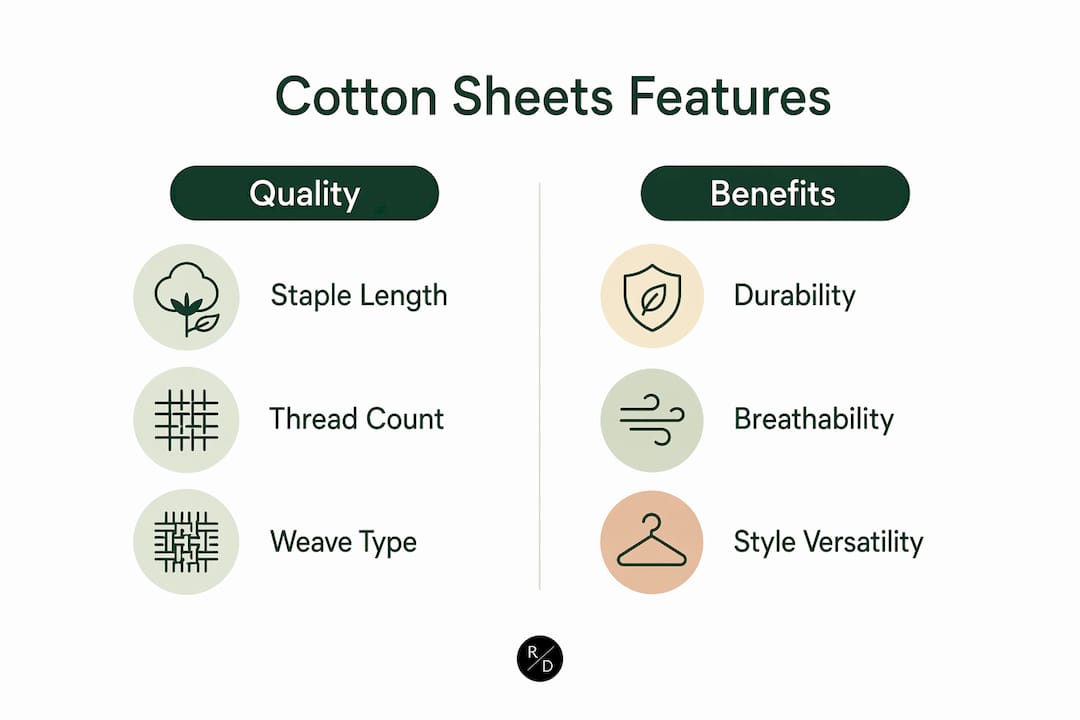
Long-staple cotton’s resistance to pilling and fraying is the primary reason for that durability. Short-staple cotton breaks down faster at the fibre level, producing the bobbling and thinning that signals a sheet nearing the end of its life. Choosing Egyptian or Pima cotton from the outset avoids that cycle entirely.
Cotton also improves with age in a way that synthetic fabrics do not. Each wash softens the fibres gradually, so a well-made cotton sheet feels noticeably better after six months of use than it did on the first night. That natural ageing process is a genuine advantage, not a consolation.
Styling versatility adds further value. Cotton accepts dye evenly, which means it is available in a full spectrum of colours, from plain dye neutrals to intricate printed designs. Higher thread count cotton sets carry a visual richness that reads as luxury in any bedroom setting. The importance of cotton sheets extends beyond sleep science into the aesthetic quality of the bedroom itself.
| Consideration | Cotton sheets |
|---|---|
| Typical lifespan | 5–10 years with proper care |
| Pilling resistance | High in long-staple varieties |
| Ageing quality | Softens and improves with washing |
| Style range | Extensive: plain dye, floral, luxury weaves |
| Maintenance | Machine washable; avoid fabric softeners |
What practical care tips keep cotton sheets performing at their best?
Cotton sheets maintain their benefits longest when laundered correctly and consistently. Weekly washing is the recommended frequency to prevent bacterial build-up and moisture retention, both of which degrade fibre quality and hygiene over time.
Follow these steps for best results:
- Wash in cool or warm water. High temperatures weaken cotton fibres and cause shrinkage over repeated cycles.
- Use a gentle, cotton-compatible detergent. Harsh chemicals strip natural fibre properties and reduce softness.
- Skip fabric softeners entirely. Fabric softeners coat fibres with waxy substances that block moisture management and reduce breathability.
- Line dry where possible. Air drying preserves fibre integrity and reduces energy use. Tumble dry on a low heat setting if needed.
- Air sheets before storing. Folding damp or insufficiently aired sheets causes moisture retention, which leads to bacterial growth and odour.
Proper airing and washing also preserves cotton’s passive cooling effect, which is the property most responsible for reducing night awakenings. Neglecting care routines is the fastest way to lose the sleep benefits that made cotton worth choosing in the first place.
Pro Tip: Store cotton sheets loosely folded in a cool, dry place rather than compressed in a tight cupboard. Compression over time stresses fibres at the fold lines and shortens the sheet’s usable life.
Cotton sheets and sleep: a perspective worth considering
I have spent considerable time reviewing the evidence on bedding and sleep quality, and the consistency of the findings on cotton is striking. Sleep medicine physicians, dermatologists, and consumer researchers arrive at the same conclusion through entirely different routes. That convergence is not marketing. It reflects a material that genuinely performs.
What gets overlooked most often is the psychological dimension. Sliding into cool, smooth, well-laundered cotton sheets signals to the body that rest is coming. That sensory cue is part of sleep hygiene in the same way that a dark room or a consistent bedtime is. Bedding is not a passive backdrop to sleep. It is an active participant.
The one thing I would push back on is the tendency to treat thread count as the only quality signal worth discussing. Staple length and weave structure determine far more about how a sheet feels and lasts. A 400 TC Egyptian cotton percale sheet will outperform a 1,000 TC short-staple sheet in breathability and longevity. Understanding that distinction is what separates a confident bedding choice from an expensive mistake.
Cotton bedding is also one of the few sleep investments that compounds. The sheet gets better, the sleep gets more consistent, and the bedroom looks more considered. That combination of function and style is difficult to replicate with any other material.
— Roomie
Premium cotton bedding collections at Roomie-design
Roomie-design offers a curated range of 100% cotton bedding sets designed for those who want both sleep performance and bedroom style in one product.

The Terracotta Super Hero 1000 TC Duvet Cover Set features Egyptian cotton at a luxury thread count, delivering the softness and durability that long-staple fibres are known for. For a softer, versatile everyday option, the PureComfort™ Luxury Bedding Set combines breathable cotton construction with a refined finish suited to any bedroom aesthetic. Both sets are available in multiple sizes and colourways, with full care guidance included. Quality cotton bedding at this level is a straightforward upgrade to both sleep and style.
FAQ
Why do sleep experts recommend cotton sheets?
Sleep medicine physicians recommend cotton because its breathability and moisture-wicking properties support the core temperature drop required for deep, restorative sleep. No synthetic fabric replicates that combination of thermal regulation and skin comfort.
Are cotton sheets worth the higher upfront cost?
Cotton sheets typically last 5–10 years, making the cost per night of use lower than cheaper alternatives that degrade quickly. Long-staple varieties resist pilling and soften with washing, adding value over time.
What thread count is best for cotton sheets?
A thread count of 200–400 delivers excellent comfort and durability for everyday use. Higher thread counts made from quality long-staple yarns offer a luxurious, silky feel and are equally valid for those seeking a premium sleep experience.
How often should cotton sheets be washed?
Weekly laundering is the recommended frequency. Regular washing prevents bacterial build-up and moisture retention, both of which reduce breathability and hygiene over time.
What is the difference between percale and sateen cotton?
Percale weave produces a crisp, cool, matte finish, ideal for those who sleep warm. Sateen weave creates a smooth, lustrous surface with a softer drape, suited to those who prefer a more luxurious tactile feel.


