Bedlinen explained: your guide to comfort and style
TL;DR:
- Choosing the right bedlinen impacts both comfort and bedroom aesthetic, with material, weave, and care routines playing key roles. High-quality fabrics like Egyptian cotton and linen, paired with appropriate weaves such as percale or sateen, ensure a restorative sleep experience. Proper washing, rotation, and coordinated sets help maintain linen longevity and create a polished sleeping space.
Not all bedlinen is the same, and the difference between a mediocre night’s sleep and a genuinely restorative one often comes down to what’s on your bed. From fabric choice to weave structure, thread count to care routine, bedlinen decisions shape both your comfort and the look of your bedroom. This guide cuts through the confusion and gives you the specific knowledge to make smarter choices. Whether you’re building a bedroom from scratch or simply ready to upgrade what you have, you’ll find clear, practical guidance here.
Table of Contents
- Key takeaways
- What bedlinen actually is
- Bedlinen materials and what they offer
- Percale vs. sateen: the weave question
- Thread count, quality, and what it means
- Bed linen care, styling, and choosing bedding sets
- My take on upgrading your bedlinen
- Upgrade your bedroom with Roomie-design
- FAQ
Key takeaways
| Point | Details |
|---|---|
| Bedlinen covers more than sheets | It includes duvet covers, pillowcases, fitted sheets, and blankets, all working together for hygiene and comfort. |
| Material determines feel and function | Cotton, linen, silk, and bamboo each offer distinct benefits in terms of breathability, softness, and durability. |
| Weave affects texture and temperature | Percale suits warmer sleepers; sateen suits those who prefer a smoother, warmer feel in bed. |
| Thread count supports luxury quality | Higher thread counts with quality fibres deliver enhanced softness, durability, and a premium hand feel. |
| Care routines extend linen life | Regular washing and seasonal rotation keep bedlinen fresh, hygienic, and looking its best for longer. |
What bedlinen actually is
People often use “bedlinen” and “bedding” interchangeably, but understanding what the term covers helps you shop and layer more effectively. Bedding refers to removable, washable layers placed above the mattress, designed for hygiene, warmth, and decoration. It is distinct from the mattress and pillow inserts themselves.
A complete bedlinen setup typically includes:
- Fitted sheets — sit directly against the mattress surface and your skin, making material quality particularly noticeable here
- Flat sheets — used as a top layer between your body and the duvet, adding a refined, hotel-style finish
- Duvet covers — protect and dress the duvet insert, available in a wide range of fabrics and designs
- Pillowcases — complement the full set and complete the coordinated look of the bed
- Blankets and throws — used for layering, particularly during seasonal transitions
The practical purpose of bedlinen goes beyond aesthetics. It protects your mattress and duvet from body oils and dust, which is why regular washing and rotation matters for both hygiene and fabric longevity. Sizing is also worth noting. UK standard sizes differ from European and US measurements, so always check fitted sheet depth and duvet cover dimensions before buying.
Bedlinen materials and what they offer
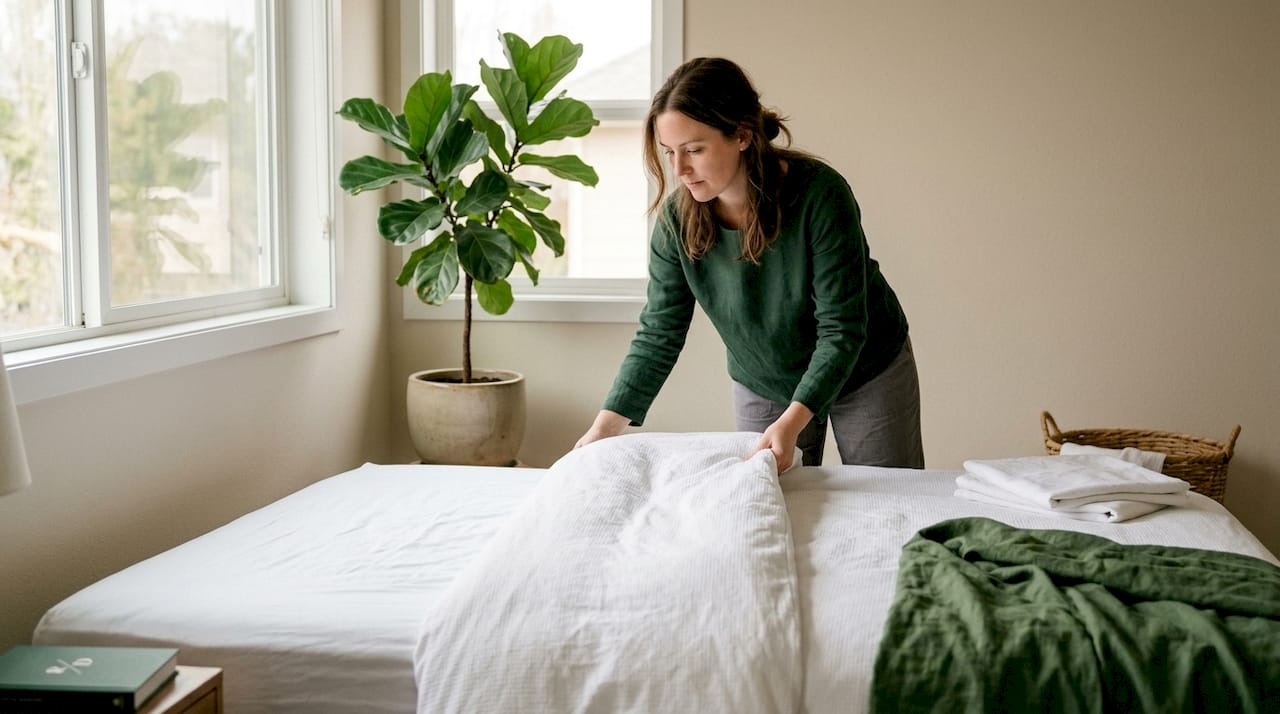
The fabric your bedlinen is made from is the single biggest factor in how it feels against your skin and how well it regulates temperature through the night. The choice between materials is not about better or worse. It is about matching the right fabric to your preferences.
Here is a clear breakdown of the most common options:
- Egyptian cotton — grown from long-staple fibres, this cotton produces exceptionally soft, durable sheets that improve with every wash
- Standard cotton — breathable, easy to care for, and widely available in a range of thread counts and weaves
- Linen — slightly textured with a relaxed drape, linen is naturally temperature-regulating and becomes softer over time
- Mulberry silk — lightweight, smooth, and luxurious with natural protein fibres that feel gentle against sensitive skin
- Bamboo and lyocell — both are soft, moisture-wicking options with an eco-conscious profile and a silky finish
- Microfibre — an accessible option that offers softness and wrinkle resistance at a practical price point
Quality bed sheets thermoregulate depending on material and weave, making fabric choice more impactful than most buyers realise. Cotton remains the most versatile option for the widest range of sleepers, but linen and bamboo bring distinct qualities for those with specific needs. You can read a deeper breakdown in this guide to bedding materials from Roomie-design.
Pro Tip: If you run warm at night, linen or a quality percale cotton will suit you well. If you prefer a cocooning, silky feel, sateen or bamboo are worth exploring.
Percale vs. sateen: the weave question
Once you have chosen a material, weave is the next decision. It determines texture, visual finish, and how the sheet behaves over time.
| Feature | Percale | Sateen |
|---|---|---|
| Weave structure | One-over, one-under | Four-over, one-under |
| Texture | Crisp, matte, breathable | Smooth, subtle sheen, warmer |
| Best for | Warm sleepers, airy feel | Cool sleepers, silky preference |
| Typical thread count | 150 to 400 | 400 to 800+ |
| Drape and appearance | Clean and casual | Lustrous and hotel-like |
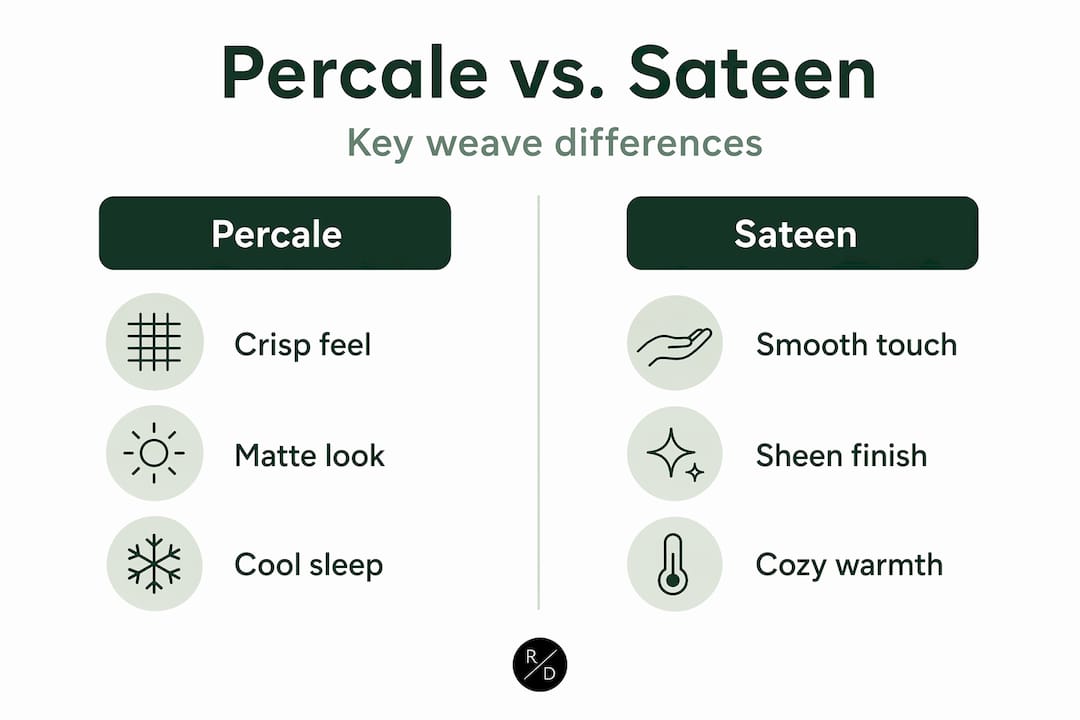
Percale produces a crisp, breathable, matte fabric that feels fresh and cool, making it a strong choice for warmer months or those who sleep hot. Sateen uses longer thread floats to create that smooth, slightly luminous finish associated with luxury hotel bedding. It also tends to feel warmer and denser, which suits those who prefer a more enveloping feel in bed.
The visual difference is also worth considering. Percale has a clean, unfussy look. Sateen has a gentle sheen that reads as distinctly premium in the bedroom. The choice between them largely hinges on thermal comfort preferences and the aesthetic you want to achieve.
Pro Tip: For a year-round set that works across seasons, sateen cotton at 400 to 600 thread count offers both comfort versatility and a polished look.
Thread count, quality, and what it means
Thread count refers to the number of threads woven per square inch of fabric. A higher thread count generally indicates a finer, denser weave, which contributes directly to softness and durability when quality fibres are used.
Key points to understand:
- Thread count matters most when paired with long-staple cotton or premium fibres
- Higher thread counts enhance softness, durability, and luxury feel with well-made fabrics
- The 400 to 1000 thread count range reflects the premium end of the market, with tangible improvements in hand feel and longevity
- Material and weave quality impact sleep far more than thread count figures alone suggest
- A 600 thread count sheet in Egyptian cotton will outperform a 600 thread count sheet in lower-grade fibres
The most practical approach is to prioritise bedlinen function and material alongside thread count rather than relying on the number alone. Thread count is a useful indicator of quality, but it works in concert with the fabric and weave to deliver that genuinely luxurious feel. You can explore this further in Roomie-design’s thread count guide for a thorough breakdown.
Bed linen care, styling, and choosing bedding sets
Getting the right bedlinen is only half the task. Keeping it in excellent condition and building a coordinated sleep space takes a small amount of consistent effort. Here is a practical approach:
- Wash regularly. Most bedlinen benefits from washing every one to two weeks. Use a gentle cycle with a mild detergent to protect fibres, particularly with cotton or silk.
- Rotate between sets. Owning two or three sets and rotating them reduces wear and extends the life of each. It also makes linen changes less of a chore.
- Follow drying guidance. Tumble drying on a low heat or air-drying where possible maintains fabric integrity, especially for linen and high thread count cotton sheets.
- Change seasonally. Layering quilts and lighter bedding sets during warmer months rather than relying on heavy duvets year-round improves comfort significantly.
- Check fitted sheet depth. Mattress depths vary. Always check the pocket depth of fitted sheets against your mattress before purchasing, particularly for deeper memory foam options.
- Coordinate your bedding sets. Matching duvet covers, pillowcases, and flat sheets in complementary tones or patterns creates a polished, well-dressed bedroom with minimal effort.
Selecting coordinated bedding sets removes the guesswork from styling. Brands like Roomie-design offer curated collections across plains, florals, and luxury styles that make building a cohesive bedroom look straightforward. Good sleep hygiene practices, including keeping your sleep space clean and well-ventilated, work in tandem with quality bedlinen for a genuinely restful environment.
My take on upgrading your bedlinen
In my experience, people consistently underestimate what quality bedlinen does for a bedroom. It is the one upgrade that touches your comfort every single night, not occasionally the way a new lamp or rug does.
What I’ve found is that the weave and material combination matters far more than most buyers realise going in. I’ve seen the same thread count feel completely different in percale versus sateen, and in Egyptian cotton versus standard cotton. Those are not minor differences. They change how you sleep.
My recommendation is to prioritise the fitted sheet and pillowcase quality above everything else, since these are what your skin contacts most directly. Once you find a weave and fabric that suits you, buying a full coordinated set in that combination gives your bedroom both comfort and a pulled-together look that genuinely transforms the space.
Investing properly in bedlinen is one of the most practical comfort decisions you can make. Start with quality materials and a weave matched to how you sleep. Everything else builds from there.
— Roomie
Upgrade your bedroom with Roomie-design
Roomie-design stocks a curated range of premium bedlinen designed to match the choices covered in this guide. From high thread count cotton sets to luxurious designer collections, the range spans plain dye, floral, reversible, and minimal styles across multiple colourways and sizes.
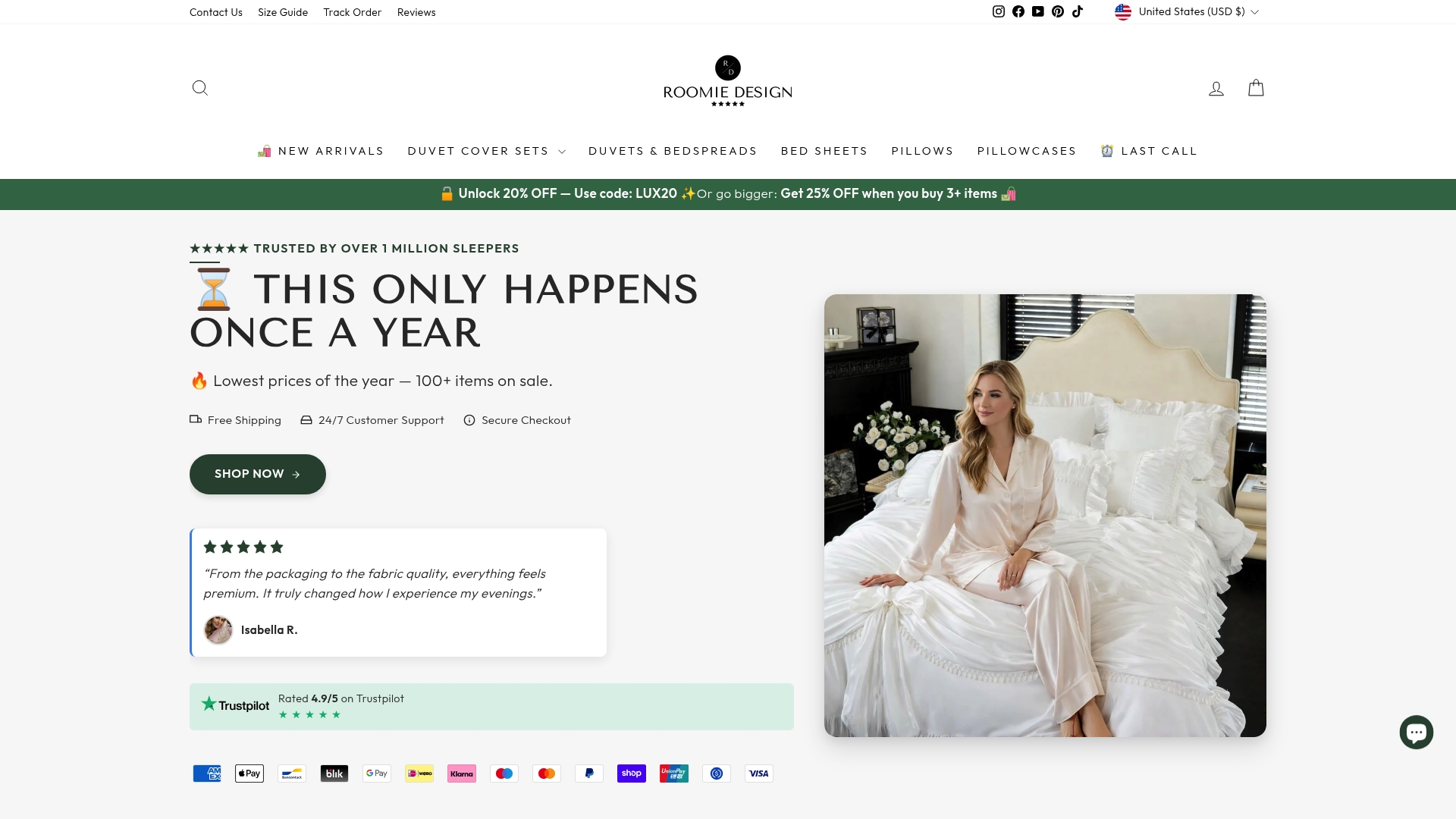
For a genuinely opulent upgrade, the Aristocrat Gold luxury bedding set delivers premium softness with a distinctive designer finish. If you prefer a bold, refined look, the Aristocrat Red luxury bedding set offers the same quality in a striking colourway. For hotel-inspired styling, explore the Hotel Luxe duvet cover set, featuring contrast border detailing and a four-piece ensemble built for lasting comfort.
FAQ
What is bedlinen and what does it include?
Bedlinen refers to the removable, washable layers used on a bed, including fitted sheets, flat sheets, duvet covers, and pillowcases. These items serve hygiene, warmth, and decorative purposes.
What is the best material for cotton bed sheets?
Long-staple Egyptian cotton is widely regarded as the finest option for cotton bed sheets, producing soft, durable fabric that improves with washing. Standard cotton is an excellent practical choice across a broad range of thread counts.
How does weave affect the feel of bedlinen?
Percale weave produces a crisp, breathable texture suited to warmer sleepers, while sateen offers a smoother, warmer, and more lustrous finish. The right choice depends on your personal temperature preference and desired aesthetic.
How often should I wash my bedlinen?
Washing bedlinen every one to two weeks is the standard recommendation for maintaining hygiene and fabric condition. Regular rotation between sets reduces wear and extends the lifespan of each piece.
Does thread count determine bedlinen quality?
Thread count is a useful quality indicator but works alongside fibre type and weave. Higher thread counts in quality long-staple cotton deliver enhanced softness and durability, making the full combination what matters most.


