
Standard vs queen pillow: how to choose the right size
Choose standard pillows for twin, full or single beds and for sleepers who barely move overnight. Choose queen pillows for queen or king mattresses and for anyone who shifts position, sleeps on their side, or shares the bed with a restless partner.
A single sleeper on a twin mattress with a still, back-sleeping habit is well served by a standard pillow at 20 × 26 inches. A couple sharing a queen mattress, where one partner tosses and turns through the night, gets more consistent neck support from a queen pillow at 20 × 30 inches, according to Sleep Foundation.
- Twin or single bed, still sleeper: standard (20 × 26 in)
- Queen or king bed, active or side sleeper: queen (20 × 30 in)
- Budget matters most, fill quality equal: standard costs less; queen typically runs 10–20% more
Table of Contents
- Pillow size chart: exact measurements and mattress pairing
- How size affects comfort and sleep position
- Pillowcase fit and laundering: do’s and don’ts
- Cost and value: pricing and a quick buying checklist
- Styling and bed setup: how many pillows and where to place them
- Do standard and queen pillows wear differently over time?
- Does pillow size affect allergens or neck support?
- Does pillow size matter when travelling?
- What Roomie Design recommends for your bedroom
- Which Roomie Design pillow suits your bed and sleep style?
- Sources
Pillow size chart: exact measurements and mattress pairing
The naming conventions in bedding can be confusing, so here is what each pillow size actually measures and where it belongs.
Manufacturer sizing typically varies by 1–2 cm across brands, so treat these figures as nominal rather than exact. “Super standard” sits between standard and queen and is often used by manufacturers who want a slightly longer pillow without the full queen footprint.
On the numbers: a twin bed comfortably holds two standard pillows side by side, a full bed holds two standard or two super standard pillows, a queen bed is best filled with two queen pillows, and a king bed usually takes two king pillows or three standard ones laid across. For a broader look at matching bedding dimensions to your frame, Roomie Design’s queen vs king bedding guide walks through the wider sizing picture.
How size affects comfort and sleep position
The extra four inches of length in a queen pillow is not just about looks. It gives your head and shoulders more surface area to move across, which matters if you switch sides or sleep with an arm tucked under the pillow.
Sleep position plays a real role in which size suits you best:
- Side sleepers and active sleepers generally do better with a queen pillow, since the added length keeps the head supported even after a position change.
- Stomach sleepers and very still sleepers often prefer the lower profile of a standard pillow, which helps keep the neck in a more neutral line, a point Sleep Foundation makes clear in its sizing guidance.
- Back sleepers tend to sit comfortably with either size, so bed width usually becomes the deciding factor.
Fill volume is where things get interesting. The same fill type, whether goose down or a down-alternative blend, needs more material to fill a queen shell without feeling flat. If you are switching from standard to queen, check the listed fill weight rather than assuming the loft will feel identical. A queen pillow with the same fill weight as a standard one will feel thinner across its larger surface.
Pro Tip: If you sleep on your side and wake up with your head off the pillow, that is usually a sign you need the extra length of a queen, not a firmer fill.
Pillowcase fit and laundering: do’s and don’ts
A pillowcase should sit roughly 1–2 inches larger than the pillow on each side, according to Amerisleep, which gives the insert room to loft properly without straining the seams.
- Check the fit before you commit. A queen insert can technically squeeze into a standard case, but the tighter fit compresses the fill and can make the pillow feel firmer and flatter than intended.
- Watch for seam strain. If the corners of the case look pulled taut or the fill bunches unevenly at the ends, size up to a proper queen case.
- Match your fabric to your fill. Down and down-alternative pillows both benefit from smooth, tightly woven cotton or cotton-blend cases, which protect the fill and launder well without pilling.
- Wash cases separately from heavier bedding where possible, using a gentle cycle, to preserve the crisp finish that higher thread count fabrics are known for.
Roomie Design’s Platinum Luxury Pillowcase set is cut to give queen inserts the clean, unconstrained fit that keeps loft and softness intact wash after wash.
Cost and value: pricing and a quick buying checklist
Queen pillows generally cost 10 to 20% more than standard pillows, largely because they need more fill and fabric to reach the same loft across a bigger shell, a gap Sleep Foundation attributes directly to material volume.
That premium buys you real functional value if you fall into one of these categories:
- Active or side sleepers who need the extra length to keep support consistent through the night.
- Anyone who sits up in bed to read or work, since a queen pillow gives more surface to prop against.
- Shoppers chasing a fuller, more finished bed look, where the visual payoff is part of the appeal.
Before buying, run through a short checklist: match the pillow to your bed width and sleep style first, check the listed fill weight rather than fill type alone, and confirm the return policy and warranty terms, particularly for premium down fills where quality varies noticeably between brands.
Styling and bed setup: how many pillows and where to place them
Bed width dictates pillow count more than personal taste. A twin or single bed typically takes one or two standard pillows. A full bed suits two standard or two super standard pillows. A queen bed looks and functions best with two queen pillows, and a king bed generally holds two king pillows or three standard pillows arranged in a row.
Euro pillows, which measure around 26 × 26 inches according to MattressNut, sit behind the sleeping pillows for decoration and light back support rather than nightly use. They fill out the headboard line and give the bed a more layered, hotel-style finish.
A few quick styling notes:
- Keep sleeping pillows at the front of the layered stack so they stay accessible.
- Match pillowcase fabric and colour across sizes for a cohesive look, rather than mixing finishes.
- Two queen pillows on a queen bed generally produce a fuller, more polished appearance than two standard pillows spaced apart.
Roomie Design’s bedding size guide for comfort and style covers layering combinations in more depth if you want to build out a full arrangement.
Do standard and queen pillows wear differently over time?
Size itself has less bearing on lifespan than fill quality and how well the pillow is cared for, but there are a few size-specific patterns worth knowing.
Queen pillows, because they hold more fill, tend to keep their loft slightly longer under regular use since the extra volume gives the fill more room to recover its shape between compressions. Standard pillows, being smaller, compress fully more often through a typical night, which can mean the fill breaks down at a marginally faster rate over years of nightly use, particularly with lower-density fills.
That said, the biggest factor in either size is the fill itself. High-quality goose down or well-constructed down-alternative fills hold their shape far longer than cheaper synthetic blends, regardless of whether the shell is standard or queen. A well-made queen pillow and a well-made standard pillow, both filled with premium materials, should both offer years of consistent support and a lasting sense of luxury.
Fluffing your pillow daily and using a breathable, well-fitted case in either size helps redistribute fill evenly, which slows the natural settling that happens with any pillow over time. Rotating pillows within a set, if you own more than one of the same size, also spreads wear more evenly across your collection. The size you choose should be driven by comfort and bed fit rather than a worry that one size wears out faster than the other, since fill quality is the far bigger variable.
Does pillow size affect allergens or neck support?
Pillow size plays a smaller role in allergen exposure than fill type and case fabric do, but it does interact meaningfully with spinal alignment.
A well-fitted case, sized correctly to the pillow inside it, helps keep fill contained and reduces the amount of dust and debris that can settle into loose stitching or gapped seams over time. This matters slightly more for larger queen pillows simply because there is more surface area and more fill to manage, which is part of why a properly sized queen case, rather than a stretched standard one, is worth the small extra cost.
On support, the science is straightforward: your neck needs to stay roughly level with your spine, whatever position you sleep in. Sleep Foundation notes that side and active sleepers who move across the pillow through the night benefit from the extra length a queen size provides, since it reduces the chance of the head ending up off the edge of the pillow and out of alignment. Stomach sleepers and those who barely shift position tend to do better with the lower, more compact profile of a standard pillow, which keeps the neck from being pushed into an unnatural angle.
Neither size is inherently better for allergy-conscious sleepers. What matters more is choosing a fill and case combination that suits your needs and keeping cases laundered on a regular schedule, whichever size you land on.
Does pillow size matter when travelling?
Pillow size becomes a genuinely practical concern the moment you start packing for a trip, rather than just choosing what to sleep on at home.
Standard pillows are the clear choice for travel. Their smaller footprint means they compress more easily into a suitcase or the back seat of a car, and most travel pillowcases and portable pillow covers are cut to standard dimensions rather than queen. If you regularly bring your own pillow on trips, whether for comfort or for consistency with a specific fill type, a standard size will save you both packing space and the hassle of hunting for a case that fits.

Queen pillows are far less practical for portability. Their extra length makes them awkward in a car boot or overhead locker, and few travel-specific cases are made to accommodate them. For anyone who travels frequently and wants a familiar pillow along, keeping a standard pillow set aside specifically for that purpose is the more sensible route, even if a queen is your everyday choice at home.
If portability is a genuine priority for you, it is worth owning both: a queen for nightly comfort at home and a standard for the road. The two are not mutually exclusive, and having a dedicated travel pillow means you never have to compromise your main bedding setup to accommodate a trip.
What Roomie Design recommends for your bedroom
Matching pillow size to case and mattress is not a small detail. It is the difference between a pillow that lofts properly and one that looks slightly deflated within weeks. Roomie Design’s approach starts there: choose the size that fits your bed and sleep style first, then choose the fill and fabric that suit your comfort preferences.
Material choice shapes the experience as much as size does. Premium cotton cases breathe well and keep goose down feeling light and full. Mulberry silk and bamboo cases suit sleepers who want a cooler, smoother surface. Linen and lyocell bring a more relaxed, textured feel that pairs beautifully with fuller queen inserts. Each fabric interacts differently with fill, and getting that pairing right is where a bed starts to feel genuinely well put together.
— Roomie Design
Which Roomie Design pillow suits your bed and sleep style?
Once you know your size, the fill makes all the difference between an average night and a genuinely restful one.
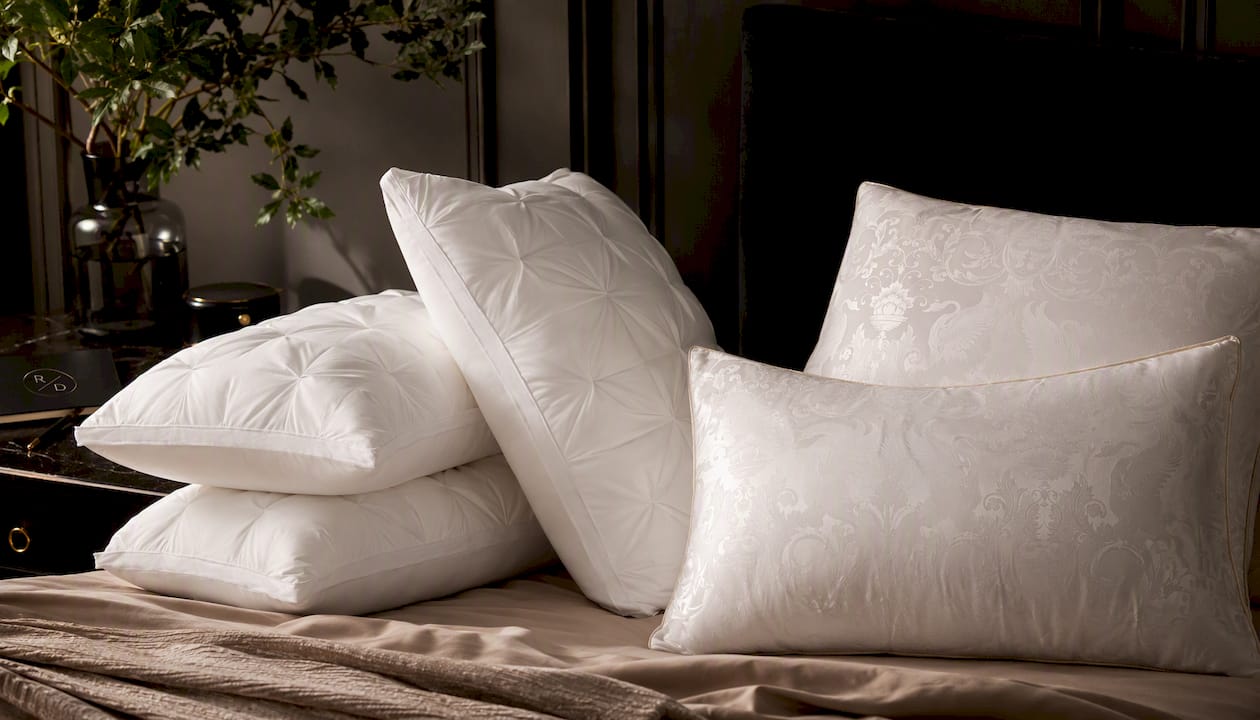
The Signature 100% Goose Down Pillow (Set of 2) suits sleepers who want a plush, hotel-style loft with long-term durability. Its full goose down fill holds shape night after night, making it a strong match for queen beds where two pillows need to look and feel equally full, and for side or active sleepers who want consistent support as they move.
The Venezia Goose Down Pillow offers a slightly different feel, blending goose down with a softer outer touch for sleepers who prefer a gentler, more adaptable loft. It works well for back sleepers and anyone who wants a touch more give without losing support.
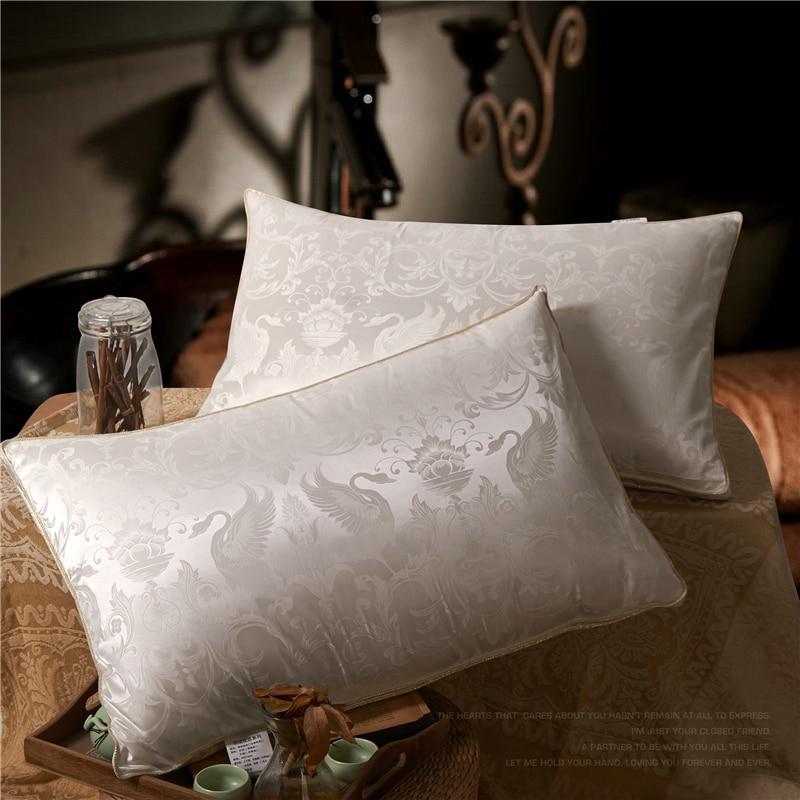
Both are available in standard and queen sizing, so check the product page against your mattress width before ordering, and pair either one with a properly sized case, such as Roomie Design’s Platinum Luxury Pillowcase set, to avoid the compression that comes from squeezing a queen insert into a standard case. If sizing still feels uncertain, Roomie Design’s complete bedding size guide and straightforward returns policy make it easy to order with confidence and adjust if needed.
Sources
- Pillow sizes & dimensions: find the right fit for your bed — Sleep Foundation
- Pillowcase sizes — Amerisleep
- Euro pillows — MattressNut


