
What is breathable bedding and why does it matter?
TL;DR:
- Breathable bedding allows warm air to escape and wicks moisture away during sleep, creating a cooler environment. Natural fibers like cotton, linen, bamboo, and silk excel at airflow and moisture management, supporting natural temperature regulation. Properly chosen and cared for breathable bedding improves sleep quality and comfort while preventing skin irritation.
Breathable bedding is defined as fabric that allows warm air to escape and wicks moisture away from the body during sleep. The result is a cooler, drier sleeping environment that supports natural temperature regulation. Natural fibres such as cotton, linen, bamboo, and TENCEL™ lyocell are the most breathable bedding fabrics available today. Sleep specialists including Dr. Sarah Silverman confirm that bedding supports cooling more directly than mattress technology alone. Getting this right makes a measurable difference to how quickly you fall asleep and how deeply you stay there.
What is breathable bedding made from?
Breathable bedding is defined by two properties: airflow and moisture management. The fabric must allow warm air to circulate away from the body, and it must pull sweat from the skin so it can evaporate. Without both properties working together, you end up with heat and humidity trapped beneath the covers.
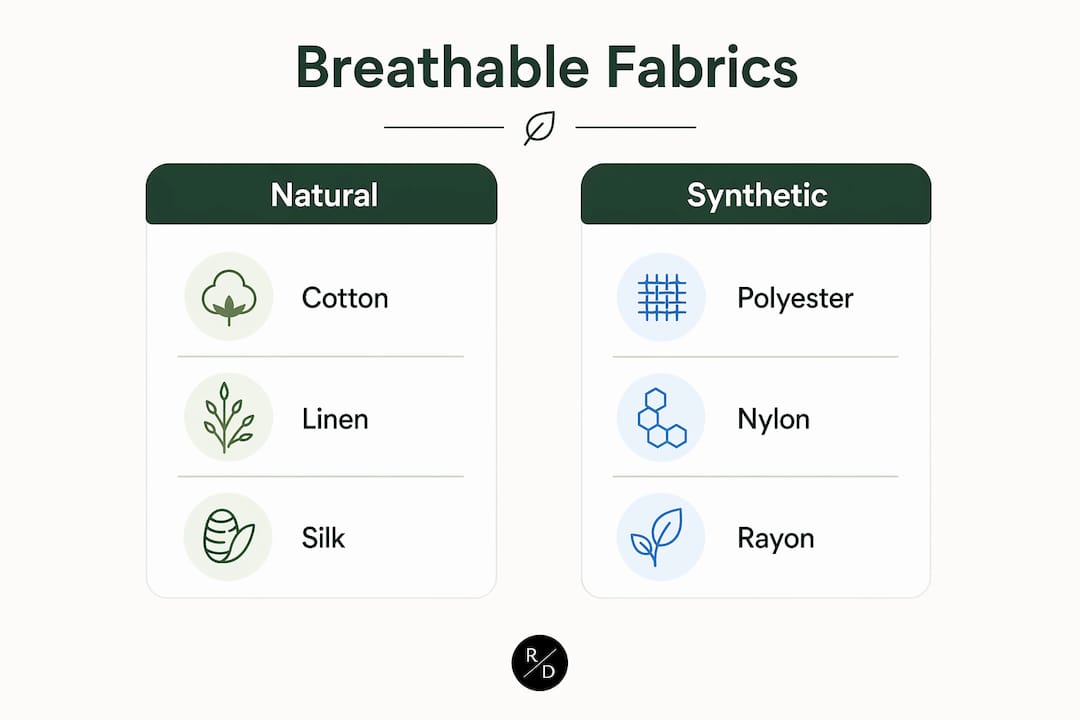
The fibre type is the first factor. Natural fibres consistently outperform synthetics in both airflow and moisture control. The key options are:
- Cotton (especially long-staple varieties such as Egyptian cotton): soft, durable, and excellent at moisture wicking through capillary action
- Linen: highly breathable with a slightly textured feel, well suited to warmer climates
- Bamboo: naturally moisture-regulating with a smooth, lightweight drape
- TENCEL™ lyocell: derived from wood pulp, with strong moisture management and a silky hand feel
- Mulberry silk: a niche option with natural temperature-regulating properties and a luxurious finish
Weave structure matters just as much as fibre. A percale weave uses a one-over-one-under pattern that creates a crisp, matte fabric with excellent airflow. Sateen weave produces a softer, shinier surface but sits closer together, which retains more warmth. Neither is inferior. They simply suit different preferences and seasons.
Thread count is widely misunderstood. A denser weave reduces airflow, which is why fibre quality and weave type are more reliable guides to breathability than thread count alone. A premium Egyptian cotton sheet at 1,000 TC delivers exceptional softness, durability, and a luxurious feel. The key is pairing the right thread count with the right weave and fibre for your personal comfort preference.
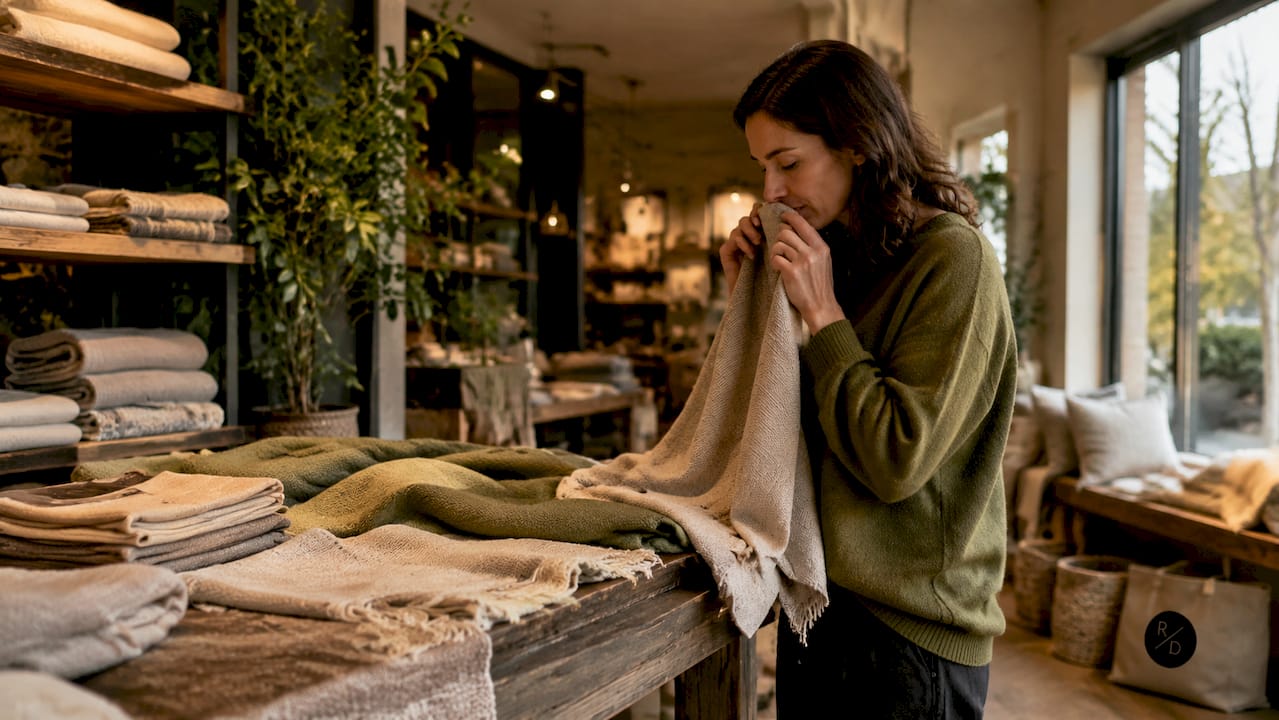
Pro Tip: If you sleep warm, choose a percale weave in cotton or linen for summer months. If you prefer a softer, more enveloping feel year-round, a high-quality sateen or silk option provides comfort with natural temperature balance.
How does breathable bedding improve sleep quality?
Temperature regulation is directly linked to sleep quality. Melatonin production and sleep cycle transitions both depend on the body’s ability to lower its core temperature as you drift off. Bedding that traps heat interferes with this process and disrupts the shift into deeper sleep stages.
Breathable fabrics address this by allowing heat to dissipate and moisture to evaporate. Cotton’s capillary action pulls sweat away from the skin, keeping the surface dry and cool throughout the night. This is particularly significant for hot sleepers and those who experience night sweats.
“Bedding that supports the body’s natural cooling mechanisms plays a more critical role in sleep quality than mattress technology alone.” — Dr. Sarah Silverman, via Sleep Foundation
The benefits extend beyond temperature. Breathable sheets prevent moisture trapping that can cause skin irritation and itchiness overnight. Hypoallergenic natural fibres such as cotton, linen, and bamboo are particularly well suited to sensitive skin. Choosing the right fabric addresses both comfort and skin health simultaneously.
Breathable bedding fabrics compared
Different fabrics suit different sleepers. The table below outlines the key properties of the most common breathable options to help you match fabric to preference.
| Fabric | Breathability | Feel | Durability | Best for |
|---|---|---|---|---|
| Cotton percale | Excellent | Crisp, cool | High | Hot sleepers, summer use |
| Cotton sateen | Good | Soft, smooth | High | Year-round comfort |
| Linen | Excellent | Textured, relaxed | Very high | Warm climates |
| Bamboo | Very good | Silky, lightweight | Medium | Moisture-sensitive sleepers |
| TENCEL™ lyocell | Very good | Smooth, cool | Medium | Eco-conscious buyers |
| Mulberry silk | Good | Luxurious, light | Medium | Temperature-sensitive sleepers |
Cotton remains the most widely used breathable fabric because it combines better cooling than synthetic fabrics with accessibility and ease of care. Linen is the most durable natural option and softens with every wash. Bamboo and TENCEL™ lyocell appeal to those who prioritise eco-friendly production alongside moisture control. Mulberry silk is a premium choice that regulates temperature naturally and feels exceptionally smooth against the skin.
Some synthetic sheets marketed as breathable do not deliver genuine airflow or moisture management. Fabric composition and weave quality are the reliable indicators. Marketing labels alone are not sufficient.
Pro Tip: Linen and bamboo both soften significantly after several washes. If either feels slightly stiff on first use, wash before forming a final opinion on the feel.
How to choose and care for breathable bedding
Selecting the right breathable bedding starts with three personal factors: your sleep style, your local climate, and any skin sensitivities. Hot sleepers benefit most from cotton percale or linen. Those with sensitive skin should consider hypoallergenic fabrics such as bamboo or TENCEL™ lyocell. Cooler climates call for fabrics that balance breathability with warmth, such as a sateen cotton or a silk blend.
Layering matters as much as the sheets themselves. Experts recommend pairing breathable sheets with lighter quilts and breathable sleepwear for the best temperature regulation. A heavy duvet over breathable sheets cancels much of the benefit. Choosing a breathable duvet cover in a matching natural fibre completes the system.
Caring for breathable bedding correctly preserves its performance:
- Wash at 40°C or below to protect natural fibres and maintain softness
- Avoid fabric softeners on bamboo and TENCEL™, as they coat fibres and reduce moisture-wicking
- Tumble dry on a low heat setting or line dry to prevent shrinkage
- Wash new bedding before first use to activate the full softness of the fabric
- Replace bedding when it no longer feels fresh after washing, as fibres degrade over time and lose their moisture-managing properties
Pro Tip: Rotate between two sets of sheets so each set gets adequate rest between washes. This extends the life of the fabric and keeps the feel consistently fresh.
Breathability and luxury are not opposites
The most common misunderstanding I encounter is the assumption that breathable bedding means basic bedding. Shoppers sometimes assume that a premium, high-thread-count sheet must be heavy and warm, and that breathable options are reserved for budget ranges. Neither is true.
Egyptian cotton at 1,000 TC, woven with care and finished to a high standard, delivers both the softness and weight that luxury sleepers want and the natural fibre properties that support temperature balance. Mulberry silk is one of the most breathable materials available and is also one of the most indulgent. The two qualities coexist when the fibre and construction are right.
What I find genuinely matters is matching the fabric to the individual. A linen duvet cover suits someone who runs warm and prefers a relaxed aesthetic. A silk set suits someone who wants a cooler night with a more refined finish. The investment in quality pays back every single night. Bedding that performs well and feels luxurious is not a compromise. It is simply the right choice made with the right information.
— Roomie
Premium breathable bedding sets from Roomie-design
Roomie-design offers a curated range of breathable bedding in premium natural fibres, from Egyptian cotton to mulberry silk.
The Dusty Rose Mulberry Silk Duvet Cover Set combines natural temperature regulation with a smooth, lightweight finish. For Egyptian cotton luxury, the Prestige Beige 1000 TC Duvet Cover Set delivers exceptional softness and durability in a refined design. Both sets are crafted for sleepers who want comfort and quality in equal measure. Browse the full collection at Roomie-design to find the fabric and style that suits your sleep.
FAQ
What is breathable bedding in simple terms?
Breathable bedding is fabric that allows warm air to escape and pulls moisture away from the body during sleep. Natural fibres such as cotton, linen, and bamboo are the most effective options.
Does breathable bedding actually help you sleep better?
Yes. Temperature regulation is linked to melatonin production and the transitions between sleep stages. Breathable fabrics support the body’s natural cooling process, which aids deeper, more consistent sleep.
What are the most breathable bedding fabrics?
Cotton percale, linen, bamboo, TENCEL™ lyocell, and mulberry silk are the leading breathable options. Each offers different levels of softness, durability, and moisture management to suit different preferences.
Is high thread count bad for breathability?
A denser weave can reduce airflow, but fibre quality and weave type are the more reliable indicators of breathability. Premium Egyptian cotton at high thread counts still delivers natural fibre benefits alongside exceptional softness and durability.
How should I care for breathable bedding to keep it performing well?
Wash at 40°C or below, avoid fabric softeners on bamboo or TENCEL™, and line dry or tumble dry on a low heat setting. Proper care preserves the moisture-wicking properties and softness of natural fibres over time.


