
Keep Bedding Healthy: Wash Sheets Weekly, Protect Luxury Fabrics
Wash sheets and pillowcases every week to two weeks, with weekly as the ideal baseline. Pet owners, heavy sweaters, and anyone recovering from illness or managing allergies may prefer changing bedding every few days to maintain the highest level of cleanliness and comfort. Duvet covers can stretch to two to four weeks, duvets to every two to three months, and pillows every four to six months, provided everything comes out of the dryer completely dry.
Table of Contents
- Bedding washing frequency by item: your practical schedule
- What changes your bedding washing frequency
- How to wash bedding without damaging premium fabric
- Drying and storing bedding the right way
- Signs you should wash bedding right away
- Caring for premium bedding while washing it often
- Why hygiene and luxury bedding belong together
- Bedding worth washing this often
- Sources
- FAQ
Bedding washing frequency by item: your practical schedule
A cadence only works if it is specific enough to actually follow. Sheets and pillowcases sit closest to your skin all night, which is why dermatologists treat them as the priority item on any bedding cleaning schedule.

Cleveland Clinic notes that the average person sheds roughly 1.5 grams of dead skin cells daily, all of which ends up in the fabric touching your face and body. That is why dermatologists recommend washing sheets at least once a week as a firm baseline, with fortnightly as the outer limit for most households.
Here is how the rest of your bedding compares:
- Sheets and pillowcases: weekly to fortnightly. If you use heavy overnight skincare, share your bed with pets, or have oily skin, refreshing pillowcases every few days is recommended to maintain optimal comfort and freshness.
- Duvet covers: every two to four weeks. Using a top sheet underneath can lengthen this interval, since the cover has less direct skin contact.
- Duvets and comforters: every two to three months, or as the care label permits, since the outer cover absorbs most day-to-day soiling.
- Pillows: washable pillows every four to six months. Pillow protectors, by contrast, need monthly washing because they take the daily hit.
- Blankets and throws: every two to three months, more often if pets share the bed.
- Mattress protectors: monthly. This single step does more to protect your mattress investment than almost anything else in the routine.
A simple way to make this manageable is to think in layers rather than one giant laundry day:
- Strip pillowcases and sheets first, since these need the most frequent attention.
- Rotate in a spare duvet cover while the first is washing, rather than waiting for it to dry before remaking the bed.
- Wash protectors on a separate monthly cycle so bulky duvets and pillows are disturbed less often.
- Save duvets, pillows, and blankets for a slower seasonal rhythm tied to weather and usage.
Keeping a spare set of sheets and a spare duvet cover on hand removes the main obstacle to sticking with this schedule: not having anything dry to put back on the bed.
What changes your bedding washing frequency
The baseline schedule assumes an average household. Several everyday factors push the numbers down considerably, and recognising them matters more than memorising a fixed number.
- Pets in the bed: wash bedding every three to four days when a dog or cat sleeps on it regularly, since pet dander and outdoor debris accumulate fast.
- Allergies and asthma: frequent laundering of sheets, pillowcases, and blankets reduces dust mite allergen load, though it will not eliminate mites completely; pairing this with washable, fine-weave covers gives the best practical result.
- Illness: launder sheets and pillowcases immediately after a cold, flu, or stomach bug, rather than waiting for the next scheduled wash.
- Sweating and warmer months: increase frequency in summer or after intense exercise, since heat and moisture accelerate bacterial growth in fabric.
- Skincare habits: heavy night creams, oils, or retinoids transfer onto pillowcases quickly, so change these more often than the rest of the set.
A microbiologist interviewed by Loma Linda University Health points out that frequency should track your actual sleeping habits and skin contact, not a one-size-fits-all rule. Pillowcases, in particular, deserve the most attention because of direct facial contact night after night.
How to wash bedding without damaging premium fabric
Getting the temperature and detergent right matters as much as how often you wash. Hot water helps with disinfection, though the CDC’s guidance on laundering notes that lower temperatures combined with a good detergent and dryer heat still reduce microbes effectively, which is useful when a fabric’s care label rules out high heat.
- Check the label first. Cotton and lyocell blends generally tolerate around 60°C, which a microbiologist quoted by Loma Linda University Health recommends when the fabric allows it.
- Wash linen at 30 to 40°C. This preserves the relaxed, textured finish that makes linen bedding so distinctive, and prevents unnecessary fading over time.
- Treat silk and feather-down fills with extra care. Mulberry silk pieces typically need a gentle, cool cycle or hand wash, so always defer to the specific label instructions for these premium materials.
- Use a standard detergent. It is usually sufficient for everyday hygiene; oxygen-based bleach is a safer alternative to chlorine bleach where the fabric allows any bleach at all.
- Do not overfill the drum. Water and detergent need room to circulate properly around bulky items, and an overstuffed machine leaves patches under-cleaned.
- Check before reusing. Smell, look for visible residue, and, for anything with a thick fill, feel the centre for dryness before putting it back on the bed.
Pro Tip: Wash a new duvet cover or set of sheets once before first use. It softens the fabric slightly and removes any manufacturing residue, so your premium cotton or linen settles into its true texture from the very first night.
Drying and storing bedding the right way
Drying matters just as much as washing. A microbiologist writing for The Conversation warns that incomplete drying, particularly in bulky duvets and pillows, allows fungal growth to take hold even when the outside looks perfectly dry.
- Use a tumble dryer where the label allows it, since the added heat speeds up sanitisation.
- Sunlight is genuinely useful for whites and linen, both for freshness and mild natural bleaching.
- Feel the centre, not just the surface, before folding anything bulky away.
- For oversized duvets that will not fit comfortably in a domestic dryer, a specialist cleaning service such as Cleanny’s upholstery and bulky-item cleaning is a safer route than forcing an underpowered home cycle.
- Store washed items in breathable containers or bags rather than sealed plastic, which traps residual moisture.
Consumer body Which? flags incomplete drying as the single most common failure point in home bedding care, precisely because a duvet can feel dry on the outside while staying damp at its core for hours longer.
Signs you should wash bedding right away
Some signals override any schedule. If you notice any of the following, wash immediately rather than waiting for the next planned cycle:
- Visible stains or a lingering odour that a quick airing does not resolve.
- New skin breakouts, itching, or a fungal-looking rash after a night’s sleep.
- A flare-up in allergy or asthma symptoms that seems tied to time in bed.
- Recovery from any infectious illness, where sheets and pillowcases need laundering straight away and the duvet cover should follow shortly after.
Persistent skin reactions that do not improve with more frequent washing are worth raising with a GP or dermatologist, since they can occasionally point to something beyond simple bedding hygiene.
Caring for premium bedding while washing it often
Frequent washing and genuinely luxurious bedding are not in conflict, provided you build a small system around them. The habits below keep higher thread count sheets soft and durable for years rather than months.
- Keep a spare set per bed. One extra sheet set and duvet cover means you are never rushing a damp load back onto the mattress.
- Match temperature to material. Linen prefers 30 to 40°C to protect its texture, while silk needs its own gentle cycle.
- Use protectors as your first line of defence. A good mattress or pillow protector takes the daily wear so the fill itself needs washing far less often, which is one of the simplest ways to extend the lifespan of premium bedding.
- Trust the weave. A denser weave, including sets in the 400 to 1,000 thread count range, is built to soften further with each gentle wash rather than wear thin, which is part of what gives higher thread counts their reputation for lasting comfort.
Pro Tip: Rotate two duvet covers in the same style rather than owning just one. It doubles how often you can wash without ever leaving the bed looking unfinished.
Why hygiene and luxury bedding belong together
A weekly wash for sheets, shorter cycles for pillowcases when needed, and careful drying throughout is the whole system. Premium fabric is not fragile in the way people assume. Rotating covers and pairing luxurious fills with proper protectors keeps softness intact, wash after wash. For the finer points on individual fabrics, material-specific care guides are worth a look before your first wash.
— Roomie Design
Bedding worth washing this often
A hygiene routine only works long term if the bedding itself can take it, which is exactly where the right set earns its keep. The PureComfort™ Luxury Soft Bedding Set is built with easy-care softness in mind, so weekly washing is part of the design brief rather than a compromise.
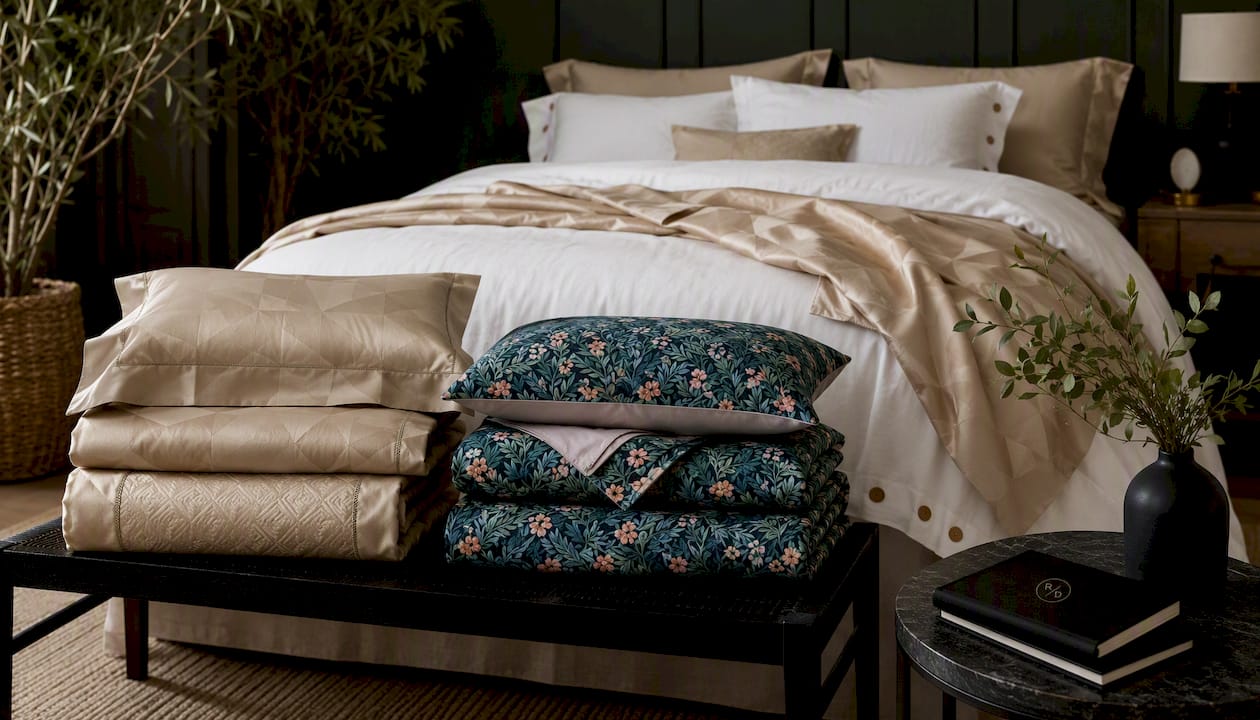
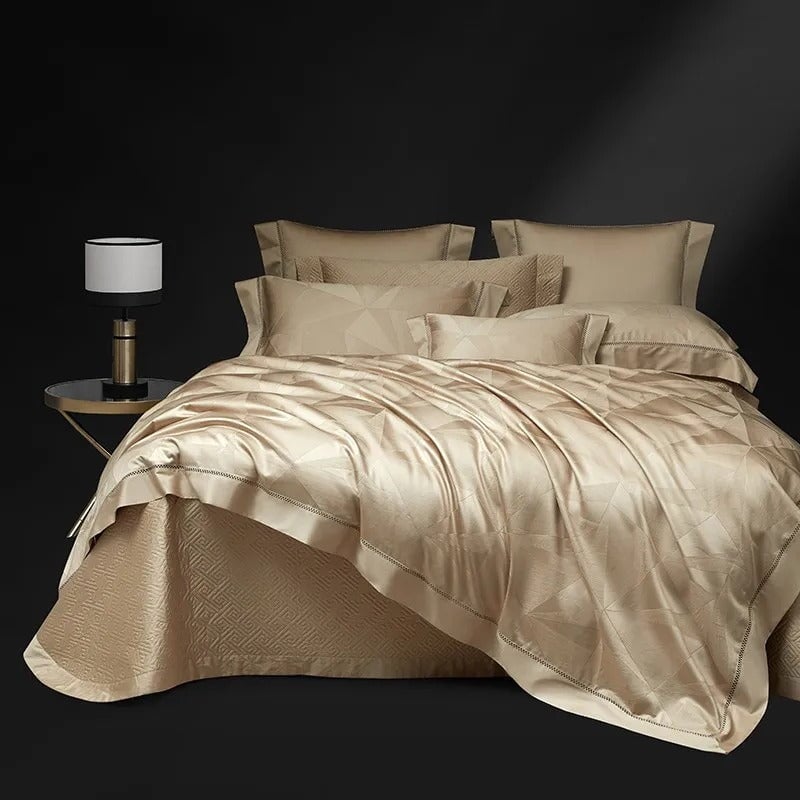
For readers who want a denser weave that holds up beautifully to regular laundering, the Diamond Weave 1200TC Luxury Bedding Set delivers that substantial, hotel-grade feel while standing up to a genuine weekly rotation. If your bedroom leans decorative, the Delicate Floral Duvet Cover Set pairs well with a spare cover in the same print, so one can always be in the wash while the other stays on the bed.
The most practical purchase habit, whichever style you choose, is buying at least one spare duvet cover and pillowcase set alongside your first order, then adding a mattress and pillow protector to shield the more expensive fill underneath. Browse the full range of duvet cover sets, sheets, and pillowcases on the Roomie Design site to build a rotation that fits your household, or explore the Mulberry Silk Bedlinen collection if you are after something lighter for warmer months.
Sources
This guide draws on the Sleep Foundation, Cleveland Clinic, Loma Linda University Health, The Conversation, and dust mite research published on PMC.
- How Often Should You Wash Your Sheets (Sleep Foundation)
- How Often You Should Wash Your Sheets (Cleveland Clinic)
- How often should you really be washing your bedding? (The Conversation)
- Your bedding may need more frequent washing (Loma Linda University news)
FAQ
Should I wash bedding on 40 or 60 degrees?
Use 60°C when your fabric’s care label allows it, since that temperature supports better disinfection. Linen and other delicate fabrics do better at 30 to 40°C, and a good detergent still gets effective results at the lower setting.
How often does the average person wash their bedding?
Most guidance points to weekly washing for sheets and pillowcases as the practical baseline, with some households stretching to fortnightly. Dermatologists at Cleveland Clinic treat once a week as the minimum for good hygiene.
Is it okay to wash bedsheets every two weeks?
Fortnightly washing is acceptable for most people without pets, allergies, or heavy sweating, though weekly remains the ideal. If you notice odour, visible marks, or skin irritation before the two weeks are up, wash sooner.
How often do people typically wash their bedding compared to experts’ advice?
Many people wash bedding less often than experts recommend, often stretching well past two weeks. Sleep Foundation and dermatology guidance both point to weekly washing as healthier, particularly for pillowcases.
Does a higher thread count mean I need to wash bedding less often?
Thread count affects feel and durability rather than how often you should wash. A set like the Diamond Weave 1200TC Luxury Bedding Set follows the same weekly to fortnightly schedule as any other sheet set, and its denser weave holds up well to that routine over years of regular use.


