
Pet-friendly bedding ideas for a stylish home
TL;DR:
- Pet-friendly bedding is designed to withstand frequent washing, resist fur embedding, and ensure safety for animals sharing your sleep space. Using tightly woven fabrics like cotton percale or sateen, combined with layered protection such as waterproof liners and washable throws, helps maintain cleanliness and prolongs bedding lifespan. Regular washing with enzyme detergents and careful care routines keep pet bedding fresh, durable, and stylish without sacrificing comfort.
Pet-friendly bedding is defined as bedding designed to withstand frequent washing, resist fur embedment, and remain safe for animals sharing your sleep space. The best solutions combine tightly woven fabrics, such as cotton percale, with a layered protection system that keeps your bedroom clean without sacrificing comfort. Textile experts consistently recommend percale and sateen weaves for pet households because their smooth surfaces release hair rather than trapping it. A solid pet-friendly bedding care process, using enzyme detergents and pre-drying cycles, extends the life of every layer and keeps allergens under control.
1. which bedding materials work best in pet households?
Cotton percale is the top-recommended fabric for pet-friendly bedding because its tight weave prevents hair from embedding in the fibres. That means fur sits on the surface and shakes or washes away cleanly, rather than clinging after multiple cycles. Cotton sateen offers a similar tight weave with a silkier finish, making it equally practical and noticeably more luxurious to the touch.
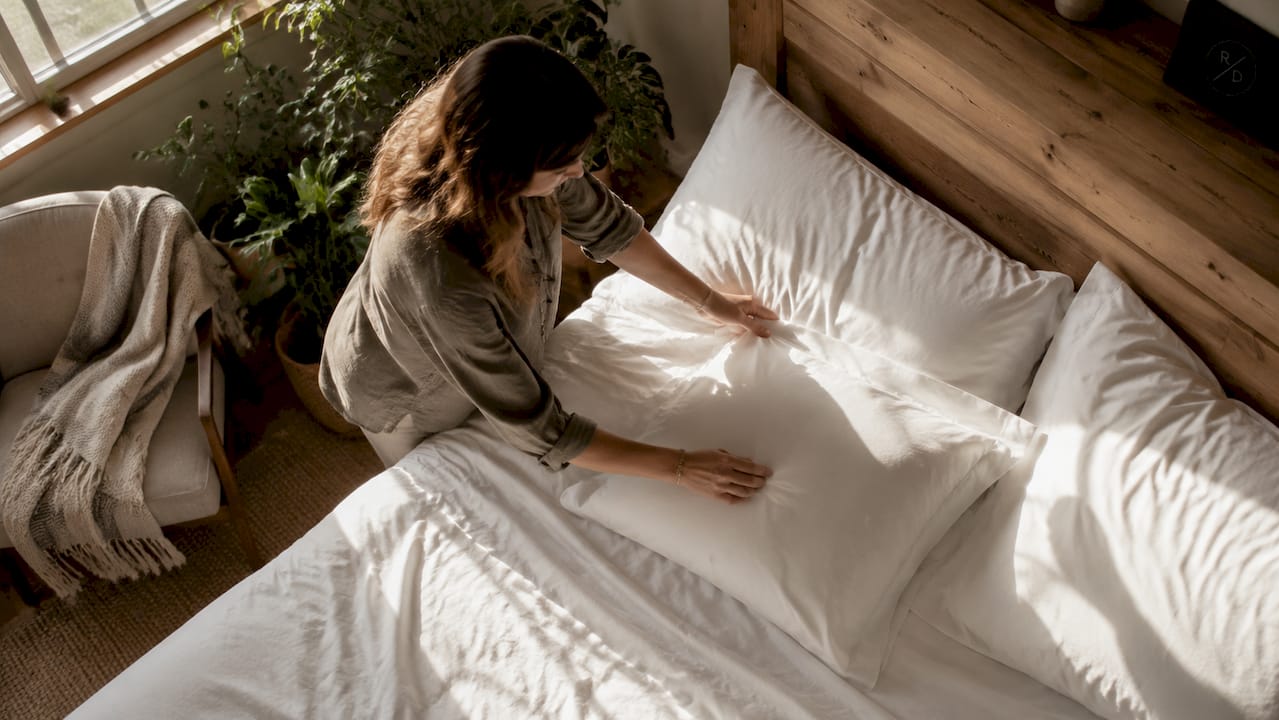
Beyond cotton, bamboo fabric and linen both carry natural moisture-wicking properties that reduce odour build-up between washes. Eucalyptus-derived lyocell is another strong option: it is soft, breathable, and holds its structure well under frequent laundering. Each of these materials suits pet households differently depending on your priorities for softness, durability, or eco-friendly credentials.
| Material | Hair Release | Durability | Comfort | Wash Frequency Tolerance |
|---|---|---|---|---|
| Cotton Percale | Excellent | High | Medium-High | Very High |
| Cotton Sateen | Very Good | High | High | Very High |
| Bamboo / Lyocell | Good | Medium-High | Very High | High |
| Linen | Good | Very High | Medium | High |
| Jersey Knit | Poor | Medium | High | Medium |
Pro Tip: Choose smooth-surface fabrics over textured weaves. Fluffy or looped textures, such as jersey knit or flannel, trap pet hair at the fibre level and require far more effort to clean.
2. how to layer your bedding for maximum protection
A waterproof TPU liner placed directly under your duvet or mattress topper forms the first line of defence against accidents, drool, and spills. It protects your most expensive bedding layers without affecting the feel of the bed from above. A washable duvet cover then sits over the insert, acting as a removable shield that takes the brunt of daily pet contact.
The third layer is the most practical of all: a washable throw or flat sheet placed across the area where your pet tends to settle. Using a washable throw as the primary pet zone dramatically reduces how often you need to launder the duvet cover and sheets beneath it. This approach keeps your premium bedding fresher for longer and simplifies your weekly routine.
A practical layered system works as follows:
- Waterproof TPU mattress or duvet liner — protects against moisture and accidents at the base level.
- High-thread-count duvet cover — durable enough for frequent washing and smooth enough for easy hair removal.
- Flat sheet — adds a washable buffer between your body and the duvet cover.
- Washable throw or pet blanket — designates a specific pet zone and captures the majority of fur and dander.
Pro Tip: Keep a lint roller on your bedside table. A quick daily roll over the throw takes under a minute and keeps visible fur from migrating to the layers beneath.
3. the ideal pet-friendly bedding care process
Sheets and pillowcases should be washed every 3–5 days when pets share your bed, compared to the standard 7–14 days for pet-free households. That frequency keeps dander, fur, and bacteria at manageable levels without over-stressing your fabrics. Duvet covers benefit from a weekly wash, while pet blankets and throws warrant the same.
Running a 10-minute dry cycle before washing collects significant pet hair in the lint filter. This pre-drying step protects your washing machine from fur build-up and improves the overall cleaning result. Many pet owners skip this step entirely, which is why their machines accumulate residue over time.
Key care steps for durable pet bedding:
- Pre-dry cycle: 10 minutes in the tumble dryer before washing to remove loose fur.
- Detergent choice: Use fragrance-free, enzyme-based detergents that break down pet proteins rather than masking odours with fragrance.
- Wash temperature: Follow fabric care labels; most cotton and bamboo bedding tolerates a warm wash that kills bacteria without degrading fibres.
- Full drying cycle: Incomplete drying causes mildew in bulky items; squeeze the fill mid-cycle to check for residual moisture and run a second cycle if needed.
- Pet beds: Wash pet beds weekly to reduce allergens and prevent flea infestations, per guidance from the American Kennel Club.
4. how to style a pet-friendly bedroom without compromise
Colour choice is one of the most underrated tools in pet-friendly home decor. Soft blues, greens, and warm neutrals not only create a calming atmosphere for anxious animals but also conceal light-coloured pet hair far more effectively than stark white bedding. Patterned duvet covers in subtle prints or tonal designs are particularly practical: they disguise fur between washes and still look polished.
Calming colour palettes and dimmable warm lighting at 2700K–3000K reduce stress in shared pet spaces. This matters because a relaxed pet is less likely to pace, scratch, or disturb bedding during the night. Fitting a dimmer switch is a low-cost change with a measurable effect on the shared sleep environment.
Architectural details make a real difference in well-designed pet-friendly rooms. Built-in pet nooks or recessed sleeping spaces integrated into bedroom furniture give animals a defined spot that is not your bed. When pets have their own comfortable space nearby, they are less likely to claim yours. Pair this with washable pet bedding accessories that match your room’s colour palette for a cohesive, considered look.
Pro Tip: Choose duvet covers in mid-tone shades such as slate blue, sage green, or warm taupe. These tones sit between the colour of most common pet fur shades and hide daily shedding far better than white or very dark options.
5. choosing durable pet bedding that lasts
Durability in bedding for pets comes down to thread count, weave tightness, and fibre quality. High-thread-count Egyptian cotton, in the 400–1000 TC range, offers a dense, smooth surface that holds its structure across hundreds of wash cycles. That density is precisely what makes it resistant to pilling, tearing, and the general wear that comes with daily pet contact.
Sateen weaves at high thread counts deliver a particularly resilient surface. The long-float weave creates a smooth face that repels hair and resists abrasion from claws better than looser constructions. For dog lovers especially, this combination of softness and toughness is the practical standard to aim for. You can explore fabric and weave options in detail to match your specific priorities.
Reinforced stitching at seams and button or zip closures on duvet covers also extend lifespan significantly. Zip closures keep inserts in place when pets burrow or knead, which reduces uneven wear on the fill. These details are worth checking before purchase.
6. non-toxic and eco-friendly bedding for pet households
Non-toxic bedding for pets means fabrics processed without harsh chemical finishes, optical brighteners, or synthetic fragrances that could irritate sensitive animals. Bamboo, organic cotton, and lyocell are the most widely available options in this category. They are produced with fewer chemical inputs than conventional cotton and are generally gentler on both pet skin and human respiratory systems.
Eco-friendly bedding for pets also tends to be more durable. Bamboo fibres, for instance, retain their softness and structural integrity across repeated high-temperature washes, which is a practical advantage in pet households. Linen is another long-lasting choice: it softens with every wash rather than degrading, and its natural texture is naturally resistant to odour retention. Refer to a homeowner’s bedding guide for a full breakdown of material properties.
The environmental benefit is secondary for most pet owners, but the practical overlap is significant. Fabrics that are gentler to produce are often gentler in use, and that aligns well with the needs of a pet-friendly home.
Roomie’s view: luxury and practicality are not opposites
The assumption I see most often is that pet owners must choose between beautiful bedding and bedding that survives. That is simply not accurate. The layered protection system changes the equation entirely. Your premium duvet cover stays cleaner because a washable throw absorbs the daily contact. Your washing machine lasts longer because a pre-dry cycle removes fur before water is involved. The investment in quality materials pays back through durability, not despite it.
What I have found is that the care routine matters as much as the fabric choice. Enzyme detergents, consistent wash schedules, and full drying cycles are not complicated steps. They are the difference between bedding that looks worn within a year and bedding that holds its quality for several. Pet ownership does not require you to lower your standards. It requires you to be deliberate about the standards you set.
— Roomie
Premium bedding for pet owners, from Roomie-design
Roomie-design offers a range of high-thread-count duvet covers and sheets built for exactly this kind of daily use.
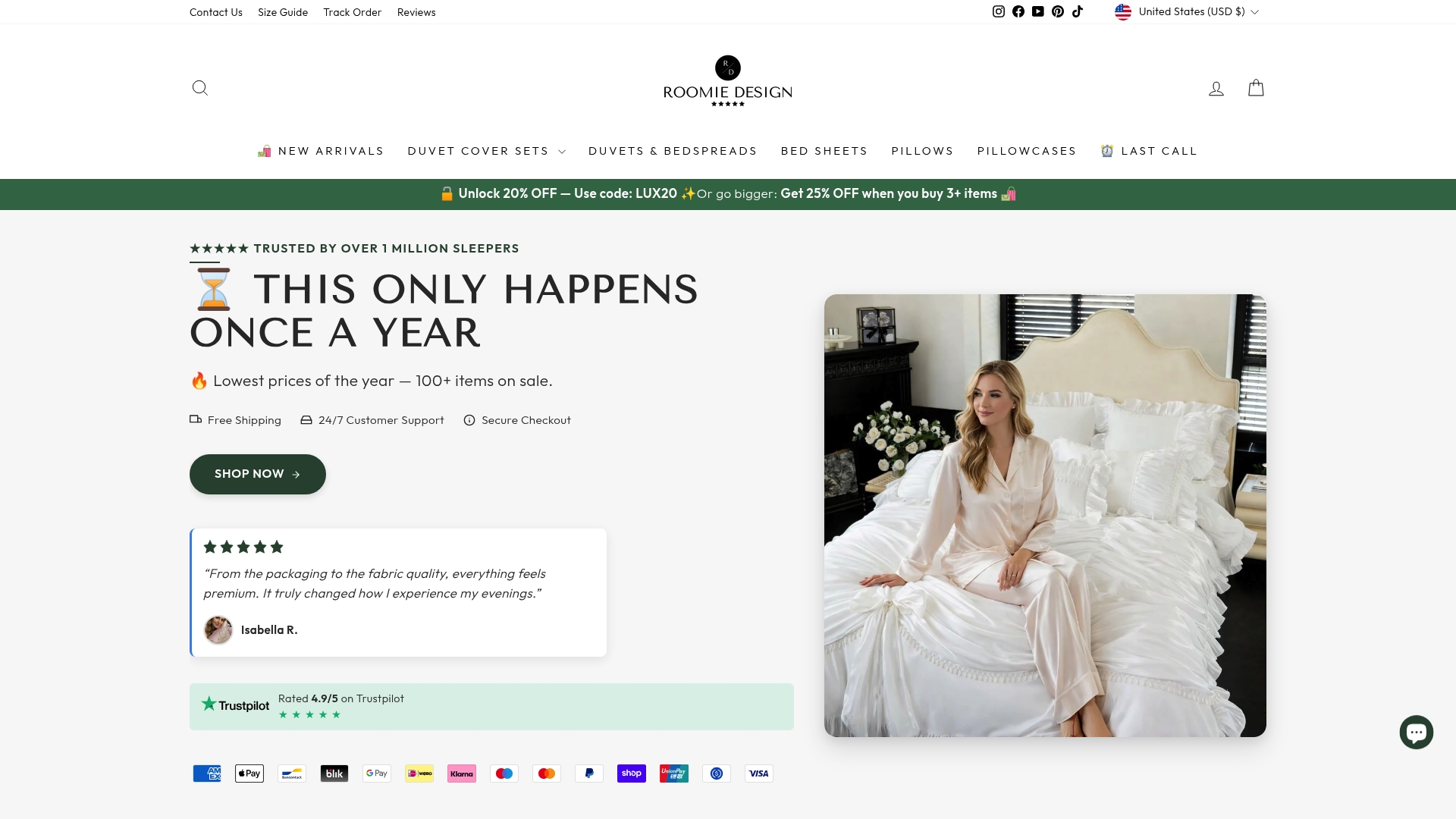
The Terracotta Super Hero 1000 TC Egyptian Cotton Duvet Cover combines a tightly woven, smooth surface with the durability to withstand frequent washing, making it a strong choice for pet households. For a neutral tone that conceals everyday fur, the Prestige Beige 1000 TC Egyptian Cotton set delivers the same premium construction in a practical shade. Both collections are available in multiple sizes and are designed to retain their softness and structure across hundreds of wash cycles. Browse the full range at Roomie-design to find the right fit for your bedroom.
FAQ
What fabric is best for pet-friendly bedding?
Cotton percale is the top-recommended fabric because its tight weave prevents hair from embedding and releases fur easily during washing. Cotton sateen, bamboo, and linen are strong alternatives with similar durability benefits.
How often should i wash bedding when my pet sleeps with me?
Sheets and pillowcases need washing every 3–5 days when pets share the bed, compared to the standard 7–14 days for pet-free households. Duvet covers and pet throws benefit from a weekly wash.
Are enzyme detergents safe for washing pet bedding?
Enzyme-based detergents are the recommended choice because they break down the proteins that cause persistent pet odours rather than masking them with fragrance. Fragrance-free formulas also avoid irritating pets’ sensitive olfactory systems.
What is the best way to protect a duvet from pet damage?
A waterproof TPU liner under the duvet combined with a washable throw on top creates the most effective layered protection against fur, moisture, and accidents. This system keeps the duvet itself clean far longer and reduces overall washing frequency.
Do high-thread-count sheets hold up to frequent washing?
High-thread-count Egyptian cotton sheets in the 400–1000 TC range are built for durability and retain their softness and structure across repeated wash cycles. Their dense weave also resists pilling and abrasion from pet claws better than lower-count alternatives.


