

4 Questions for Sheet Shoppers to Choose Fitted or Flat Sheets
A fitted sheet is the elasticated layer that wraps your mattress and stays put through the night. A flat sheet is the loose rectangle that sits between you and your duvet, protecting it and giving you a lighter option on warm nights. Most well-made beds use both, though plenty of people happily skip the flat sheet for convenience.
Table of Contents
- Fitted vs flat sheet: what makes a fitted sheet work
- Fitted vs flat sheet: what a flat sheet is for
- Fitted sheet pros and cons at a glance
- Flat sheet pros and cons at a glance
- How do I choose between a fitted and flat sheet?
- Getting pocket depth and fit right
- Which fabric feels best for your sheets?
- How often should you wash bed sheets?
- Roomie Design perspective: choosing sheets for a premium bedroom
- Shop the right sheets for your bed at Roomie Design
- Sources
- FAQ
Fitted vs flat sheet: what makes a fitted sheet work
A fitted sheet is built with elastic, either stitched into each corner or running the full perimeter of the hem, which pulls the fabric taut over the mattress and stops it shifting when you move in your sleep. This construction is what separates it from every other sheet type: it’s shaped, not flat, and it has to be sized to your exact mattress before it will do its job properly.
That fit matters more than most people realise. A fitted sheet is your mattress’s first protective layer, catching sweat, skin cells and everyday spills before they reach the mattress surface itself, and giving you a smooth, wrinkle-free surface to actually sleep on. It also stays more comfortable against skin than most mattress protectors, which is part of why fitted sheets are washed so much more frequently than anything else on the bed.
Fitted sheets earn their keep in a few specific situations:
- Restless sleepers who kick, turn, or shift position often, since a poor fit leaves the sheet bunching by morning.
- Children’s beds, where spills and accidents are common and a snug, hygienic layer matters.
- Any mattress without a separate protector, where the fitted sheet is doing double duty.
Before buying, measure your mattress properly:
- Measure the mattress height at its thickest point, including any topper.
- Add roughly 2 to 3 centimetres of margin so the sheet has room to sit snugly without straining the elastic.
- Check whether your bed is a standard depth or needs a deeper pocket before you order.
Fitted vs flat sheet: what a flat sheet is for
A flat sheet, sometimes called a top sheet, is the unfitted rectangle that lies directly on top of you, tucked between your body and the duvet or duvet cover. It has no elastic and no shaping. It’s simply a clean, breathable layer you can pull up on its own during warmer months or use as a barrier that keeps your duvet cleaner for longer.
The hygiene argument for a flat sheet is the strongest one. It works as a sacrificial layer that catches sweat and body oils, which means your duvet cover needs washing far less often than it would if it were the only thing between you and your body overnight. On a warm summer evening, a flat sheet on its own is often all the cover you need.
Plenty of people skip the flat sheet anyway, and there are reasons why:
- It adds an extra step to bed-making, particularly if you like a neatly tucked, hospital-corner finish.
- Some sleepers find it tangles around their legs during the night.
- It’s one more item to wash, fold, and store alongside everything else.
The counterpoint is worth weighing before you decide: skipping the flat sheet is entirely workable, but it does mean washing your duvet cover more often to keep things fresh, since it’s now absorbing everything the top sheet would otherwise have caught.
Fitted sheet pros and cons at a glance
Fitted sheets solve a specific problem well, but they come with their own quirks worth knowing before you buy.
Pros:
- Stays firmly in place overnight, even for active or restless sleepers.
- Protects the mattress surface directly, adding a hygienic barrier beneath you.
- Delivers a smooth, taut sleeping surface with no loose fabric bunching underneath.
Cons:
- Must match your mattress depth precisely, or the elastic will strain or pop off the corners.
- The elastic itself needs a little care over time, since it’s the part most likely to wear out first.
- Folding a fitted sheet neatly takes more practice than folding a flat one.
If you’re a restless sleeper, share a bed with children, or simply want one dependable protective layer, the fitted sheet is the non-negotiable half of any bed set. It’s the piece nobody skips, and for good reason.
Flat sheet pros and cons at a glance
Flat sheets suit a different kind of bed and a different kind of sleeper, and their trade-offs sit on the opposite side of the ledger from the fitted sheet’s.
Pros:
- Protects the duvet or duvet cover, cutting down on how often you need to wash bulky bedding.
- Works as a standalone, lightweight cover on warm nights when a full duvet feels like too much.
- Washes and folds easily, since it’s a simple flat rectangle with no elastic to fuss over.
Cons:
- Can slip or bunch overnight if it isn’t tucked properly.
- Adds an extra laundering item and an extra step to making the bed each morning.
- Needs re-tucking more often than a fitted sheet if you move around a lot.
Hot sleepers and anyone who prioritises a hygienic, easy-to-refresh bed tend to get the most value from a flat sheet. If cooler nights or a crisp, layered look matter to you, it earns its place.
How do I choose between a fitted and flat sheet?
Answer these questions honestly and the decision becomes fairly quick:
- Do you sleep hot or cold? Hot sleepers benefit from a flat sheet alone on warm nights; cold sleepers may prefer to skip it and go straight under the duvet.
- Are you a restless sleeper? If you move around a lot, prioritise a well-fitted fitted sheet above everything else.
- How much laundry time do you realistically have? Limited laundry access points towards fewer pieces, meaning fitted sheet only.
- How deep is your mattress? A thicker mattress or one with a topper needs a deep-pocket fitted sheet to avoid the corners popping loose.
Match your answers to a simple rule: restless sleepers and tight laundry schedules point towards fitted sheet only; hygiene-conscious households and hot sleepers benefit from fitted plus flat; and if you already use an easy-wash duvet cover, skipping the flat sheet is a reasonable convenience trade.
Pro Tip: For a hotel-style bed, layer both: a fitted sheet as your smooth base, then a flat sheet tucked tightly at the foot and folded back over the duvet at the top. It’s the detail that makes a bed look professionally made rather than just slept in.
Getting pocket depth and fit right
Getting the fit right starts with an accurate measurement, not a guess. Measure your mattress at its thickest point, including any topper you use permanently, then add a small margin for the elastic to sit comfortably without stretching to its limit.
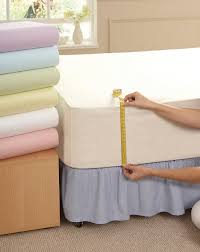
Pocket depths generally fall into two bands: standard depths around 8 to 14 centimetres suit most mattresses without toppers, while deep pockets in the 35 to 45 centimetre range are built for thicker mattresses and mattress-plus-topper combinations. If you’ve added a topper or upgraded to a taller mattress, a Deep Fitted Sheet Upgrade | 18 inches prevents the frustrating scenario of a sheet corner popping off mid-sleep.
A few practical fixes if your current fitted sheet fights you:
- Sheet straps or suspenders can rescue a slightly-too-large sheet without buying a new one.
- Replacing worn elastic yourself is possible, though matching a deeper pocket size is usually simpler.
- Full-perimeter elastic tends to hold a snugger fit over time than corner-only elastic on thicker mattresses.
Which fabric feels best for your sheets?
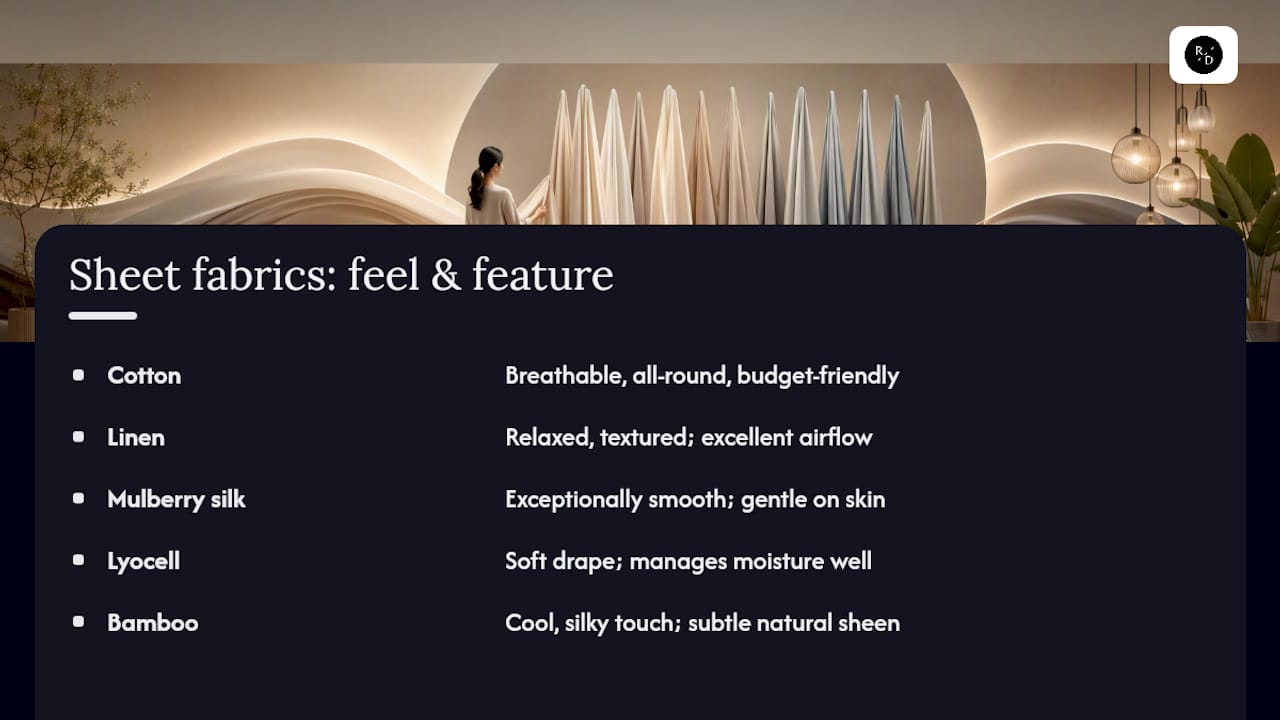
Fabric changes how any sheet, fitted or flat, feels against your skin and how it behaves over years of washing. Cotton offers a breathable, all-round feel that suits most bedrooms and most budgets. Linen brings a relaxed, textured look with excellent airflow, ideal for anyone who runs warm. Mulberry silk feels exceptionally smooth and gentle against skin and hair. Lyocell drapes softly and manages moisture well. Bamboo adds a cool, silky touch with a subtle natural sheen.
For warm sleepers who want a casual, lived-in look, linen or a percale weave in cotton delivers a crisp, breathable finish. For a silkier, more polished hotel-style layer, a sateen weave paired with a higher thread count delivers real depth of softness and a luxurious drape night after night.
Higher thread counts, generally in the 400 to 1000 range, are worth seeking out if a smoother, richer hand-feel and a more indulgent bedroom aesthetic matter to you. These finer weaves tend to soften further with each wash and hold their finish over years of use, making them a genuine long-term investment in comfort. Roomie Design’s premium bedding materials guide breaks down each fibre in more depth if you want to match fabric to your specific bedroom.
How often should you wash bed sheets?
Sheets, fitted or flat, should be washed weekly to keep skin oils, sweat and dust mites from building up. That single-week rule is the most widely recommended cadence for anything in direct contact with your skin overnight.
Duvet covers can stretch further between washes, often every two to three weeks, and using a flat sheet is exactly what makes that longer gap possible, since the flat sheet is absorbing most of what would otherwise land on the duvet cover.
A few care habits protect both fabric and elastic longevity:
- Wash on a warm rather than hot cycle to protect fibres and stop elastic degrading early.
- Use a moderate amount of detergent, since excess residue can stiffen fabric over time.
- Avoid overloading the machine, which stops sheets rinsing cleanly and shortens their working life.
Flat sheets fold into neat, flat rectangles for storage, while fitted sheets are notoriously fiddlier thanks to their elasticated corners. Tucking one corner inside another before folding makes the process far less frustrating.
Roomie Design perspective: choosing sheets for a premium bedroom
The fitted versus flat debate isn’t really about picking a winner. It’s about matching sheet type to how you actually sleep, and the options are grouped around exactly that logic rather than treating every mattress as identical.
A tall mattress or one with a topper calls for a Deep Fitted Sheet Upgrade | 18 inches, built specifically so the pocket doesn’t strain or slip. For a household that wants that layered, hotel-finished look, a Vintage Luxury Sheet delivers the richer drape a flat top layer needs. And if one sheet in your set wears before the rest, or you simply want a spare on hand, an Additional Matching Sheet keeps the whole set consistent rather than mismatched.
For deeper detail on fabric choice and sizing, Roomie Design’s guide to explaining bed linen grades is worth a read before you buy.
— Roomie Design
Shop the right sheets for your bed at Roomie Design
This guide is turned into a straightforward shortlist instead of endless scrolling: tall mattress or topper, pick the Deep Fitted Sheet Upgrade; want a crisp hotel-style top layer, pick the Vintage Luxury Sheet; need a spare or matching piece, add the Additional Matching Sheet.
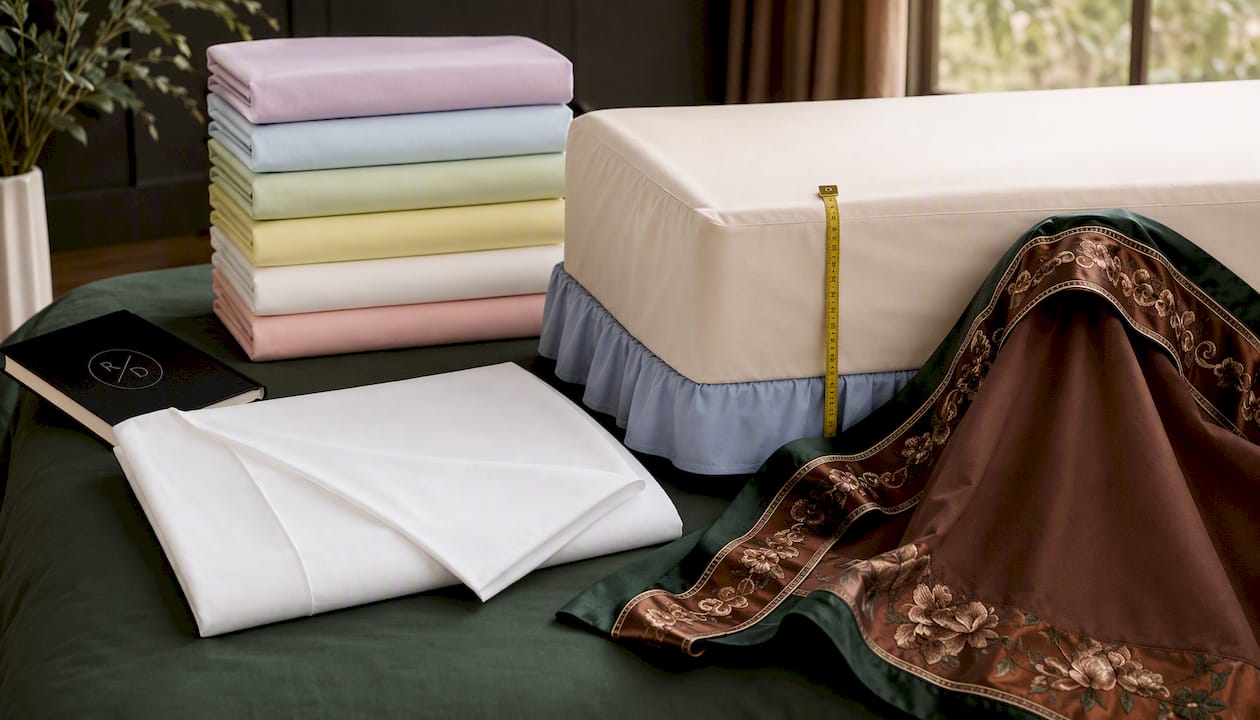
Buying is genuinely three steps. Measure your mattress height including any topper. Choose the pocket depth and fabric that match how you sleep, whether that’s a breathable everyday cotton or a richer, high thread count finish. Then browse the full Sheets collection to complete your set, and check the Duvet Cover Sets if you’re building your bedroom from scratch. If you’re also assembling first-home essentials, this apartment checklist is a handy companion piece to work through alongside your bedding choices.
Sources
- Flat vs. Fitted Sheets: Why You Need Both - Sleep Foundation
- How often should you wash your bedding? - Everyday Health
- Fitted vs flat sheets: which is best, according to experts - Ideal Home
- Flat Sheet vs Fitted Sheet | Castlery blog
FAQ
Why do some people, including Gen Z, skip the top sheet?
Skipping a flat sheet is largely a convenience choice that saves a laundry step and simplifies bed-making, though it means washing the duvet cover more often to stay fresh.
What is the actual purpose of a fitted sheet?
A fitted sheet protects your mattress directly and gives you a smooth, secure sleeping surface, using elastic to stay anchored in place through the night.
Why do hotels use flat sheets instead of fitted sheets alone?
Flat sheets let housekeeping remake beds quickly and create a crisp, layered look that guests associate with a well-kept hotel room.
Is a flat sheet the same thing as an unfitted sheet?
Yes. A flat sheet is simply a plain rectangular sheet with no elastic or shaping, distinct from a fitted sheet, which is cut and elasticated to hug the mattress corners.
Do I need both a fitted and a flat sheet?
Not strictly, but using both gives you better mattress protection and a duvet cover that needs washing far less often, which is why Roomie Design’s Sheets collection offers matching sets built for exactly that pairing.


