Top luxury bedding trends for 2026: your upgrade guide
TL;DR:
- Luxury bedding in 2026 emphasizes performance, responsible sourcing, and sustainability over traditional thread counts. Key materials include organic cotton, TENCEL Lyocell, linen, hemp, bamboo lyocell, and silk, with certifications ensuring quality and eco-friendliness. Color trends favor earth tones with layered textures creating depth, while innovative tech like phase-change materials enhances comfort sustainably.
Every season, the bedding market resets. New fabrics, new certifications, new colour stories. And every season, choosing genuinely luxurious bedding gets a little more complicated. Thread count used to be the only number worth knowing. Now you need to understand weave types, sustainability credentials, phase-change coatings, and texture layering before you can confidently pick a duvet cover. This guide cuts through the noise. It covers the materials, colours, textures, and technologies that actually define luxury bedding in 2026, giving you a clear framework for making the right choice for your bedroom and your sleep.
Table of Contents
- What defines luxury bedding in 2026?
- The 2026 must-have luxury bedding materials
- Trending colours and textures in luxury bedding
- Smart and sustainable: technology in luxury bedding
- Our take: what actually makes a bedding upgrade feel luxurious?
- Elevate your sleep with Roomie Design luxury bedding
- Frequently asked questions
Key Takeaways
| Point | Details |
|---|---|
| Sustainable materials lead | Eco-friendly fabrics and verified certifications define luxury in 2026. |
| Rich colours and layered textures | Earthy tones and tactile combinations refresh bedroom styling this year. |
| Smart technology enhances comfort | Advanced materials ensure cool, customisable sleep without sacrificing style. |
| Personal comfort matters most | Choose trends that suit your sleep needs as well as your home’s aesthetic. |
What defines luxury bedding in 2026?
With the foundation set, we can now identify what characteristics define true luxury in the bedding world of 2026.
Luxury bedding used to mean high thread count Egyptian cotton and little else. In 2026, the definition is broader and more exacting. Genuine luxury now means material performance, responsible sourcing, and verified quality, all working together.
Sustainability now dominates luxury bedding for 2026, with eco-friendly materials including organic cotton, TENCEL Lyocell, linen, hemp, and recycled polyester at the forefront. Third-party certifications such as GOTS (Global Organic Textile Standard), OEKO-TEX, and GRS (Global Recycled Standard) back up these claims with independent verification.
When choosing bedding, use these as your checklist:
- Material origin: Organic or sustainably farmed fibres
- Certification: GOTS, OEKO-TEX Standard 100, or GRS labels
- Performance: Breathability, moisture-wicking, temperature regulation
- Durability: Construction quality, reinforced stitching, wash resilience
- Adaptability: Suitable for layering across seasons
Luxury in 2026 is not just about feel. It is about knowing exactly what your bedding is made from, how it was produced, and how it will perform night after night.
Supporting luxurious wellness at home extends well beyond furniture choices. Bedding is the foundation of your daily recovery environment, and it deserves the same scrutiny you would apply to any premium purchase.
The 2026 must-have luxury bedding materials
Now that the benchmarks for quality and sustainability are clear, let us explore the trendiest materials reshaping luxury bedding this year.
Not all premium fabrics are equal. Each material has strengths suited to specific sleep needs. Here is a breakdown of the six most significant fabrics in luxury bedding right now.
| Material | Key benefits | Best for | Watch out for |
|---|---|---|---|
| Organic cotton | Soft, durable, widely certified | All sleepers, year-round | Thread count claims without certification |
| TENCEL Lyocell | Cooling, moisture-wicking, smooth | Hot sleepers, sensitive skin | Blended versions with less Lyocell content |
| Linen | Breathable, textured, long-lasting | Hot sleepers, humid climates | Stiffness until broken in after washing |
| Hemp | Durable, naturally antimicrobial | Allergy sufferers | Limited design variety at premium end |
| Bamboo lyocell | Silky, sustainable if verified | Eco-conscious buyers | Verify closed-loop processing certifications |
| Mulberry silk | Ultra-smooth, temperature regulating | Luxury sleepers, dry skin | High price point, specialist care required |
Experts recommend balancing sustainability with performance: linen and TENCEL Lyocell suit hot sleepers particularly well, third-party certifications should always be verified rather than taken at face value, and layering fabrics delivers year-round adaptability.
For allergy sufferers, hypoallergenic linen and TENCEL offer antimicrobial properties that reduce irritants naturally. Bamboo lyocell is a strong sustainability choice but requires closed-loop processing verification to ensure its eco credentials are genuine.
Key buying priorities by sleeper type:
- Hot sleepers: Linen, TENCEL Lyocell, or bamboo lyocell
- Allergy sufferers: Hemp, linen, or TENCEL Lyocell with antimicrobial properties
- Luxury seekers: Mulberry silk or 600+ thread count long-staple organic cotton
- Eco-conscious buyers: GOTS-certified organic cotton or verified bamboo lyocell
- Sensitive skin: TENCEL Lyocell or high-grade mulberry silk
Pro Tip: Layer a linen duvet cover over a TENCEL fitted sheet for a combination that handles both warm and cool nights without switching your full bedding between seasons. For bedding design ideas that work across materials, it helps to see how fabrics translate into real bedroom settings.
Trending colours and textures in luxury bedding
With an understanding of materials, it is time to turn to the visual and tactile aspects that set 2026’s luxury bedding apart.
Colour in the bedroom is moving in a very clear direction. Cool whites, icy greys, and stark neutrals are stepping back. Warm earth tones now lead 2026 palette choices: burgundy, terracotta, deep greens including sage and olive, chocolate browns, warm taupes, and plums are the dominant shades.
These colours work because they add depth without demanding attention. A chocolate brown sateen duvet set reads as grounded and considered. Sage green linen instantly shifts a room’s mood towards calm and natural. Plum velvet accessories signal richness without overstatement.
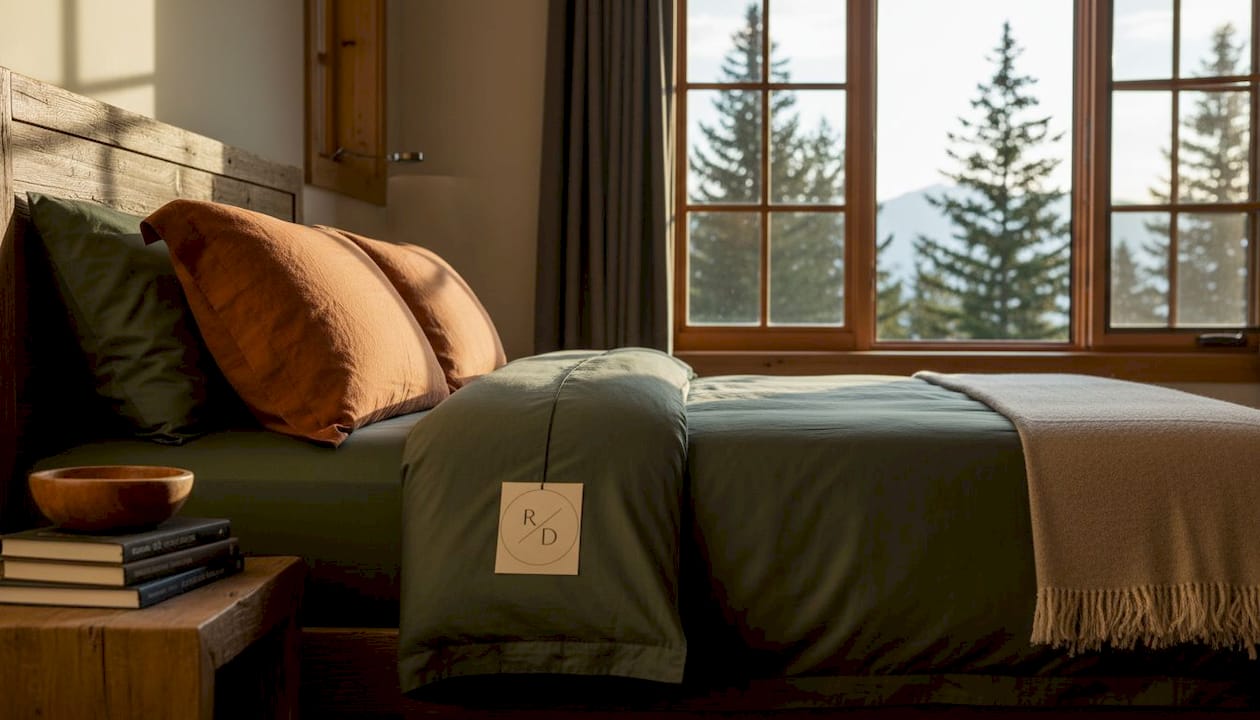
On the texture side, layering different weaves is the defining technique of 2026: combining sateen with linen, matelassé quilting, waffle weaves, and plush upholstery creates depth and a sense of considered styling. The cocooning effect, rich drapery paired with tactile bedding, is a recurring theme across bedroom design forecasts.
| Colour | Best texture pairing | Mood created |
|---|---|---|
| Terracotta | Waffle weave or linen | Warm, grounded, organic |
| Sage green | Matelassé or sateen | Calm, natural, spa-like |
| Burgundy | Velvet or jacquard | Rich, dramatic, cosy |
| Chocolate brown | Sateen or quilted | Sophisticated, restful |
| Warm taupe | Linen or cotton percale | Minimal, timeless, clean |
| Plum | Velvet trim or sateen | Luxurious, bold, enveloping |
Texture-layering steps worth knowing:
- Start with a base sheet in sateen or percale for smoothness against skin
- Add a duvet cover in linen or matelassé for visual interest
- Layer a waffle or quilted throw at the foot of the bed for dimension
- Use cushions in velvet or jacquard to anchor the colour palette
For guidance on layering bedding across textures and seasons, a structured approach makes a real difference to the final look. And if you want to see how these palettes come together practically, styling luxurious bedding for different bedroom aesthetics is a useful reference point.
Smart and sustainable: technology in luxury bedding
Beyond aesthetics, luxury bedding in 2026 offers real technological improvements to comfort and sustainability.
The technology built into premium bedding is no longer a gimmick. Two developments stand out as genuinely useful.
Phase-change materials (PCMs) are microcapsules embedded into fabric that absorb and release heat to keep your sleep temperature stable. PCMs regulate temperature by absorbing body heat when you are too warm and releasing it when the ambient temperature drops. The result is a more consistent sleep environment, particularly useful for those who tend to overheat in the first half of the night.
Repairability and take-back programmes are the second major development. Brands that offer repair services, spare parts, or textile recycling programmes are signalling a genuine commitment to long-term product quality, not just a first-wash impression. This is worth factoring into purchasing decisions.
How to assess bedding tech without falling for marketing claims:
- Ask for independent test results, not just brand descriptions of PCM performance
- Check whether the take-back programme applies to all products or only specific ranges
- Confirm that PCM coatings do not compromise the breathability of the base fabric
- Verify that any antimicrobial treatments are silver-ion based rather than chemical finishes
- Look for durability data: how many wash cycles does the technology remain effective for?
For more detail on making an informed choice around bedding for stylish comfort, factoring in both technology and aesthetics matters. Maximising home comfort across your sleep environment is part of the same broader approach.
Pro Tip: Avoid dense PCM coatings on lightweight fabrics. A thin linen weave with a heavy coating loses the breathability that made linen worth buying in the first place.
Our take: what actually makes a bedding upgrade feel luxurious?
Here is an observation worth considering. Most people who upgrade their bedding focus on what they can see: colour, pattern, texture. Far fewer think carefully about year-round usability, care requirements, or whether a specific fabric genuinely suits how they sleep.
Chasing trends produces beautiful-looking beds that feel wrong in July or pill after six months. Real luxury comes from selecting materials that perform consistently, care for easily, and hold their quality over years. A single well-chosen organic cotton duvet cover set that launders well and keeps its colour through 200 washes delivers more practical luxury than a seasonally trendy set that looks tired by spring.
The common pitfalls are worth naming directly. Over-layering is the most frequent: adding too many textures creates visual noise rather than depth. Ignoring personal sleep preferences in favour of style trends is the second. If you sleep warm, a heavy sateen in dark burgundy might photograph beautifully but serve you poorly.
When you want to transform your bedroom, start with what your body needs, then layer style decisions over that foundation. That sequence, comfort first, aesthetics second, is what separates a genuinely luxurious sleep environment from one that simply looks the part.
Elevate your sleep with Roomie Design luxury bedding
Ready to bring 2026’s best bedding trends into your own bedroom? Roomie Design’s curated collections make it straightforward to find exactly the right combination of material, colour, and design.
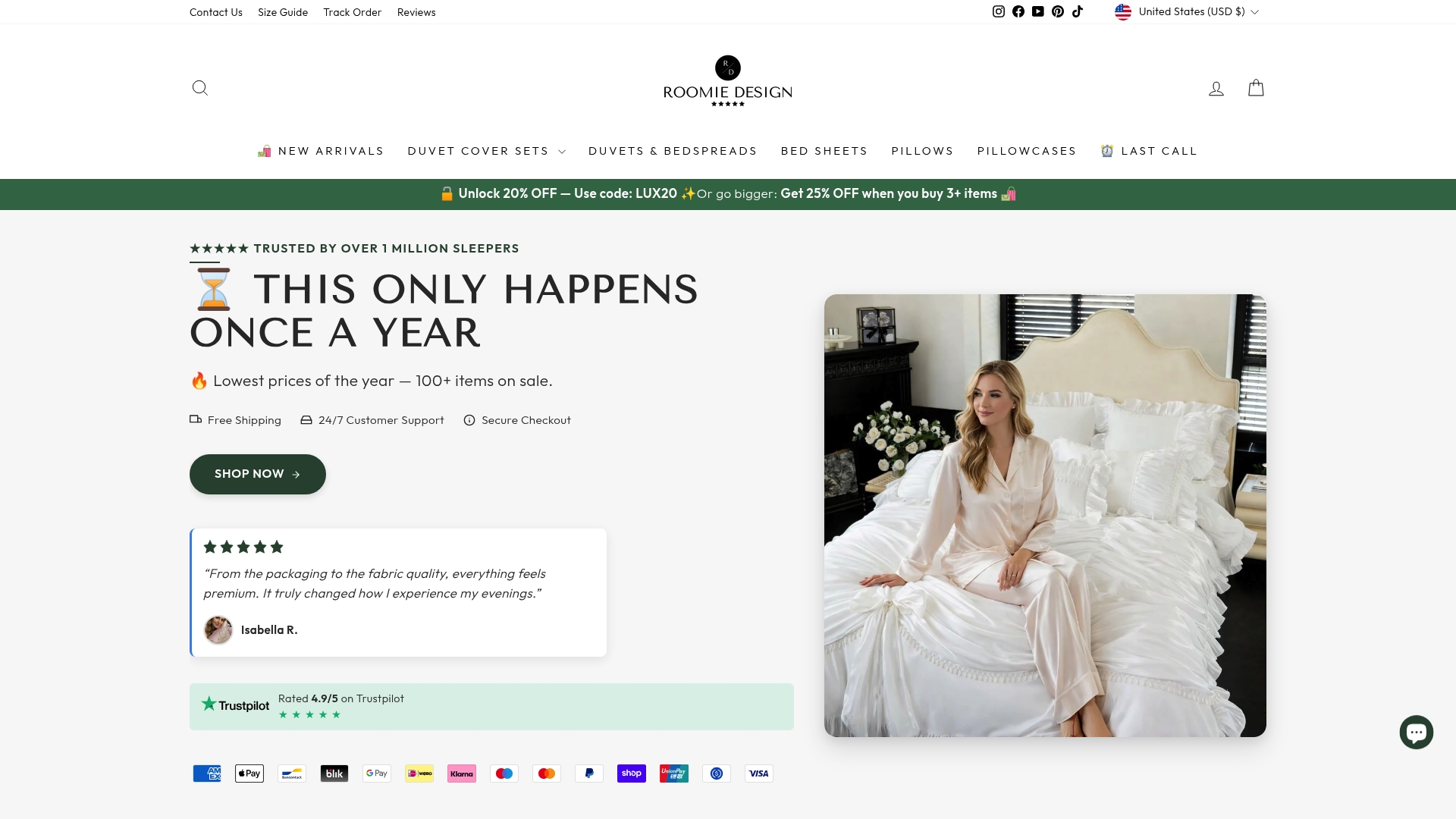
The Aristocrat Gold bedding set captures 2026’s rich-tone aesthetic with premium construction. For a cleaner, minimal approach, the Linear Cream bedding delivers understated quality in a versatile neutral. If high thread count performance is the priority, the Prestige Beige duvet at 1000 TC offers exceptional smoothness and durability. Browse by fabric, size, or design style to match the collections to your specific sleep needs and bedroom aesthetic.
Frequently asked questions
What is the best luxury bedding material for hot sleepers?
Linen and TENCEL Lyocell are the top choices for hot sleepers, as both fabrics offer excellent breathability and moisture-wicking properties that regulate temperature through the night.
How can I tell if luxury bedding is truly eco-friendly?
Check for third-party certifications. GOTS, OEKO-TEX, and GRS independently verify environmental and safety standards, so they are far more reliable than unverified brand claims.
What colour bedding is most on-trend for 2026?
Earth tones lead 2026 palettes: burgundy, terracotta, sage green, chocolate brown, warm taupe, and plum are all strong choices, moving well away from the cool whites and greys of recent seasons.
Is high-tech bedding worth it for comfort?
Phase-change materials can meaningfully improve sleep temperature regulation, but always confirm the coating does not reduce the fabric’s breathability. Dense PCM coatings on lightweight fabrics can negate the natural performance benefits you are paying for.


