

Bedding essentials for new homes: a complete checklist
TL;DR:
- The essential bedding items for a new home include a quality mattress, protector, sheets, pillows, and a duvet to ensure comfort and protection from the start. Prioritizing the mattress and its protector first guarantees better sleep quality and safeguards warranties, while choosing appropriate bedding materials aligns with individual sleep preferences. A phased approach to purchasing bedding, along with thoughtful selection of accessories, helps create a functional, comfortable, and stylish bedroom over time.
Bedding essentials for new homes are defined as the core sleep items required to make a bedroom functional, comfortable, and stylish from the first night. The list begins with a quality mattress and mattress protector, then builds outward to sheets, pillows, duvets, and finishing accessories. Getting this order right saves money, protects your purchases, and means you sleep well from day one rather than making do for weeks. This guide covers every item in priority order, with material guidance, budget ranges, and practical tips drawn from real bedding expertise.
1. Mattress and mattress protector: your day-one priorities
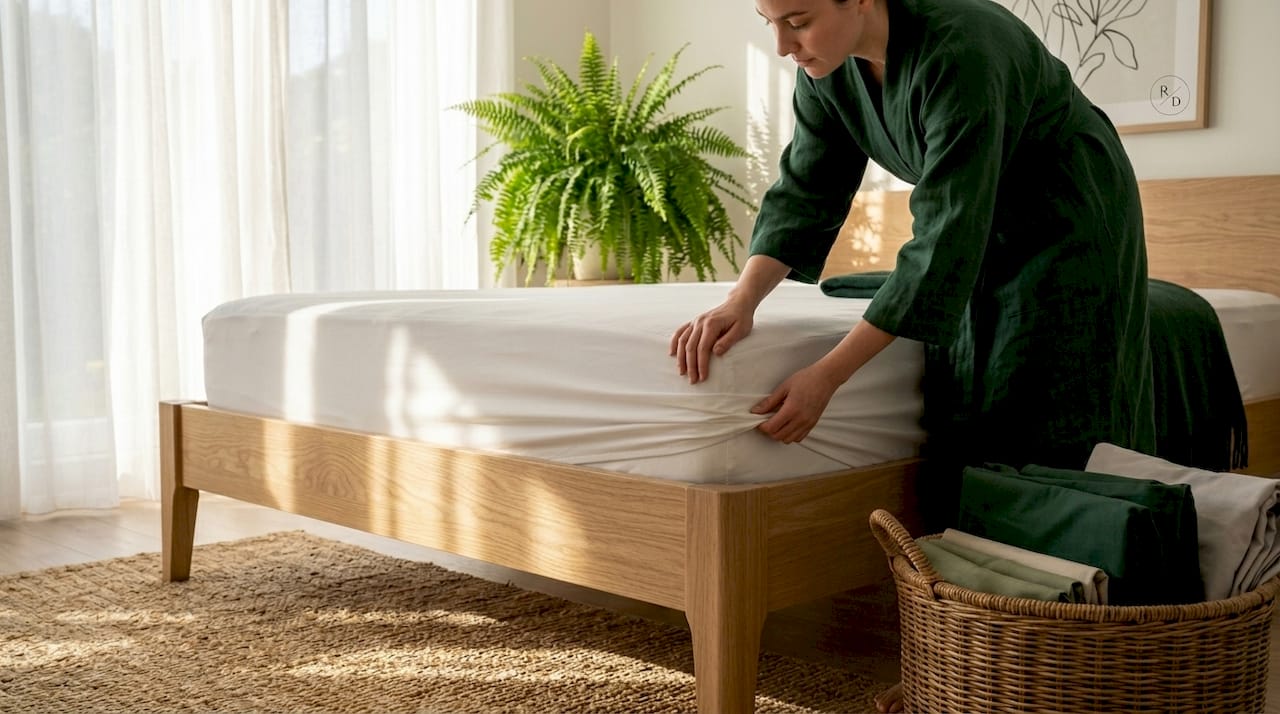
The mattress is the single most important bedroom investment you will make, and it directly determines your sleep quality for the next eight to ten years. Starter bedroom budgets typically range from £1,200 to £2,400, with the mattress accounting for the largest share of that spend. Prioritise this purchase before anything else, and arrange delivery for moving day or the day before.
A mattress protector is not optional. Mattress warranties almost universally exclude stains, meaning a single spill before you fit a protector can void your entire warranty claim. Think of the protector as part of the mattress’s paperwork: it goes on before first use, without exception.
Protector types vary by need:
- Fitted sheet style: The most common option. Balances breathability, protection, and ease of use for most buyers.
- Full encasements: Cover all six sides of the mattress. Best choice for allergy sufferers or those concerned about dust mites.
- Quilted padded protectors: Add a layer of cushioning alongside protection.
- Cooling variants: Designed for hot sleepers who want temperature regulation alongside waterproofing.
Quality protectors cost roughly £35 to £95, which is a modest outlay relative to the mattress investment they protect.
Pro Tip: Fit your mattress protector before you put on any sheets. Once the mattress is made up and slept on without a protector, any staining that occurs is permanent and may affect your warranty.
2. Sheets: how to choose bedding that suits your sleep style
Sheets are the bedding item you feel most directly, every single night. No single sheet type suits all sleepers; the right choice depends on your sleep temperature, texture preference, and how you want your bedroom to look and feel.
The table below covers the main sheet materials and their key characteristics:
| Material | Feel | Best for | Notes |
|---|---|---|---|
| Percale cotton | Crisp, cool | Hot sleepers | Breathable and durable |
| Sateen cotton | Silky, smooth | Those who prefer softness | Warmer feel than percale |
| Egyptian cotton | Luxuriously soft | Premium comfort | Long-staple fibres for strength |
| Linen | Textured, relaxed | Warm climates | Softens with each wash |
| Microfibre | Smooth, budget-friendly | Cost-conscious buyers | Less breathable than cotton |
| Flannel | Warm, brushed | Cold sleepers | Ideal for winter months |
High thread count sheets in the 400 to 1000 TC range deliver premium softness, durability, and a refined feel that improves with washing. Egyptian cotton and long-staple cotton varieties sit at the top of this range, producing fabrics that are both smooth and long-lasting. For a deeper look at sheet quality and how it affects your sleep, it is worth reading up before you buy.
Seasonal rotation is also worth planning from the outset. Lighter percale or linen sheets work well in spring and summer, while flannel or sateen sets come into their own in cooler months.
Pro Tip: Buy two sheet sets from the start. Washing one set while using the other means you always have a clean set ready, which encourages more frequent laundering and extends the life of both sets.
3. Pillows: quantities, types, and replacement timelines
Pillows are the most overlooked item on most bedding checklists, yet they directly affect neck support, spinal alignment, and sleep quality. The minimum recommendation is two pillows per person, with at least four pillows per bed giving you a rotation set for hygiene and convenience.
Pillow types differ in lifespan and feel:
- Fibre fill pillows: Soft and affordable. Typical lifespan of one to two years before support degrades noticeably.
- Memory foam pillows: Firmer and more supportive. Last approximately three years with regular use.
- Down and down alternative pillows: Soft and mouldable. Hypoallergenic versions suit sensitive sleepers well.
Sleep position matters when selecting loft and firmness. Side sleepers need a higher loft to fill the gap between shoulder and head, and they compress pillows faster due to lateral pressure. Back sleepers do well with medium loft, while stomach sleepers generally need a flatter, softer option.
Pillow replacement is best judged by support loss rather than a fixed date. If a pillow folds in half without springing back, it has lost its structural integrity and should be replaced. Pillow protectors, fitted beneath the pillowcase, extend lifespan and protect against sweat and allergens.
Pro Tip: Add pillow protectors to your day-one shopping list alongside the pillows themselves. They add minimal cost but meaningfully extend the life of each pillow.
4. Duvet or comforter: choosing the right warmth level
A duvet is the centrepiece of your bed’s visual and thermal comfort. The key variable is tog rating: lower togs (4.5 to 7.5) suit warmer sleepers and summer months, while higher togs (10.5 to 13.5) provide warmth through autumn and winter. All-season duvets combine two layers that button together, giving flexibility across the year without buying multiple products.
Fill type affects both feel and price. Down fill is lightweight and warm, with a soft, cloud-like feel. Synthetic fills are more affordable, easier to wash at home, and suit allergy sufferers. Wool and cotton fills offer natural temperature regulation and are a practical choice for those who sleep warm.
Duvet covers protect the duvet and define the bedroom’s visual style. A quality duvet cover set in linen, cotton, or a high thread count fabric transforms the look of the entire room. Choosing a cover that complements your sheet set creates a cohesive, considered bedroom aesthetic from the start.
5. Blankets and throws: layering for comfort and style
Blankets and throws serve a dual purpose: they add warmth when needed and act as a styling layer over the bed. A knitted or woven throw folded at the foot of the bed adds texture and visual depth without requiring a full bedding overhaul.
For practical warmth, a lightweight cotton or wool blanket works well as a mid-layer between the sheet and duvet. This is particularly useful in transitional seasons when a full duvet feels too warm but a sheet alone is insufficient. Layering gives you control over temperature without changing your entire bedding setup.
From a style perspective, throws in contrasting colours or complementary textures are one of the simplest ways to update a bedroom’s look. They are also easy to swap out as your taste evolves, making them a low-commitment way to refresh the room.
6. Blackout curtains: a sleep tool, not a luxury
Blackout curtains control the light entering your bedroom, which directly affects sleep quality. Light disturbance from streetlights or early sunrise disrupts circadian rhythms and reduces sleep depth. Quality blackout curtains cost approximately £35 to £80 and are considered a functional sleep item rather than a decorative afterthought.
For new homes, fitting blackout curtains before the first night is worth prioritising, particularly if the bedroom faces a street or receives strong morning light. Thermal-lined blackout curtains also provide insulation, reducing heat loss in winter and keeping the room cooler in summer.
7. Bedroom furniture and lighting: supporting the essentials
A bedside table and lamp are the two furniture items that most directly support your bedding setup. A lamp with a warm, dimmable bulb allows you to wind down without the harsh light of overhead fittings, which supports the transition to sleep. A bedside table gives you a surface for water, a book, or your phone without disrupting the bed itself.
These items do not need to be purchased on day one, but they should be on your list for the first two to four weeks. Prioritise the mattress, protector, sheets, and pillows first, then add furniture as budget allows.
8. How to budget and phase your bedding purchases
A phased approach to buying bedding keeps costs manageable and ensures the highest-impact items are in place first. The suggested timeline below reflects priority order rather than personal preference:
- Day one: Mattress, mattress protector, two pillows per person, and one sheet set.
- Week one to two: Second sheet set, duvet with cover, pillow protectors, and blackout curtains.
- Month one to two: Additional throws or blankets, bedside furniture, and any decorative accessories.
Budget expectations vary by product tier. A starter setup covering mattress, protector, sheets, and pillows sits in the £1,200 to £2,400 range. A premium setup with high thread count sheets, a quality duvet, and linen or Egyptian cotton covers adds to this figure but delivers a noticeably superior sleep experience over the long term.
Rotating two sheet sets and maintaining at least four pillows per bed, as noted in practical first-home checklists, extends the life of your bedding and keeps hygiene consistent without extra effort.
What I have learnt about building a bedroom from scratch
Having worked with bedding products across every price point and material type, the one mistake I see most often is spending too little on the mattress and too much on accessories too early. The mattress and protector are the foundation. Everything else is layered on top, and you can upgrade it gradually without losing sleep quality in the meantime.
Sheets and pillows are where personal preference matters most. A bedding materials guide can help you understand the difference between linen, percale, and sateen before you commit, but ultimately you need to know whether you sleep hot or cold, and whether you prefer a crisp or silky feel. Those two answers narrow the field considerably.
The other thing worth saying plainly: do not rush the furniture and accessories. A well-made bed with quality sheets and the right pillows looks and feels complete even in an otherwise bare room. Patience with the secondary items means you choose them thoughtfully rather than reactively.
— Roomie
Complete your bedroom with Roomie-design’s premium bedding range
Roomie-design stocks a curated selection of bedding sets built around natural fibres, high thread counts, and considered design. Whether you are setting up a first home or upgrading an existing bedroom, the range covers every item on this checklist.

The natural linen bedding set offers breathable, relaxed comfort in 100% linen, ideal for those who prefer a textured, organic feel. For a more refined finish, the 1000 TC luxury duvet set delivers exceptional softness in a high thread count cotton weave. Hypoallergenic pillow options and a full range of duvet cover styles are also available. Browse the complete collection at Roomie-design to find bedding that matches both your sleep needs and your bedroom aesthetic.
FAQ
What are the first bedding items to buy for a new home?
A mattress, mattress protector, pillows, and at least one sheet set are the day-one priorities for any new bedroom. These four items cover immediate sleep comfort and protect your mattress investment from the outset.
How often should pillows be replaced?
Fibre pillows last one to two years; foam pillows last approximately three years. Replace any pillow that folds in half without springing back, as it has lost the support needed for proper alignment.
What sheet material is best for hot sleepers?
Percale cotton is the standard recommendation for hot sleepers due to its crisp, breathable weave. Linen is also an excellent choice, as it regulates temperature naturally and softens with each wash.
Do I need a mattress protector if my mattress is new?
A mattress protector is most critical when the mattress is new. Stains void most mattress warranties, so fitting a waterproof protector before first use is the only way to preserve your warranty coverage.
How many sheet sets should I own?
Two sheet sets per bed is the practical minimum. Rotating between sets means you can wash one while using the other, which encourages more frequent laundering and extends the life of both.


