Explaining bed linen grades: a guide to sleep quality
TL;DR:
- Most shoppers focus on thread count when choosing bed sheets, but fibre type and weave construction are more critical for quality. Bed linen grades depend on fibre origin, staple length, and finishing processes, which influence feel, durability, and breathability. Understanding these factors helps buyers select sheets that offer better comfort and longevity instead of relying solely on inflated thread count numbers.
Most shoppers pick bed sheets based on thread count alone, assuming higher numbers equal better quality. It is one of the most persistent misconceptions in bedding, and explaining bed linen grades properly requires looking far beyond that single figure. Fibre type, staple length, and weave construction all shape how a sheet feels, breathes, and wears over years of use. Get these right, and your sleep quality and bedroom aesthetic both benefit considerably. Get them wrong, and an expensive purchase can still leave you hot, rough, or disappointed.
Table of Contents
- Understanding the basics of bed linen grades
- How fibre type influences quality and comfort
- Decoding thread count and weave: what really matters
- Practical tips for choosing bed linens that suit your sleep and style
- Summary comparison of bed linen grades and their benefits
- Why focusing solely on thread count limits your bedding choice
- Explore luxury bed linens to elevate your bedroom
- Frequently asked questions
Key Takeaways
| Point | Details |
|---|---|
| Thread count is not the only quality indicator | Fibre type, staple length, and weave construction are more crucial than thread count for bed linen quality. |
| Fibre choice affects feel and durability | Egyptian cotton and linen offer superior softness and longevity compared to standard fibres. |
| Percale and sateen weaves suit different sleepers | Percale is crisp and breathable; sateen provides a silky, warmer finish. |
| Linen requires an adjustment period | Though initially crisp and wrinkly, linen softens considerably after several washes. |
| Choose bedding based on personal comfort and style | Understanding grades helps you select linens that improve both sleep quality and bedroom aesthetics. |
Understanding the basics of bed linen grades
Bed linen grades are not a single, standardised system. They reflect a combination of factors: fibre origin, yarn quality, weave type, and finishing processes. Thread count measures the number of threads woven per square inch of fabric, both vertically and horizontally. It is one data point, not a verdict on overall quality.
Sheet quality testing involves balancing softness, durability, and breathability together, not simply ranking by thread count numbers. Understanding this shifts how you evaluate any sheet on the market.
The key components that define bed linen grade include:
- Fibre type: Cotton, linen, bamboo, lyocell, and silk all perform differently in terms of feel, temperature regulation, and longevity.
- Staple length: Longer fibres spin into finer, stronger yarns. Short-staple fibres produce rougher, weaker fabric.
- Weave construction: Percale, sateen, and twill each create distinct textures and thermal properties.
- Yarn ply: Single-ply yarns are generally superior to multi-ply at the same stated thread count.
- Finishing: Pre-washing, mercerisation, and other treatments affect softness and shrinkage from day one.
Learning the secrets behind luxurious bed linens starts with recognising that grade is always a combination of these elements, never one figure in isolation.
How fibre type influences quality and comfort
Fibre choice is where bed linen grades are really won or lost. Two sheets can share identical thread counts but feel entirely different simply because of what they are made from.
Cotton is the most widely used bedding fibre. Long-staple varieties such as Egyptian and Pima cotton produce smooth, strong yarns that soften with every wash. Short-staple cotton, used in budget sheets, feels coarser and pills faster. Fibre type and staple length outperform thread count consistently, meaning a 300-count long-staple sheet will outperform a 1,200-count short-staple blend on both feel and durability.
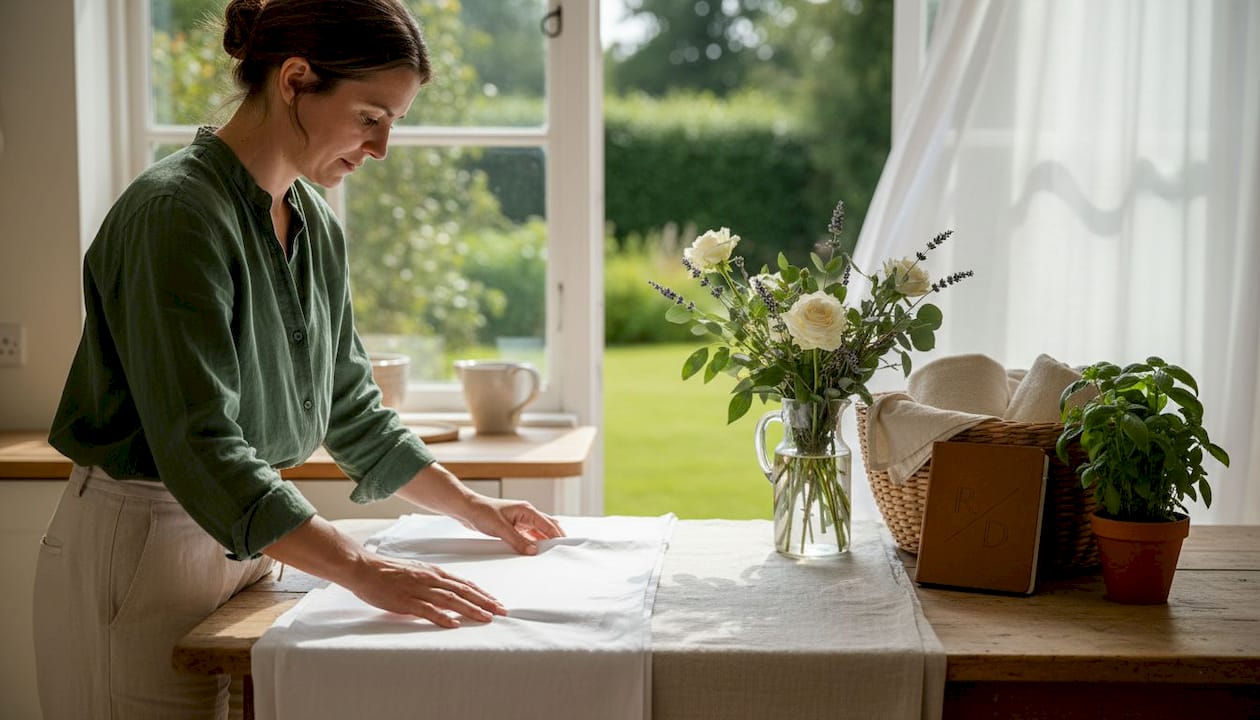
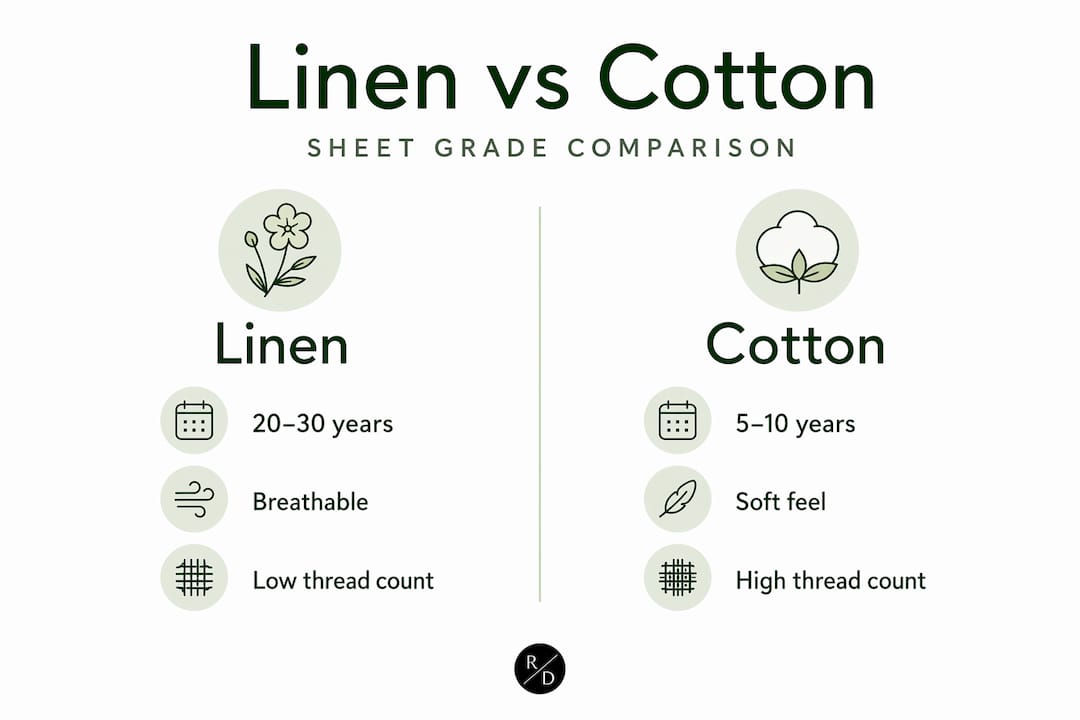
Linen is made from flax plant fibres and sits in a different performance category altogether. Linen sheets last 20 to 30 years compared to 5 to 10 years for premium cotton, thanks to the exceptional strength of flax fibres combined with natural moisture-wicking. Linen feels firmer initially but softens significantly after several washes.
| Feature | Long-staple cotton | Linen (flax) |
|---|---|---|
| Initial feel | Soft, smooth | Firm, slightly textured |
| Breathability | Good | Excellent |
| Moisture-wicking | Moderate | Superior |
| Durability | 5 to 10 years | 20 to 30 years |
| Thread count range | 200 to 800+ | 80 to 150 |
| Best for | Year-round comfort | Warm climates, longevity |
Key things to know when choosing by fibre:
- Egyptian and Pima cotton are long-staple; always verify the label rather than relying on marketing.
- Linen wrinkles naturally. This is a feature of the fibre, not a manufacturing fault.
- Bamboo and lyocell offer silky softness with strong moisture management, sitting between cotton and linen in most performance categories.
- Multi-ply cotton yarns inflated to high thread counts do not replicate the feel of genuine long-staple single-ply fabric.
Pro Tip: If a cotton sheet claims a thread count above 800, check whether the yarn is single-ply or multi-ply. Multi-ply yarns twist two or more threads together and count each strand separately, inflating the number without improving the fabric.
Knowing how fibre affects sleep quality is what separates informed buyers from those who overpay for misleading specifications. This is also central to any honest bed linen comparison between premium and standard options.
Decoding thread count and weave: what really matters
Now that fibre is clear, thread count and weave deserve their proper, more limited role in the grading picture.
The optimal thread count range sits between 300 and 500 in single-ply cotton for the best balance of softness, durability, and breathability. Going above this with genuine single-ply yarn is difficult to achieve without compromising the weave structure. Anything claiming 600, 800, or 1,000 threads per inch is almost certainly using multi-ply yarns.
High thread counts reduce breathability, trapping heat in the fabric. For hot sleepers, fabric construction matters far more than a high thread count number.
Here is how to read weave when comparing bed linen grades:
- Percale: A one-over, one-under plain weave. Crisp, cool, and matte in appearance. Ideal for warm sleepers and humid climates. Thread count typically sits between 200 and 400.
- Sateen: A four-over, one-under weave. Smooth, slightly lustrous, and warmer against the skin. Better suited to cooler nights or those who prefer a silkier texture.
- Twill: A diagonal weave structure offering strength and a softer drape. Less common in bed sheets but used in some premium cotton ranges.
- Dobby: A textured weave creating subtle geometric patterns. Decorative as well as functional, adding visual depth to plain colourways.
Understanding weave helps you match bedding to your actual sleeping conditions. Hotel bedding standards typically favour percale and sateen in the 300 to 500 thread count range precisely because these combinations deliver consistent comfort across a wide range of guests.
Pro Tip: If you sleep hot, choose percale in 100% long-staple cotton at 300 to 400 thread count. If you prefer a softer, warmer feel, sateen at 400 to 500 thread count in the same fibre quality is the more suitable choice.
Practical tips for choosing bed linens that suit your sleep and style
Applying understanding linen grades to actual shopping decisions is straightforward once you know what to look for.
- Check the fibre first. Look for confirmed long-staple cotton (Egyptian, Pima, or Supima) or European flax linen. Vague labels like “100% cotton” without staple length information are a warning sign.
- Match weave to sleep temperature. Percale for warm sleepers, sateen for those who want warmth and a smooth finish.
- Ignore thread counts above 800 in cotton. These almost always involve multi-ply yarns and do not deliver better sleep comfort.
- Factor in linen’s break-in period. Linen sheets feel firmer at first. Commit to at least 10 washes before judging comfort level.
- Read care labels before purchasing. Sheets that require specialist cleaning will fade or shrink if washed incorrectly at home.
Sheets tested scientifically are pre-washed once to reveal their true softness and checked for shrinkage after multiple washes. Replicating this standard at home means washing new sheets twice before your first sleep to release factory finishes and pre-shrink the fabric.
Upgrading your bedding pays dividends not just in comfort but in how a bedroom looks and feels overall. Premium fibres hold colour better, drape more elegantly, and maintain their texture season after season. Combine this knowledge with a reliable thread count guide and your shopping decisions become much more confident.
Pro Tip: When in doubt between two options at similar price points, choose the one with clear fibre and origin information. Transparency about materials is one of the strongest indicators of genuine quality.
Summary comparison of bed linen grades and their benefits
| Material | Thread count range | Durability | Feel | Best use case |
|---|---|---|---|---|
| Long-staple cotton (percale) | 200 to 400 | 5 to 10 years | Crisp, cool, breathable | Warm sleepers, year-round use |
| Long-staple cotton (sateen) | 300 to 500 | 5 to 10 years | Smooth, lustrous, warm | Cool sleepers, luxury aesthetic |
| European flax linen | 80 to 150 | 20 to 30 years | Textured, softens with use | Hot climates, investment bedding |
| Bamboo/lyocell | 250 to 400 | 5 to 8 years | Silky, cool, draping | Sensitive skin, temperature regulation |
| Multi-ply inflated cotton | 800 to 1,500+ | 2 to 5 years | Variable, often rougher | Low value; generally not recommended |
European flax linen grades typically range from 80 to 150 thread count, which looks low compared to cotton on paper. In practice, these numbers reflect fibre quality and weave structure rather than a lower grade. A 100-thread-count European linen sheet outperforms many 600-count multi-ply cotton sheets in longevity and breathability.
For a full designer bedding comparison that includes finishing techniques and brand standards, the picture becomes even clearer.
Why focusing solely on thread count limits your bedding choice
Thread count became the dominant quality shortcut because it is a single, easy-to-compare number. Retailers used it as a marketing lever, and shoppers accepted it as a proxy for luxury. The result has been decades of inflated numbers and underwhelming sheets.
True premium bedding derives its value from fibre length, weave type, and the finishing processes applied after weaving. A sheet mercerised (a finishing treatment that increases cotton’s lustre and dye uptake) at 350 thread count in Egyptian cotton will outperform and outlast an 800-count multi-ply sheet from undisclosed short-staple cotton. Thread count can be manipulated via multi-ply yarns, producing numbers that do not reflect actual fabric performance.
There is also a comfort cost. Dense weaves trap heat. Sheets with inflated thread counts frequently overheat sleepers who bought them assuming higher meant better. The irony is that the most expensive-looking specification can actively reduce sleep quality.
The smarter approach is to treat thread count as one data point within a larger picture. Read the fibre origin. Note the weave type. Check whether the yarn is single-ply. This is what a proper bed sheet thread count guide teaches, and it is the framework that genuinely separates good bedding from great bedding.
Explore luxury bed linens to elevate your bedroom
Knowing the grades is one thing. Finding bedding that actually delivers them is another. Roomie Design’s collections are built around the same principles covered in this guide: verified premium fibres, honest specifications, and weave choices matched to real comfort needs.
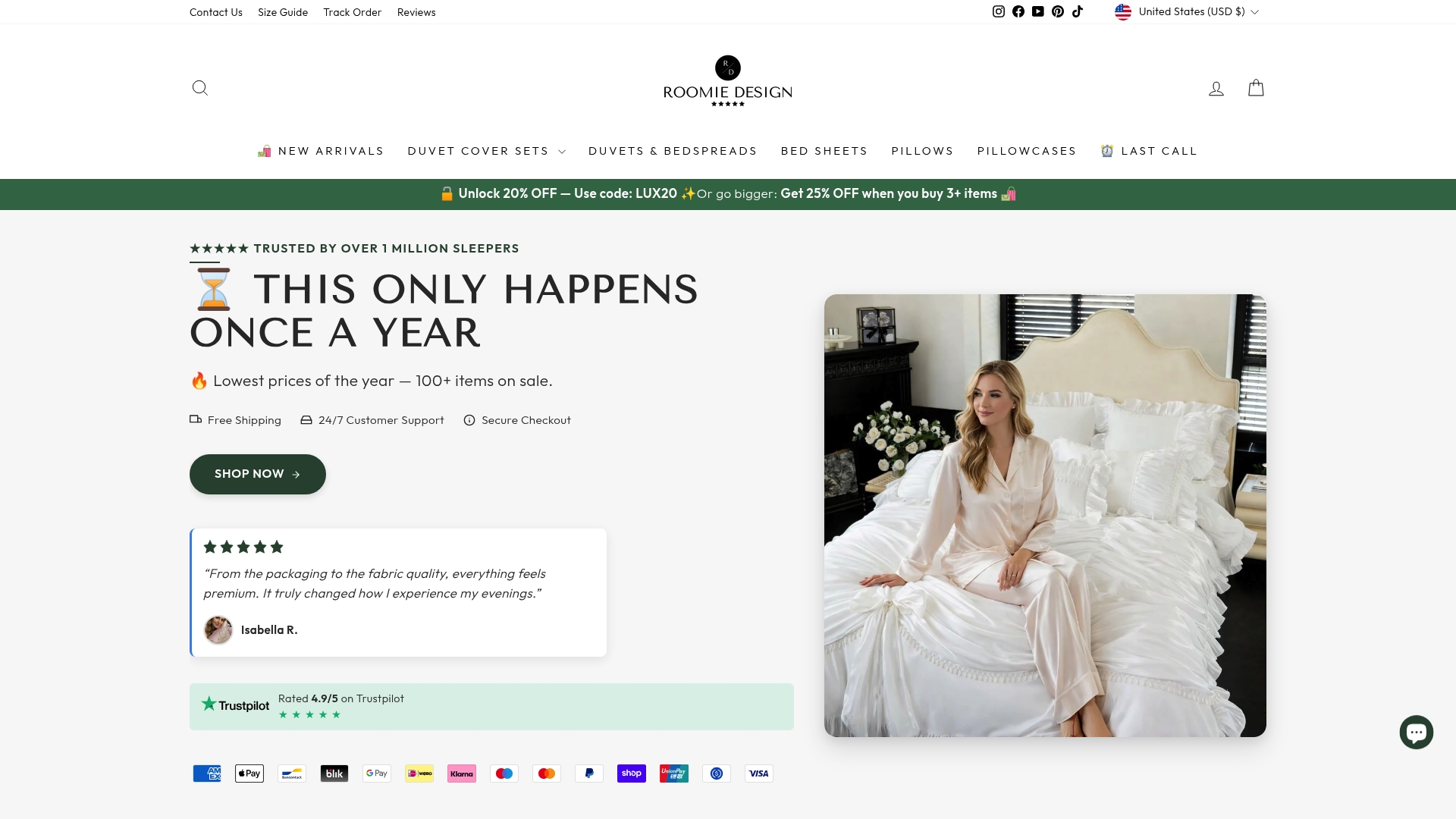
The Terracotta Super Hero 1000 TC duvet cover set offers deep-tone elegance with a high thread count sateen construction. For those prioritising breathability and longevity, the Natural 100% Linen bedding set delivers European flax quality that improves with every wash. The Lux Hotel Sateen sheet brings that crisp, hotel-grade finish directly into your bedroom. Each option reflects the grades and fibre standards explained here.
Frequently asked questions
What does ‘thread count’ really tell me about bed linen quality?
Thread count measures threads per square inch but does not alone determine quality. Scientific sheet testing balances softness, durability, and breathability together, making fibre type and weave equally important factors.
Is a higher thread count always better?
No. High thread counts reduce breathability and often involve multi-ply yarns that inflate numbers without improving comfort, making a well-constructed 300 to 500 count sheet the better choice for most sleepers.
How do linen sheets compare to cotton sheets?
Linen lasts 20 to 30 years versus 5 to 10 years for premium cotton, with superior moisture-wicking and breathability. Linen starts firmer but softens considerably after repeated washing.
What weave types are best for my sleeping needs?
Percale is breathable and crisp, making it ideal for hot sleepers, while sateen offers a smooth, warmer finish better suited to cool nights or those who prefer a lustrous texture.
Can I expect bed linen to get softer over time?
Yes. Linen softens after 10 to 15 washes, and quality cotton sheets become progressively softer with use rather than rougher, making both materials worthwhile long-term investments.


