Premium bedding materials: a homeowner's guide
TL;DR:
- High thread count alone does not determine bedding quality; fiber length, construction method, and weave influence comfort and durability. Premium sheets from long-staple cotton, linen, silk, or wool, combined with appropriate weave patterns like percale or sateen, offer superior sleep experiences. Proper care and understanding material certifications ensure long-lasting luxury beyond misleading marketing claims.
Many shoppers assume that a higher thread count automatically means better bedding. It does not. Defining premium bedding materials requires looking well beyond that single number. Fibre length, construction method, and weave pattern all play a larger role in determining how your sheets feel, how long they last, and how well they support a good night’s sleep. This guide covers the key materials, weave types, and care practices so you can make informed choices when upgrading your bedroom.
Table of Contents
- Understanding thread count and fabric quality
- Comparing premium bedding materials: cotton, linen, silk, and wool
- Weave types and finishes: percale, sateen, and jacquard explained
- Pricing and value insights for premium bedding purchases
- Caring for premium bedding materials to maintain luxury and comfort
- Rethinking thread count: why fibre quality and weave reign supreme
- Discover Roomie Design’s premium bedding collection
- Frequently asked questions
Key Takeaways
| Point | Details |
|---|---|
| Optimal thread count | A thread count between 300 and 600 balances softness, durability, and breathability for premium bedding. |
| Focus on fibre quality | Long-staple cotton fibres ensure lasting softness and prevent pilling better than high thread counts alone. |
| Weave impacts feel | Percale offers crisp breathability while sateen provides a smooth, silky texture with a luxurious sheen. |
| Material choice matters | Cotton, linen, silk, and wool each provide unique comfort benefits and style options in premium bedding. |
| Proper care preserves luxury | Gentle washing and correct maintenance keep premium bedding soft and durable over time. |
Understanding thread count and fabric quality
Thread count measures the number of threads woven per square inch of fabric, both horizontal and vertical. It is a useful starting point, but it does not tell the full story. A sheet made from short-staple cotton at 800 thread count will feel rougher and pill more quickly than one made from long-staple cotton at 400 thread count.
Premium bedding prioritises fibre quality and weave over thread count, with the ideal range sitting between 300 and 600 for percale and sateen made from long-staple cotton. Anything above this range often involves multi-ply threads, where two or more fibres are twisted together and counted as one. This inflates the number on the label whilst reducing breathability and hand feel.
Key distinctions to understand:
- Long-staple cotton fibres (such as Egyptian or Supima) are longer, smoother, and produce softer, more durable fabric
- Percale weave uses a one-over, one-under pattern, resulting in a crisp, breathable finish
- Sateen weave uses a four-under, one-over pattern, giving a smoother, slightly lustrous surface
- Multi-ply thread counts are a marketing tactic, not a quality indicator; always look for single-ply construction
Pro Tip: When shopping for luxury bedding fabrics, ask specifically whether the thread count is single-ply. If the retailer cannot confirm this, treat the number with caution.
Understanding these basics puts you ahead of most shoppers. For a deeper look at what separates genuinely high-end bedding from well-packaged mediocrity, the secrets of luxurious linens are worth exploring further.
Comparing premium bedding materials: cotton, linen, silk, and wool
With thread count clarified, it is time to examine the characteristics of specific luxury bedding fabrics and how each one performs in daily use.
Premium bedding uses long-staple cotton varieties such as Egyptian and Supima, along with linen and silk, all valued for their tactile comfort and durability. Each material has a distinct profile:
| Material | Key quality | Best for | Care level |
|---|---|---|---|
| Long-staple cotton | Softness, durability | Year-round use | Low |
| Linen | Moisture-wicking, strength | Warm climates | Moderate |
| Mulberry silk | Smooth texture, temperature regulation | Sensitive skin | High |
| Wool | Insulation, moisture management | Cold climates | Moderate |
Cotton remains the most popular choice for good reason. Egyptian and Supima varieties produce exceptionally soft, long-lasting sheets that improve with each wash. The cotton bedding benefits for everyday comfort and style are well documented.
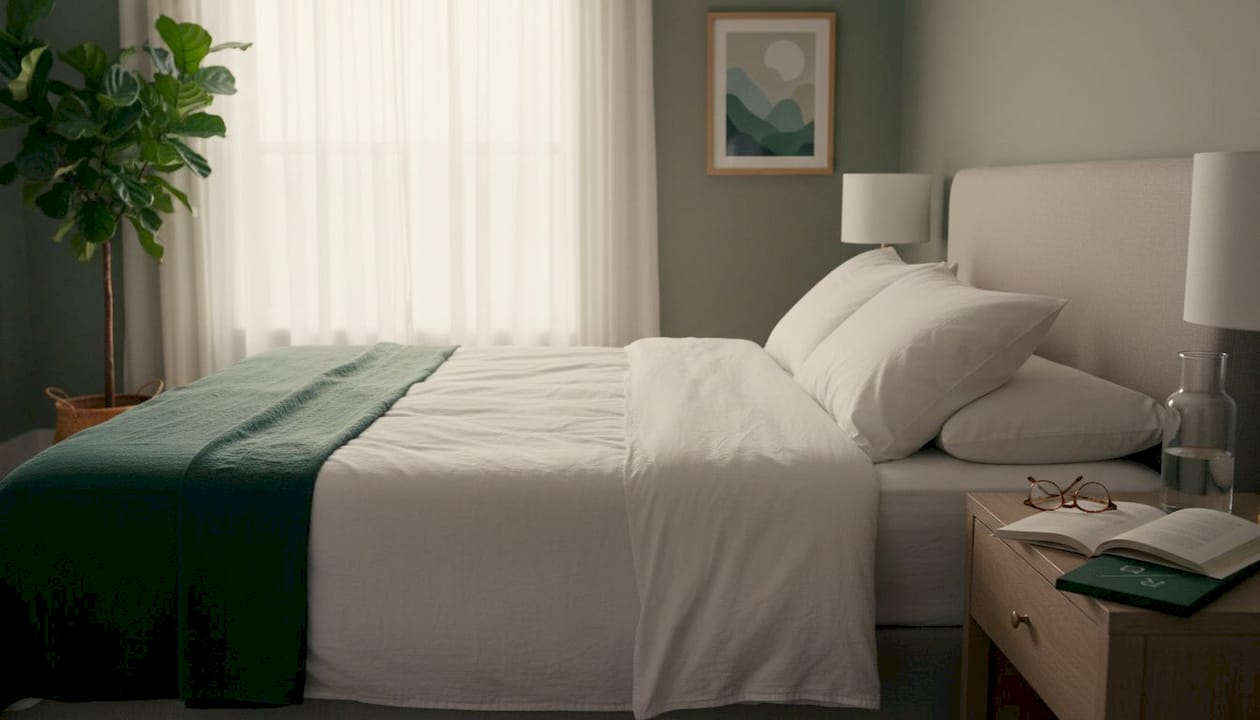
Linen is woven from flax fibres, making it naturally strong and highly breathable. It feels slightly textured at first but softens considerably after several washes. Linen is particularly well suited to warmer bedrooms or summer use.
Silk, specifically mulberry silk, offers a uniquely smooth surface that reduces friction against skin and hair. It regulates temperature well, feeling cool in summer and retaining warmth in winter. The trade-off is careful maintenance: silk requires gentle, cold washing and should never be tumble dried.
Wool is often overlooked in bedding conversations, but the performance data is significant. Wool duvets provide 25% better thermal insulation and transmit up to 139% more moisture than synthetic alternatives, maintaining stable sleep temperatures throughout the night. That moisture-wicking capacity is what makes wool genuinely useful across seasons, not just in winter.
Pro Tip: If you tend to overheat at night, linen or wool is often a more practical choice than sateen cotton, despite sateen’s reputation for luxury. The right material always depends on your sleep temperature, not just how the fabric looks.
Good bedding and bedroom comfort depends on matching material to lifestyle, not simply picking the most expensive option available.
Weave types and finishes: percale, sateen, and jacquard explained
Understanding fibres is vital, but the fabric’s weave directly shapes your bedding’s look and feel. Two sheets made from identical cotton can feel completely different depending on how they are woven.
Here are the main weave types ranked from crispest to smoothest:
- Percale uses a one-over, one-under interlacing pattern. The result is a matte, cool, and crisp fabric that many people describe as hotel-quality. It is highly breathable and ideal for warmer sleepers or summer months.
- Sateen uses a four-under, one-over pattern that floats more threads on the surface, creating a soft sheen and silkier hand feel. Percale offers crisp, breathable sheets for warm weather; sateen provides a more lustrous, warmer surface suited to cooler conditions.
- Jacquard is not a thread structure but a loom technique that weaves intricate patterns directly into the fabric. Jacquard bedding adds a clear visual richness and is commonly found in higher-end decorative ranges.
- Twill is less common in premium bedding but creates a diagonal rib texture that adds structure and durability to certain duvet covers.
Pro Tip: Sateen looks impressive but shows wear more quickly than percale because the longer thread floats on the surface can snag. If longevity is the priority, percale is the more durable finish. If aesthetics lead your decision, sateen or jacquard will deliver a more visually striking result. Understanding what distinguishes designer bedding quality from standard options often comes down to exactly this weave-level detail.
Pricing and value insights for premium bedding purchases
Now equipped with material and weave knowledge, it is worth understanding how price maps to quality so your investment is well directed.
| Price range | Typical material and thread count | What to expect |
|---|---|---|
| £150 to £300 | 300 to 400 TC sateen cotton | Soft, good durability, entry-level luxury |
| £300 to £600 | 400 to 600 TC Egyptian cotton | Noticeably superior softness and longevity |
| £600 to £1,200 | 600+ Egyptian cotton or mulberry silk | Premium craftsmanship, exceptional hand feel |
| £1,500 and above | Limited edition or designer ranges | Exclusivity, artisan finishing, bespoke design |
Entry-level luxury duvet covers retail between $200 and $400 for 300 to 600 thread count sateen; 600+ Egyptian cotton or silk can reach $800 to $1,500, with limited edition pieces exceeding $2,500.
A few practical pointers for getting genuine value:
- Avoid inflated thread counts above 800; the quality rarely justifies the price premium
- Prioritise fibre certification: GOTS-certified organic cotton and OEKO-TEX labels indicate verified material standards
- Compare weight (GSM) as well as thread count; a higher grams-per-square-metre rating often reflects better fabric density in linen and cotton
- Factor in lifespan: a well-made 400 TC Egyptian cotton set at £350 may outlast three cheaper alternatives
Understanding the benefits of high-quality sheets makes clear that the true cost per use on premium bedding is often lower than it first appears. For decorative options with embroidered detail, reviewing embroidered duvet pricing gives a useful point of reference.
Caring for premium bedding materials to maintain luxury and comfort
Having explored price and materials, caring for your premium bedding properly ensures its lasting quality and feel.
Long-staple cotton maintains softness after multiple washes at 40°C; wool bedding’s superior moisture management also helps keep it fresher between cleans. Here is how to care for each material type:
- Cotton (percale or sateen): Wash at 40°C on a gentle cycle. Tumble dry on low heat or line dry. Iron whilst slightly damp for best results.
- Linen: Wash at 40°C. Avoid high heat drying, which weakens flax fibres. Linen can be line dried and left slightly wrinkled for a relaxed aesthetic.
- Silk: Hand wash or machine wash on a delicate cycle with cold water. Use a specialist silk detergent. Never tumble dry or wring.
- Wool: Air regularly rather than washing frequently. When washing is needed, use cool water and a wool-specific detergent. Flat dry to retain shape.
General rules that apply across all top quality bedding options:
- Avoid bleach and fabric softeners, which degrade fibre structure over time
- Rotate between two sets to reduce wear frequency
- Store bedding loosely folded in a breathable cotton bag, not sealed plastic
Pro Tip: Washing cotton bedding inside out reduces surface pilling and preserves colour depth, particularly important for darker sateen sets. Proper care is often the single biggest factor in how long premium bedding retains its luxury feel.
Rethinking thread count: why fibre quality and weave reign supreme
There is a persistent myth in the bedding market: that a number on a label equals quality. It does not. Thread count became a selling tool in the 1990s when manufacturers realised consumers responded to quantifiable claims. The result was an arms race of inflated numbers that bear little relationship to actual fabric performance.
Experts note that denser high thread counts trap heat, with 300 to 600 single-ply long-staple counts optimal for breathability and comfort. A 1,000 thread count sheet made from short-staple multi-ply cotton will feel heavier, less breathable, and will deteriorate faster than a well-constructed 400 thread count percale from Egyptian long-staple fibres.
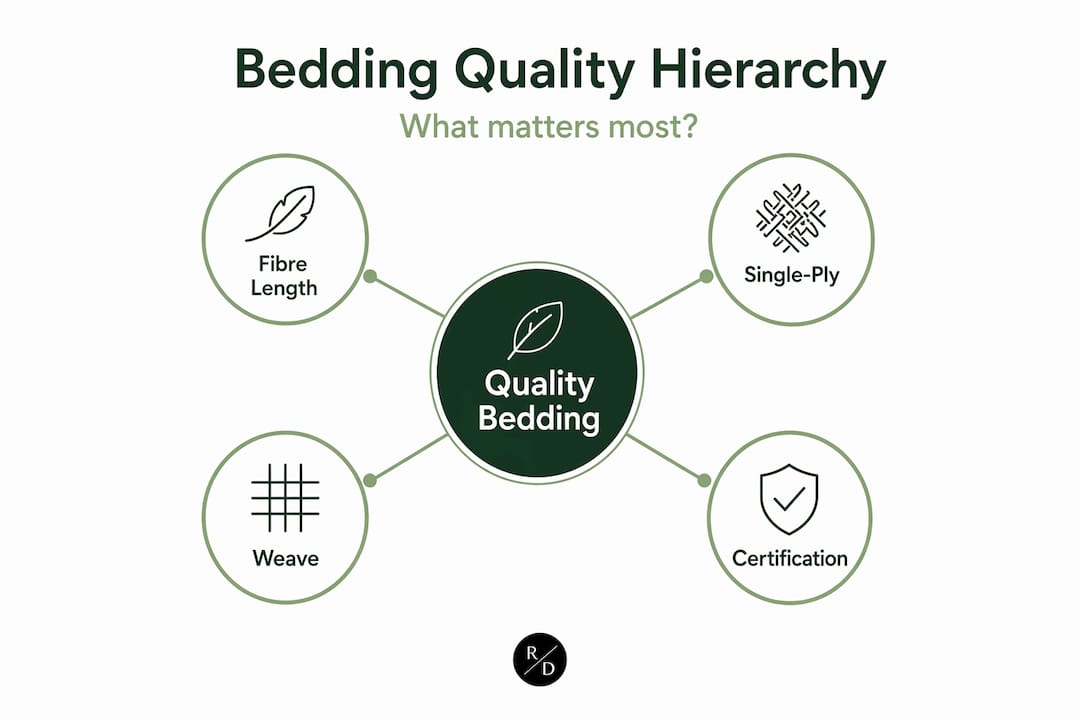
The real indicators of quality are: fibre length, single-ply construction, weave integrity, and fabric certification. These are less visible on a label but entirely measurable in how your bedding performs night after night. A good thread count perspective helps clarify which numbers actually matter.
The uncomfortable truth is that most shoppers pay more for marketing than for material. Knowing what to look for puts you in a much stronger position to get genuine value from your bedding investment.
Discover Roomie Design’s premium bedding collection
With a clearer understanding of premium bedding essentials, it is straightforward to identify where genuine quality sits.
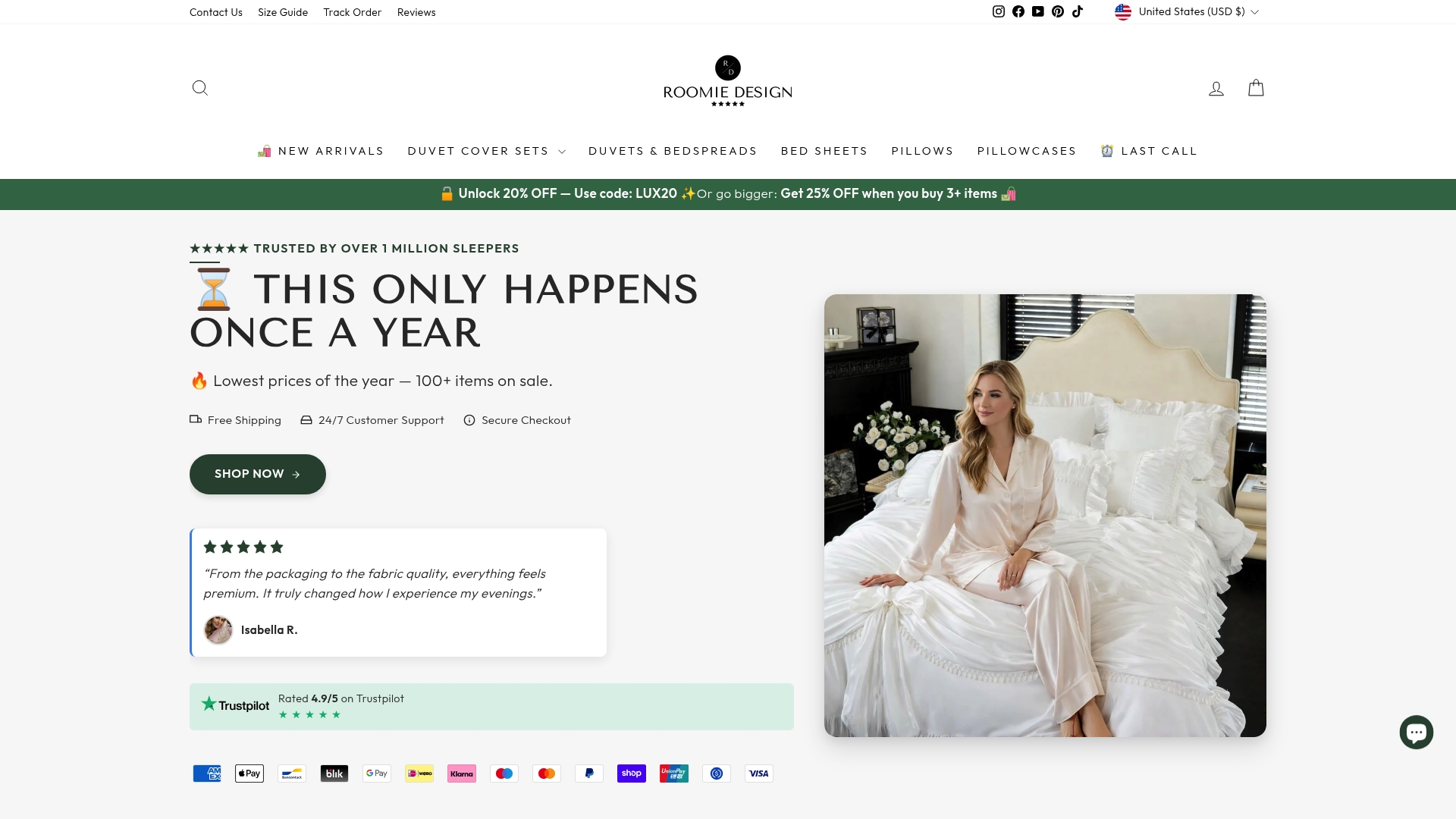
Roomie Design’s curated collections span the full range of luxury bedding fabrics covered in this guide. The Espresso 1000 TC bedding set offers a high thread count single-ply construction for those seeking depth and weight. For silk enthusiasts, the Dusty Rose mulberry silk set delivers a 22mm weight in 100% mulberry silk, ideal for temperature-sensitive sleepers. The Aristocrat Gold bedding set brings jacquard-level decorative finishing to a bedroom with lasting visual impact. Each product is selected for verified material quality, consistent construction, and enduring comfort.
Frequently asked questions
What is the ideal thread count range for premium bedding?
The optimal thread count typically falls between 300 and 600 for long-staple cotton bedding, balancing softness and breathability. Premium bedding prioritises fibre quality and weave over raw thread count figures.
How do fibre quality and weave affect bedding comfort?
Fibre length determines softness and durability, while weave type shapes texture and breathability. Together they define how your bedding feels each night. Long-staple cotton fibres deliver softness and durability well beyond what thread count alone can indicate.
Are wool duvets a good choice for year-round comfort?
Yes. Wool duvets provide 25% better thermal insulation and transmit significantly more moisture than synthetic alternatives, making them suitable across seasons for most sleepers.
Why do some high thread count sheets feel heavy or less breathable?
Sheets with very high thread counts frequently use multi-ply threads, which increase fabric density and reduce airflow. Denser high thread counts trap heat, making 300 to 600 single-ply counts the better choice for comfort.
How should I care for premium bedding to maintain its luxury feel?
Wash long-staple cotton at 40°C on a gentle cycle, avoid harsh detergents, and air wool bedding regularly rather than washing frequently. Long-staple cotton maintains softness after multiple gentle washes, provided care instructions are followed consistently.


