What is a sheet set? Your complete buying guide
TL;DR:
- A sheet set includes coordinated bedding essentials like fitted sheets, flat sheets, and pillowcases, all designed for comfort and aesthetic appeal. Choosing premium fabrics such as Egyptian cotton or silk and verifying mattress depth ensures better sleep and longer-lasting quality. Opting for a matching set simplifies care, enhances room design, and provides better value than buying individual pieces.
A sheet set is defined as a coordinated collection of bedding essentials, typically comprising a fitted sheet, a flat sheet, and one or more pillowcases, sold together as a matched unit. These sets are designed to protect your mattress, regulate sleep temperature, and create a polished bedroom aesthetic without the guesswork of pairing individual pieces. Premium sheet sets, crafted from materials such as Egyptian cotton or mulberry silk, go further still, combining tactile comfort with lasting durability. Understanding what a sheet set includes and how to choose one is the most direct route to better sleep and a more considered bedroom.
What is a sheet set made of? Materials and weaves explained
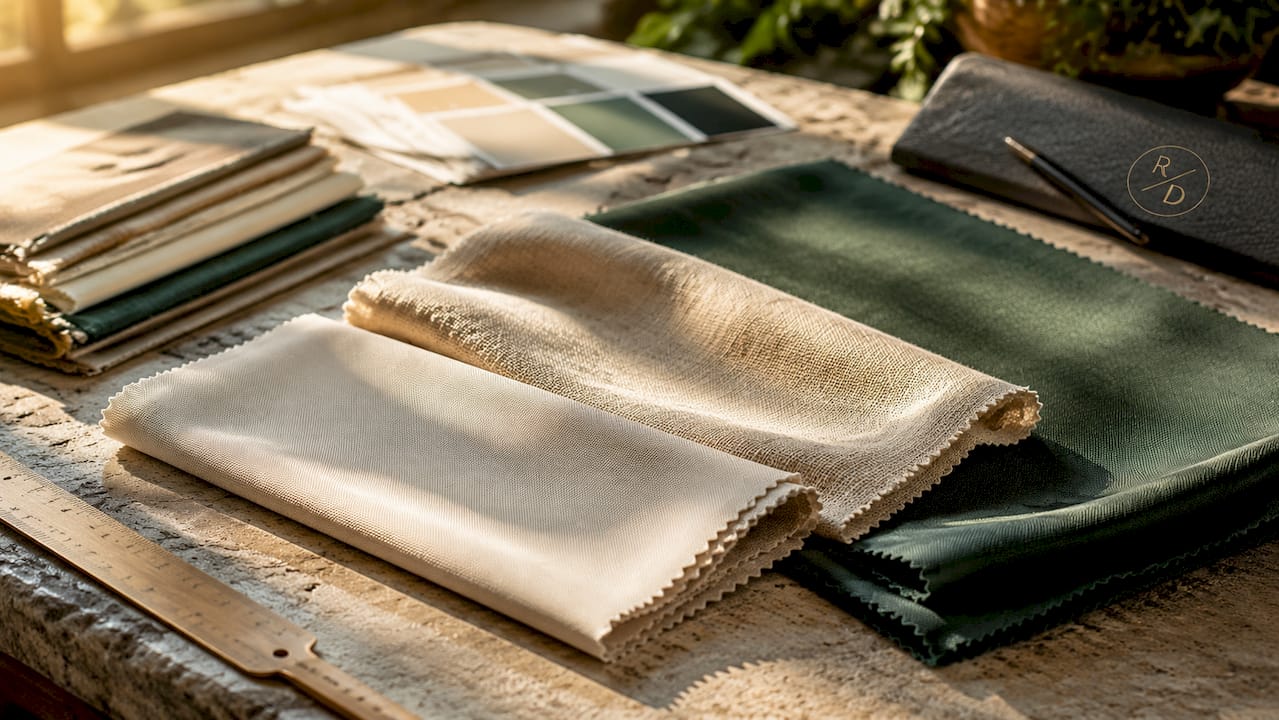
The fabric of a sheet set determines how it feels against your skin, how it performs across seasons, and how long it lasts. Common sheet materials include cotton, linen, silk, bamboo, microfibre, and jersey, each suited to different sleepers and climates.
Here is a clear breakdown of the most widely used options:
- Cotton percale — A plain weave with a crisp, cool hand feel. Preferred by hot sleepers for its breathability and durability.
- Cotton sateen — A weave that floats more threads on the surface, producing a smooth, lustrous finish with a softer drape.
- Linen — Valued for its natural cooling properties and textured feel. Linen softens with every wash and performs well in warm climates.
- Mulberry silk — Silk sheets reduce friction against skin and hair while offering natural temperature regulation. Quality is measured in momme weight, with higher momme indicating greater durability.
- Bamboo and lyocell — Moisture-wicking and soft, well suited to sensitive skin and warmer sleeping environments.
- Microfibre — Affordable and wrinkle-resistant, though less breathable than natural fibres.
Thread count is frequently used as a shorthand for quality, but it is not the full picture. Fibre quality and weave are the true determinants of comfort and longevity. Some manufacturers inflate thread counts by counting individual yarn plies rather than actual threads, which means a 1,000 TC sheet made from premium long-staple Egyptian cotton represents genuine luxury, while an inflated count in a lower-grade fabric does not. Prioritise fibre quality alongside thread count when assessing value.
Pro Tip: If you sleep warm, choose linen or cotton percale for natural breathability. If you prefer a silky, smooth surface, cotton sateen or a high-thread-count Egyptian cotton set will deliver that premium feel. Explore bedding materials in depth to match fabric to your sleep profile.
What is included in a sheet set by bed size?
Sheet set contents vary by bed size, and knowing exactly what to expect prevents common purchasing mistakes. The standard components are a fitted sheet, a flat sheet, and pillowcases, but the number of pillowcases and the pocket depth of the fitted sheet differ across sizes.
| Bed size | Fitted sheet | Flat sheet | Pillowcases |
|---|---|---|---|
| Single / Twin | 1 | 1 | 1 standard |
| Double | 1 | 1 | 2 standard |
| Queen | 1 | 1 | 2 standard |
| King | 1 | 1 | 2 king-sized |
| Split King | 2 | 1 | 2 king-sized |
A few additional considerations worth noting:
- Pocket depth — Standard fitted sheets suit mattresses up to around 30 cm deep. Deep-pocket fitted sheets accommodate mattresses up to 45 cm or more, which is necessary for beds with toppers or thicker premium mattresses.
- Split king sets — These include two separate fitted sheets to allow independent adjustment for adjustable bases, while sharing one flat sheet.
- Luxury packaging — Premium brands often include size-specific pillowcases and label pocket depth clearly, reducing the risk of ill-fitting sheets.
Measure your mattress depth before purchasing. A fitted sheet that does not reach the underside of the mattress will slip during the night, regardless of fabric quality.
Benefits of using a coordinated sheet set
Choosing a coordinated sheet set over individual pieces delivers practical and aesthetic advantages that compound over time. Matched sets remove the guesswork of pairing fabrics and colours, producing a bedroom that looks considered and well put together from the moment you make the bed.
The key benefits are:
- Uniform care instructions — All pieces in a set share the same fabric, so washing, drying, and ironing requirements are identical. No risk of shrinking one piece at a different temperature.
- Mattress and duvet protection — Flat sheets act as a barrier between your body and the duvet, reducing how often the duvet cover requires laundering. The fitted sheet protects the mattress from oils and stains.
- Colour and design harmony — Co-ordinated sets eliminate the fabric compatibility issues that arise when buying pieces separately, producing a cohesive bedroom aesthetic.
- Better value per piece — Sets are consistently priced more favourably than purchasing a fitted sheet, flat sheet, and pillowcases individually from the same range.
- Longer bedding lifespan — Rotating matched pieces evenly distributes wear, extending the life of the full set.
Pro Tip: Wash your new sheet set before first use. This removes any finishing agents from the fabric and allows the fibres to reach their full softness. Learn more about troubleshooting bedding issues for long-term comfort.
How to choose the right sheet set for your needs
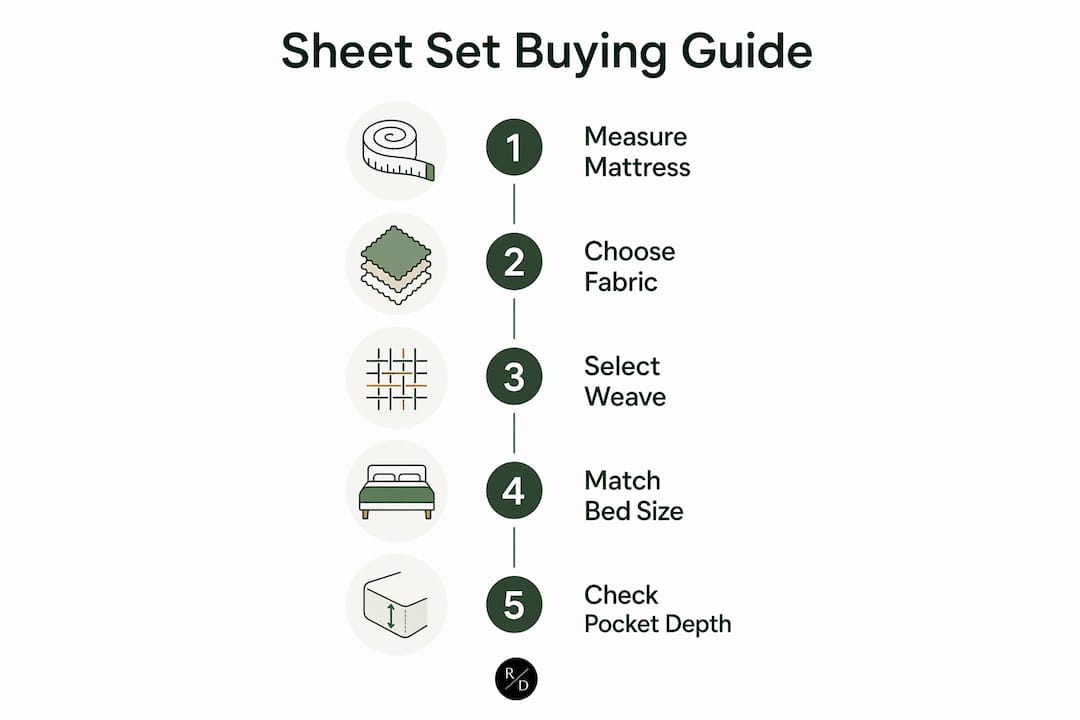
No single sheet set suits every sleeper. The right choice depends on your sleep temperature, skin sensitivity, mattress dimensions, and the aesthetic you want to achieve in your bedroom.
Use the following criteria to guide your selection:
- Sleep temperature — Hot sleepers perform best with linen or cotton percale. Those who sleep cool or in colder climates benefit from flannel or jersey knit, which retain warmth more effectively.
- Skin sensitivity — Bamboo, lyocell, and mulberry silk are the smoothest options against sensitive skin. Egyptian cotton at higher thread counts also delivers a refined, gentle surface.
- Mattress depth — Measure from the top of the mattress to the base before ordering. Account for any mattress topper in that measurement.
- Bedroom style — Plain dye sets suit minimal and contemporary rooms. Floral or textured weaves work well in farmhouse or maximalist interiors.
- Maintenance preference — Microfibre and cotton sateen resist creasing and require less ironing. Linen and percale are more relaxed in appearance and improve with washing.
| Sleeper type | Recommended fabric | Weave to consider |
|---|---|---|
| Hot sleeper | Linen, cotton percale | Percale |
| Cold sleeper | Flannel, jersey knit | Brushed weave |
| Sensitive skin | Bamboo, mulberry silk, Egyptian cotton | Sateen |
| Style-focused | Egyptian cotton, lyocell | Sateen or plain dye |
| Low maintenance | Microfibre, cotton sateen | Sateen |
Investing in quality sheets pays dividends in sleep quality and durability. A well-made Egyptian cotton or silk set, cared for correctly, will outlast several rounds of budget alternatives. Read more on why quality sheets improve sleep to understand the full picture before you buy.
What I have learned from years of working with bedding
The most common mistake I see is treating thread count as the only measure of quality. Buyers spend time comparing numbers and overlook the fibre itself. A 400 TC sheet in long-staple Egyptian cotton will feel noticeably superior to an 800 TC sheet in short-staple cotton, because the length and quality of the fibre determines how smooth and durable the weave becomes. Thread count matters, but it is the starting point, not the conclusion.
The second misconception is that sheet sets are a minor purchase. In practice, the surface you sleep on for seven or eight hours a night has a direct bearing on how rested you feel. Upgrading from a basic polyester set to a quality cotton or silk option is one of the most noticeable improvements you can make to your sleep environment, and the bedroom looks better for it too.
My advice: buy the best fabric your budget allows, choose a weave suited to your sleep temperature, and measure your mattress before you order. Those three steps remove almost every common source of dissatisfaction with sheet sets.
— Roomie
Premium sheet sets from Roomie-design
If you are ready to put this guidance into practice, Roomie-design offers a curated range of luxury sheet sets built from premium materials including Egyptian cotton, mulberry silk, linen, and bamboo.
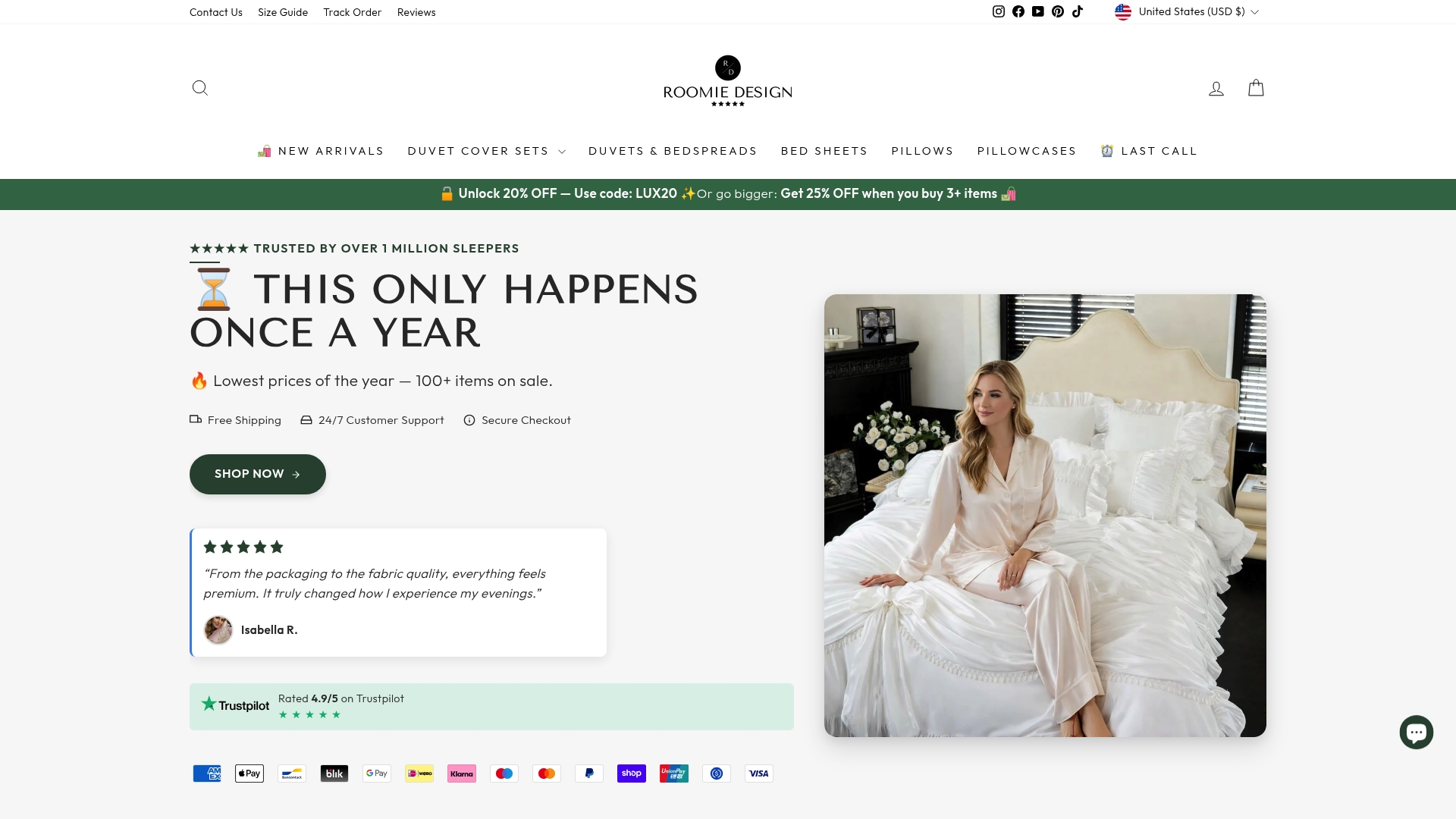
The Laroux Luxury Sheet combines sophisticated design with premium fabric construction, suited to sleepers who want both comfort and a refined bedroom aesthetic. For those drawn to the softness and durability of high-thread-count cotton, the 3-piece Egyptian cotton set at 1,000 TC delivers a smooth, lasting surface across a range of sizes. Every set at Roomie-design is sized clearly, with pocket depth specified, so you can shop with confidence.
FAQ
What does a standard sheet set include?
A standard sheet set includes one fitted sheet, one flat sheet, and one or two pillowcases depending on bed size. King and queen sets typically include two pillowcases; single and twin sets usually include one.
Is a higher thread count always better?
Thread count is not the sole indicator of quality. Fibre quality and weave construction determine comfort and durability, and some manufacturers inflate thread counts by counting yarn plies rather than actual threads.
What fabric is best for hot sleepers?
Linen and cotton percale are the top choices for hot sleepers, as both offer strong breathability and a cool hand feel. Bamboo and lyocell are also effective for moisture-wicking in warm conditions.
What is a deep-pocket fitted sheet?
A deep-pocket fitted sheet is designed to accommodate mattresses thicker than the standard 30 cm, fitting beds up to 45 cm or more in depth. These are necessary for mattresses with toppers or premium thick bases.
Why buy a sheet set instead of individual sheets?
Sheet sets provide matched colours, identical fabric care requirements, and consistent design across all pieces. Purchasing individually makes it harder to achieve fabric compatibility and colour harmony, and is typically more expensive per piece.


