What is heathered bedding? A complete style guide
TL;DR:
- Heathered bedding features a mottled appearance created by blending pre-dyed fibers before spinning the yarn. It offers style versatility, durability, and a natural, cozy look that improves with age. Different fabric types, like cotton or linen blends, influence its feel, performance, and suitability for various climates.
Heathered bedding is defined by its muted, speckled appearance, created by blending two or more) pre-dyed fibres before spinning them into yarn. The resulting textile carries a soft, mottled quality that textile professionals also call mélange or marled fabric. This is not a surface print or a dye applied after weaving. The colour variation is structural, built directly into the yarn itself. Roomie-design stocks a curated range of textured and luxury bedding that draws on this same principle of understated visual depth, making heathered styles a natural fit for shoppers who want sophistication without bold patterns.
What is heathered bedding and how is it made?
Heathering is a construction method, not a fabric type. This distinction matters because many shoppers assume “heathered” refers to a specific material, when it actually describes how the yarn is built. Fibres of different colours are blended together before spinning, so every strand of yarn carries multiple tones simultaneously.
The process differs entirely from tie-dyeing or surface printing. Those techniques apply colour to fabric after it has been woven. With heathered yarn, the colour variation is locked into the fibre structure from the start. The practical result is a more resistant to fading textile compared to printed patterns, because there is no surface layer to wear away.
Heathering can be applied to a wide range of materials:
- Cotton — the most common base, offering breathability and a soft hand feel
- Cotton-polyester blends — add durability and reduce wrinkling
- Wool blends — produce a warmer, heavier textile suited to cooler climates
- Linen blends — create a relaxed, slightly textured finish with good airflow
- Bamboo and recycled fibres — various blends) that influence softness and performance
Pro Tip: When buying heathered bedding, check the fibre composition label. A higher cotton content generally means better breathability and a softer feel over time.
What are the benefits of heathered bedding?
The appeal of heathered bedding sits at the intersection of style and practicality. Designers favour heathering because it provides soft visual noise that adds depth without the boldness of strong patterns. This makes it far more versatile than a geometric print or a bold solid colour.
From a practical standpoint, the built-in colour variation means minor wear or fading is far less visible. Heathered fabric conceals minor faults naturally, giving bedding a lived-in, cosy quality that actually improves with age rather than looking tired. For bedding used daily, this is a genuine advantage.
The key benefits worth knowing before you buy:
- Style versatility — the mottled palette coordinates with rustic, contemporary, and boutique-luxury bedroom schemes equally well
- Visual depth — subtle tonal variation adds sophistication without competing with other textiles in the room
- Practical durability — colour is structural, so the fabric holds its appearance through repeated washing
- Cosy atmosphere — multi-toned fabric mimics organic, natural patterns that create restful, sanctuary-like spaces
- Forgiving appearance — minor fading or wear blends into the existing texture rather than standing out
Pro Tip: Layer heathered bedding with a plain-dye duvet cover for contrast. The combination balances visual interest with calm, which suits both minimal and maximalist bedroom styles.
Common fabric types used in heathered bedding
The fabric you choose affects how heathered bedding feels, performs, and ages. Heathered percale cotton is the most widely used option in premium bedding. It is crisp, breathable, and durable with a matte finish that suits both casual and formal bedroom settings. The percale weave produces a one-over-one-under thread pattern that keeps the fabric cool and smooth to the touch.
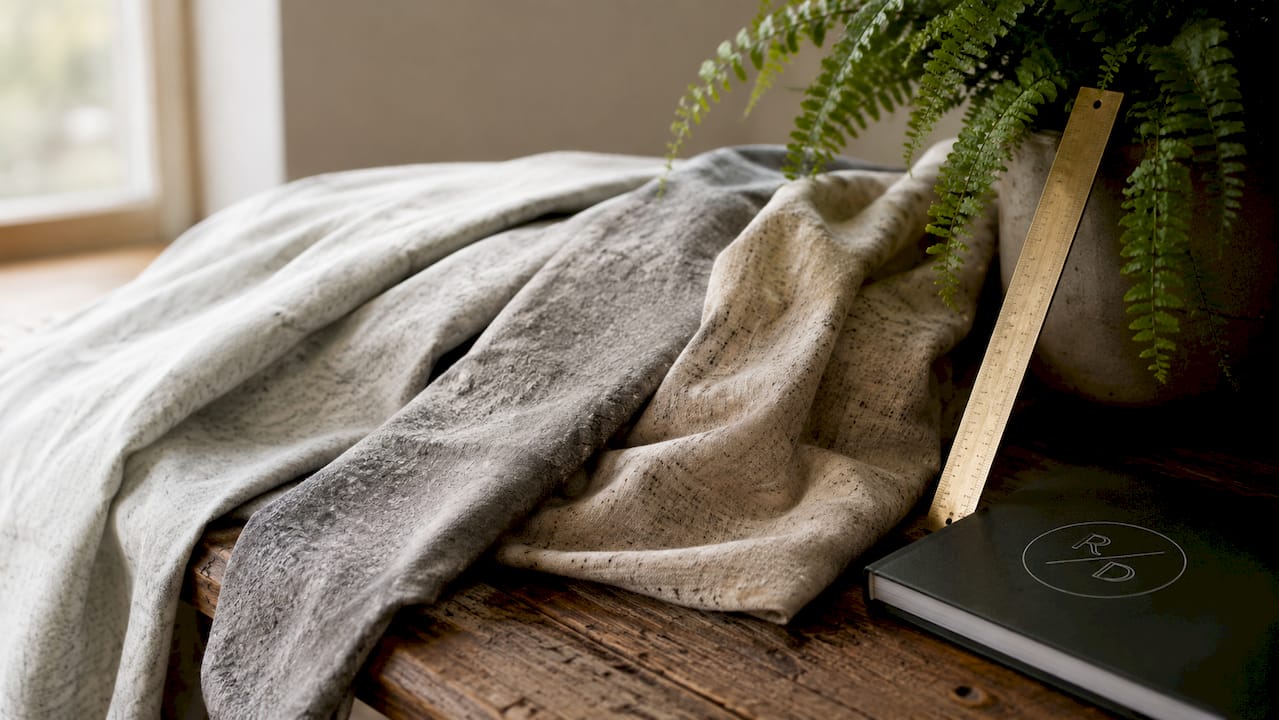
Knitted heathered textiles, such as jersey cotton, produce a softer, stretchier result. They feel more like a favourite T-shirt than a traditional sheet, which appeals to those who prioritise tactile comfort over a crisp finish. Woven heathered fabrics, by contrast, offer greater structure and a more formal appearance.
Thread count plays a meaningful role in heathered woven bedding. Higher thread counts in the 400–1,000 TC range deliver a denser, silkier feel with enhanced durability. The additional threads per square inch create a more refined surface texture that complements the mottled yarn effect rather than competing with it.
| Fabric type | Texture | Best for |
|---|---|---|
| Heathered percale cotton | Crisp, matte, breathable | Year-round use, cool sleepers |
| Heathered jersey cotton | Soft, stretchy, casual | Comfort-first bedrooms |
| Heathered cotton-polyester blend | Smooth, wrinkle-resistant | Low-maintenance households |
| Heathered linen blend | Relaxed, slightly textured | Warm climates, rustic styles |
| Heathered bamboo blend | Silky, lightweight | Sensitive skin, warm sleepers |
How to incorporate heathered bedding into your bedroom design
Heathered bedding works best when it anchors a layered textile scheme rather than standing alone. The subtle tonal variation in the fabric gives you a natural starting point for building a cohesive colour palette across the room. For practical bedroom design ideas, heathered styles offer one of the most flexible foundations available.
Key styling principles to follow:
- Layer with texture — pair heathered bedding with velvet cushions, chunky wool throws, or waffle-weave blankets to create depth without clashing patterns
- Complement your palette — the mottled tones in heathered fabric often contain two or three distinct hues; pull one of those tones into your cushion covers or curtains for a cohesive look
- Mix with plain dye — combining heathered bedding with plain-dye options creates balance; the solid colour grounds the scheme while the heathered piece adds visual interest
- Match the room style — heathered fabrics suit rustic farmhouse schemes, contemporary minimal rooms, and boutique-hotel-inspired spaces with equal ease; for master bedroom transformations, heathered textiles are a reliable choice across design styles
- Care correctly — wash heathered bedding at 30–40°C on a gentle cycle; avoid high-heat tumble drying, which can stress the blended fibres and reduce the fabric’s natural softness over time
The styling approach for heathered bedding is straightforward: treat the mottled texture as a neutral. It coordinates rather than dominates, which makes it one of the most practical choices for shoppers who want a bedroom that looks considered without requiring constant restyling.
Why heathered bedding has earned its place in the bedroom
The enduring appeal of heathered textiles is not accidental. After observing how shoppers approach bedding choices, one pattern is clear: buyers increasingly want fabrics that feel natural and understated rather than overtly decorative. Heathered bedding delivers exactly that.
What strikes me most is how heathering solves a problem that solid colours and bold prints cannot. A flat solid can look stark. A strong pattern can date quickly. Heathered fabric sits in the middle ground, offering visual interest that remains calm and liveable year after year. The organic, natural feel of the mottled texture is not a trend. It reflects a genuine shift in how people want their bedrooms to feel.
The quality argument is equally strong. Because the colour is structural rather than applied, heathered bedding genuinely ages better than most printed alternatives. That is not a marketing claim. It is a direct consequence of how the yarn is constructed. For anyone investing in quality bedding, that longevity matters.
— Roomie
Premium bedding collections at Roomie-design
Roomie-design offers a curated selection of luxury bedding sets built for both comfort and lasting style. Whether you are drawn to the tactile richness of 100% Mulberry Silk or the dense, refined feel of a 1,000 TC Egyptian Cotton set, the range covers the full spectrum of premium fabric options.
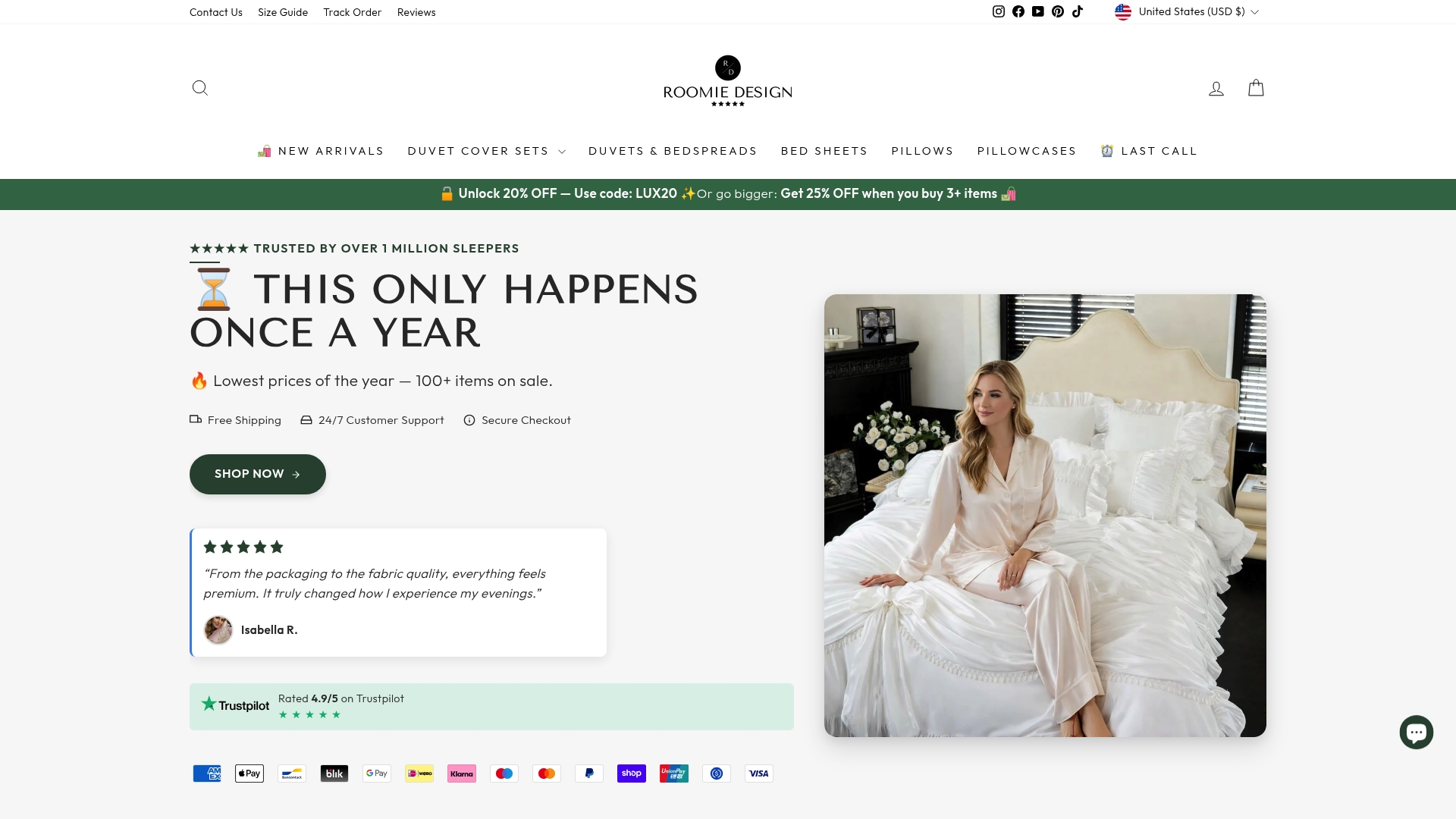
Each collection is designed with the same principle that makes heathered bedding so appealing: quality that shows in the fabric itself, not just the packaging. From plain-dye sets to textured weaves, Roomie-design stocks options that suit every bedroom style and sleep preference. Explore the full range at roomie-design.com to find the set that fits your bedroom.
FAQ
What does “heathered” mean in bedding?
Heathered refers to a yarn construction technique where two or more pre-dyed fibres) are blended before spinning, producing a mottled, speckled appearance. The effect is structural, not a surface print or dye.
Is heathered bedding the same as mélange or marled fabric?
Yes. Mélange and marled are industry terms for the same construction method. All three describe fabric made from yarn that blends differently coloured fibres before spinning.
Does heathered bedding fade faster than solid bedding?
No. Because the colour variation is built into the yarn structure, heathered bedding is more resistant to fading than surface-printed patterns, which can wear away with washing.
What fabric types are used for heathered bedding?
Heathered fabrics appear) in cotton, cotton-polyester blends, linen blends, wool blends, and bamboo fibres. Heathered percale cotton is the most popular choice for bedding due to its breathability and durability.
How do I care for heathered bedding?
Wash at 30–40°C on a gentle cycle and avoid high-heat drying. This preserves the blended fibre structure and maintains the fabric’s softness and appearance over time.


