High thread count bedlinen: what you need to know
TL;DR:
- High thread count bedding can be misleading, as fibre quality and weave impact comfort more significantly.
- A recommended range for most sleepers is 300 to 400 TC using single-ply long-staple cotton, with weave type influencing feel and temperature.
Thread count is one of the most talked-about figures in bedding, yet it is also one of the most misunderstood. Many shoppers assume that high thread count bedlinen is automatically the best choice, when in reality the number tells only part of the story. Fibre quality, weave structure, and finishing all shape how a sheet feels against your skin and how well it holds up over years of use. This guide covers what thread count actually means, which fabrics and weaves matter most, and how to choose the right luxury bed linen for your sleep needs.
Table of Contents
- Key takeaways
- High thread count bedlinen explained
- Fibre quality and weave type
- Choosing the right bedlinen for your sleep style
- Care and maintenance for luxury bedlinen
- My take on high thread count bedlinen
- Explore Roomie-design’s luxury bedding collections
- FAQ
Key takeaways
| Point | Details |
|---|---|
| Thread count is not everything | Fibre quality and weave type are stronger predictors of comfort than thread count alone. |
| Optimal range for most sleepers | A thread count of 300 to 400 in long-staple cotton delivers both softness and breathability. |
| Weave determines feel | Percale suits cool, crisp preferences; sateen suits those who prefer a silkier, warmer feel. |
| Care extends luxury | Washing in cold water on a gentle cycle preserves softness and extends sheet life. |
| Buy for your sleep style | Match thread count, weave, and fabric to your climate and personal comfort priorities. |
High thread count bedlinen explained
Thread count refers to the number of threads woven into one square inch of fabric, counting both horizontal (weft) and vertical (warp) threads. At first glance, a higher number sounds straightforwardly better. The reality is more nuanced.
The key variable is whether yarns are single-ply or multi-ply. Single-ply yarns are finer and stronger. Multi-ply yarns twist two or more threads together and count each strand separately, which inflates thread count numbers without adding any meaningful softness or durability. A sheet labelled at 1000 TC using multi-ply yarns may actually feel heavier and less comfortable than a 400 TC sheet woven from premium single-ply long-staple cotton.
For most people, the ideal thread count sits between 300 and 400 for a balance of softness, breathability, and durability. Sheets marketed above 600 TC quite often rely on multi-ply construction, which can produce a denser fabric that traps heat and wears more quickly.
Pro Tip: When assessing a new sheet set, check whether the product description specifies single-ply yarn and names the cotton variety. Long-staple cotton such as Egyptian or Pima cotton in a single-ply construction is a reliable sign of genuine quality.
- Thread count measures warp plus weft threads per square inch
- Single-ply yarns produce finer, more breathable fabric than multi-ply constructions
- Above 600 TC often signals inflated counts from multi-ply yarns, not superior quality
- The 300 to 400 range is widely regarded as the sweet spot for high quality bed sheets
Fibre quality and weave type
Understanding thread count becomes far more useful when you pair it with knowledge of the fibre and weave involved. These two factors are what luxury bedding brands focus on most to deliver a genuinely premium result.
Long-staple cotton
Long-staple cotton, which includes Egyptian and Pima varieties, has longer individual fibres than standard cotton. Longer fibres spin into finer, stronger yarns, producing sheets that are noticeably softer, more durable, and less prone to pilling. Fibre quality and finishing treatments impact softness and ultimate comfort more than thread count alone. A 400 TC sheet in long-staple cotton will consistently outperform a mislabelled 1000 TC sheet made from short-staple fibres.
Percale vs sateen
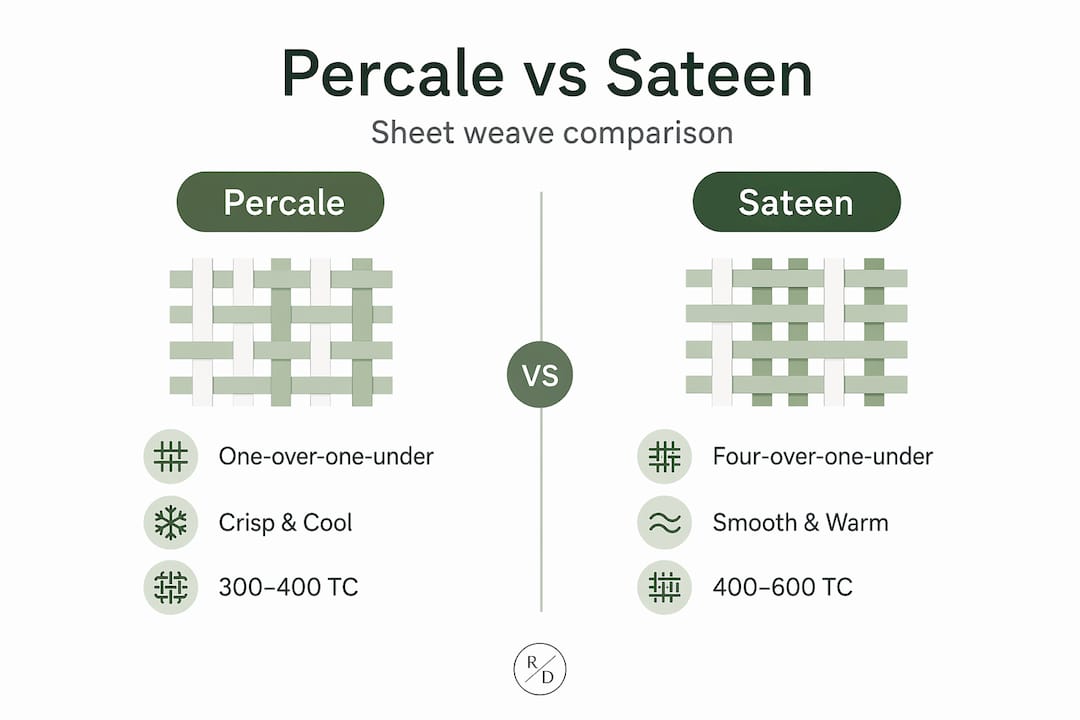
Weave structure determines texture and temperature feel in a way that thread count cannot. The table below shows how percale and sateen compare across the qualities that matter most to sleepers.
| Characteristic | Percale | Sateen |
|---|---|---|
| Weave structure | One thread over, one under | Four threads over, one under |
| Optimal thread count | 200 to 400 | 300 to 600 |
| Texture | Crisp, matte, cool | Silky, smooth, lustrous |
| Breathability | High | Moderate |
| Best for | Hot sleepers, warm climates | Cold sleepers, year-round use |
Percale’s one-over-one-under structure maximises airflow, making it the preferred choice for hot sleepers or those in warmer climates. Most five-star hotels use percale cotton in the 220 to 400 TC range for precisely this reason. Sateen’s longer float construction creates that characteristic sheen and a slightly warmer, softer touch that suits cooler bedrooms and sleepers who prefer a silkier feel.
Pro Tip: If you tend to sleep warm, choose a percale weave at 300 to 400 TC in long-staple cotton. If you prefer a silkier, slightly warmer sheet, sateen at 400 to 600 TC will suit you well. Read our soft bed linen guide for a full breakdown of premium fabric options.
Choosing the right bedlinen for your sleep style
Thread count, fibre, and weave all feed into one practical question: which sheet will help you sleep better? The answer depends on a few personal factors.
Hot sleepers benefit most from a percale weave in single-ply long-staple cotton, in the 300 to 400 TC range. The open structure allows heat to dissipate and keeps the sleeping surface cool throughout the night. Breathable bedding also supports better sleep hygiene, reducing the chance of overheating during rest.
Cold sleepers or those in cooler climates will find sateen at 400 to 600 TC more comfortable, with its extra warmth and smooth surface feel. The weave retains more body heat, which makes it a strong choice during winter months or in air-conditioned bedrooms.
Finishing processes also play a significant role. Premium finishing treatments soften fabric fibres at the manufacturing stage, which means a well-finished 400 TC sheet can feel noticeably softer than an unfinished sheet at a higher count. When comparing sheet sets, look beyond the number and consider the full specification.
Use these criteria to guide your decision:
- Sleep temperature: Hot sleepers should choose percale; cold sleepers should choose sateen
- Climate: Warm or humid rooms suit lower TC percale; cool or dry rooms suit higher TC sateen
- Texture preference: Crisp and matte or silky and smooth
- Budget: Focus spend on fibre quality first, then weave, then thread count
- Durability priority: Single-ply long-staple cotton at 300 to 400 TC provides the best longevity
For a deeper look at matching bedding to your bedroom, the choosing premium bedding guide from Roomie-design covers material choices and style considerations in detail.
Care and maintenance for luxury bedlinen
Even the finest high quality bed sheets will lose their feel if cared for incorrectly. Proper maintenance preserves the softness and structure of your investment for years.
Machine washing in cold water on a gentle cycle is the safest approach for most premium cotton sheets. Tumble dry on a low setting and remove sheets promptly once dry to prevent wrinkles and unnecessary stress on the fibres. Avoiding harsh detergents prevents fabric damage and maintains the soft feel that makes luxury bed linen worth having. Proper care techniques genuinely extend the working life of high thread count bedlinen.
- Wash at 30 to 40°C maximum on a gentle or delicate cycle
- Use a mild, fragrance-free detergent without bleach
- Tumble dry on low heat or line dry in shade to preserve colour
- Iron on a low to medium setting while slightly damp for a crisp finish
- Rotate between two sets of sheets to reduce wear on each
Pro Tip: For silk or specialist high-TC luxury sets, professional laundering every few months keeps fabric structure intact and maintains that fresh-from-the-hotel feel without risk of heat damage at home.
My take on high thread count bedlinen
I’ve spent years looking at how people shop for bedding, and the thread count fixation is the single biggest source of disappointment I see. Customers bring home a 1000 TC set expecting an instant transformation, then feel flat when it sleeps hot or starts pilling after a few months.
What I’ve learned is simple: chase the fibre, not the number. A 400 TC Egyptian cotton sheet in a well-finished percale construction will outperform a multi-ply 800 TC set on every measure that actually matters. Softness. Breathability. How it feels after 50 washes. The secrets of luxurious bed linen are rarely found in a headline thread count figure.
My practical recommendation: set a TC range of 300 to 600, pick the weave that matches your sleep temperature, and then spend your remaining attention on fibre quality. That approach produces genuinely better sleep, consistently.
— Roomie
Explore Roomie-design’s luxury bedding collections
Roomie-design brings together the finest high thread count bedlinen across Egyptian cotton and mulberry silk, curated for sleepers who want genuine quality.
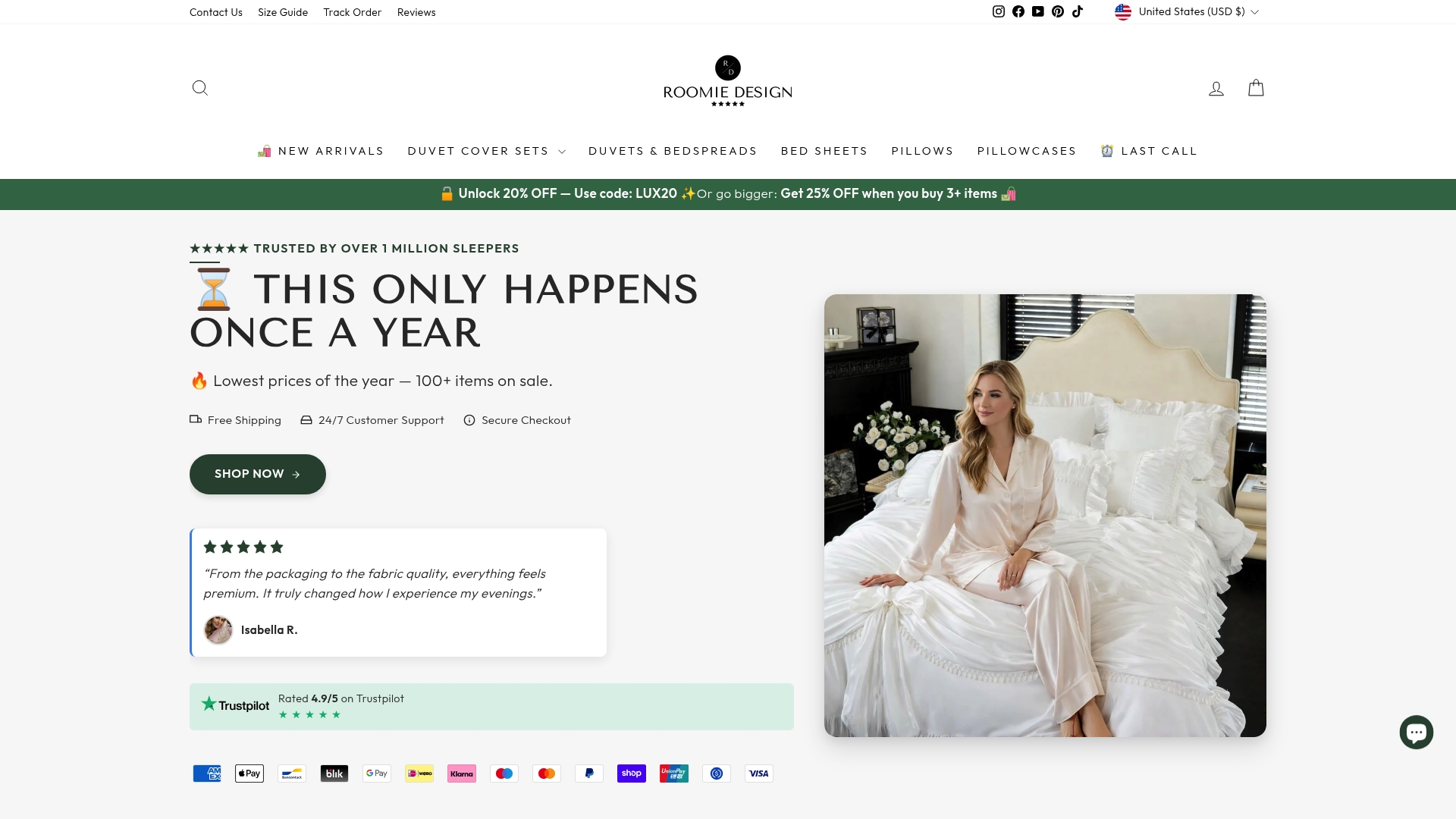
The Espresso 1000 TC luxury set and Prestige Beige 1000 TC set both use Egyptian cotton with premium finishing for a smooth, substantial feel. For those drawn to a naturally silky texture, the Dusty Rose mulberry silk set offers 22mm 100% mulberry silk with a lustrous finish that no cotton weave can replicate.
Each collection is available across sizes with full product specifications, including fabric, weave, and thread count details, so you can make a confident, informed choice before purchasing.
FAQ
What is a good thread count for luxury bed sheets?
A thread count of 300 to 400 in single-ply long-staple cotton is widely considered the optimal range for softness, breathability, and durability. Sateen weaves can perform well up to 600 TC.
Is higher thread count always better quality?
No. Thread count above 600 often relies on multi-ply yarns that inflate the number without improving comfort. Fibre quality and weave type are more reliable indicators of quality.
What is the difference between percale and sateen sheets?
Percale uses a one-over-one-under weave for a crisp, cool, breathable feel, ideal at 200 to 400 TC. Sateen uses a four-over-one weave for a silkier, slightly warmer texture, performing best at 300 to 600 TC.
How do I maintain high thread count bedlinen?
Wash in cold or warm water on a gentle cycle using a mild detergent, tumble dry on low heat, and remove promptly after drying. Avoid bleach and high-heat drying to preserve softness and colour.
Does fibre type matter as much as thread count?
Yes. Long-staple cotton fibres and quality finishing treatments create superior softness and durability. The fibre and weave together determine feel far more than thread count alone.


