

What is organic bedding: a complete guide
TL;DR:
- Organic bedding is made from fibres cultivated without synthetic pesticides, herbicides, or harmful chemical finishes, promoting a cleaner sleep environment. Certified standards like GOTS verify the entire supply chain, ensuring genuine organic production from field to finished product. Choosing certified organic bedding reduces chemical exposure, supports sustainable farming, and benefits both personal health and the environment.
Organic bedding is defined as textiles made from fibres grown and processed without synthetic pesticides, herbicides, or harmful chemical finishes, producing a cleaner and more sustainable sleep environment. Products in this category include sheets, duvet covers, pillowcases, and mattress protectors, made from organic cotton, linen, or wool. The distinction matters because conventional bedding often carries residual chemical treatments from both farming and textile processing. Understanding what separates genuine organic bedding from standard alternatives helps you make a more informed choice for your home and your health.
What is organic bedding and how is it defined?
Organic bedding covers any sleep textile produced from fibres cultivated under organic agricultural rules and processed to minimise chemical inputs throughout the supply chain. This means no genetically modified seeds, no synthetic fertilisers, and no toxic dyes applied during finishing. The result is a product that sits closer to its natural state than most conventional alternatives on the market.
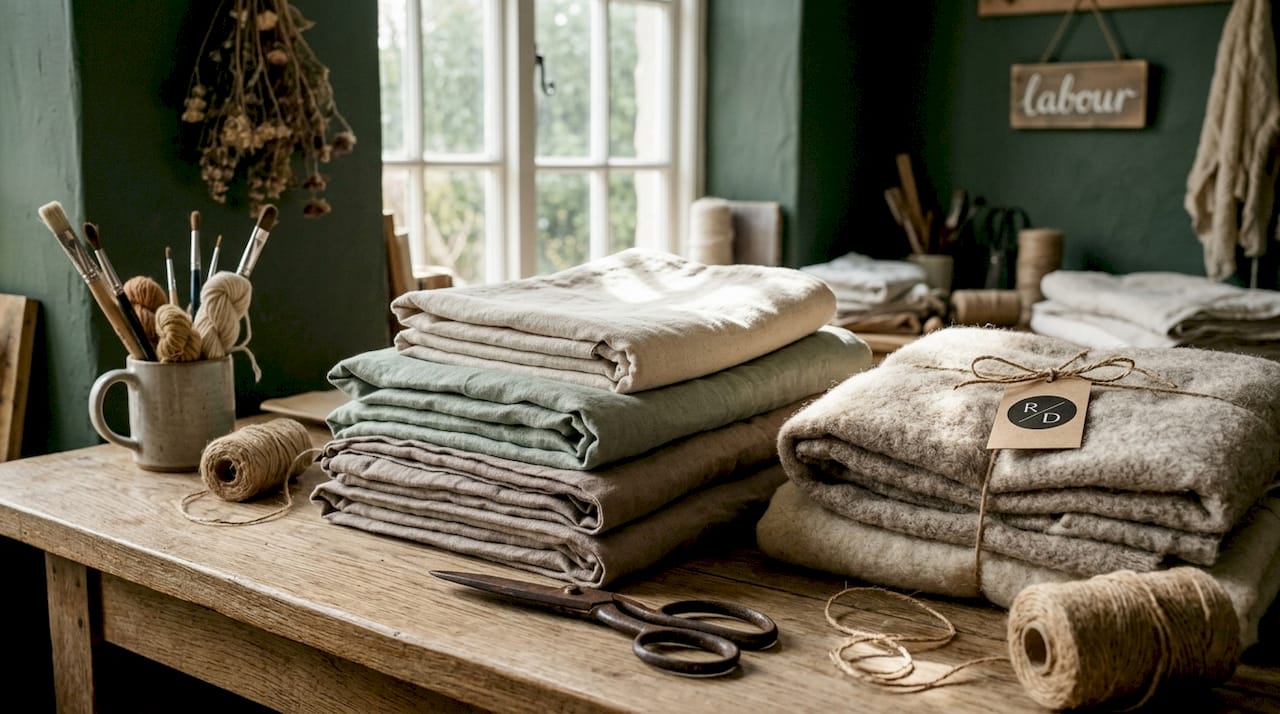
The most common materials are organic cotton, linen, and wool. Organic cotton is cultivated without synthetic pesticides or herbicides, which reduces harmful chemical residues on the finished textile and lowers the risk of skin irritation. Linen, derived from the flax plant, requires minimal water and chemical input by nature, making it a strong candidate for sustainable bedding. Wool, when sourced responsibly, offers natural temperature regulation alongside its organic credentials.
What separates organic bedding from a product simply labelled “natural” is the verifiable process behind it. Natural fibres can still be treated with chemical finishes post-harvest. Organic bedding, by contrast, is held to production standards that cover the entire journey from field to finished product.
What certifications verify organic bedding authenticity?
The Global Organic Textile Standard, known as GOTS, is the leading international benchmark for organic textiles. GOTS covers social, chemical, and environmental requirements from fibre harvesting through to labelling, and applies to products containing at least 70% organic fibre. Every production stage must be independently certified, not just the raw material source.
This distinction is significant. Many products on the market certify only the fibre origin without verifying what happens during wet-processing, dyeing, or finishing. Chemical treatments introduced at those stages can undermine the organic integrity of the final product. GOTS closes that gap by requiring chain-of-custody certification at every step.
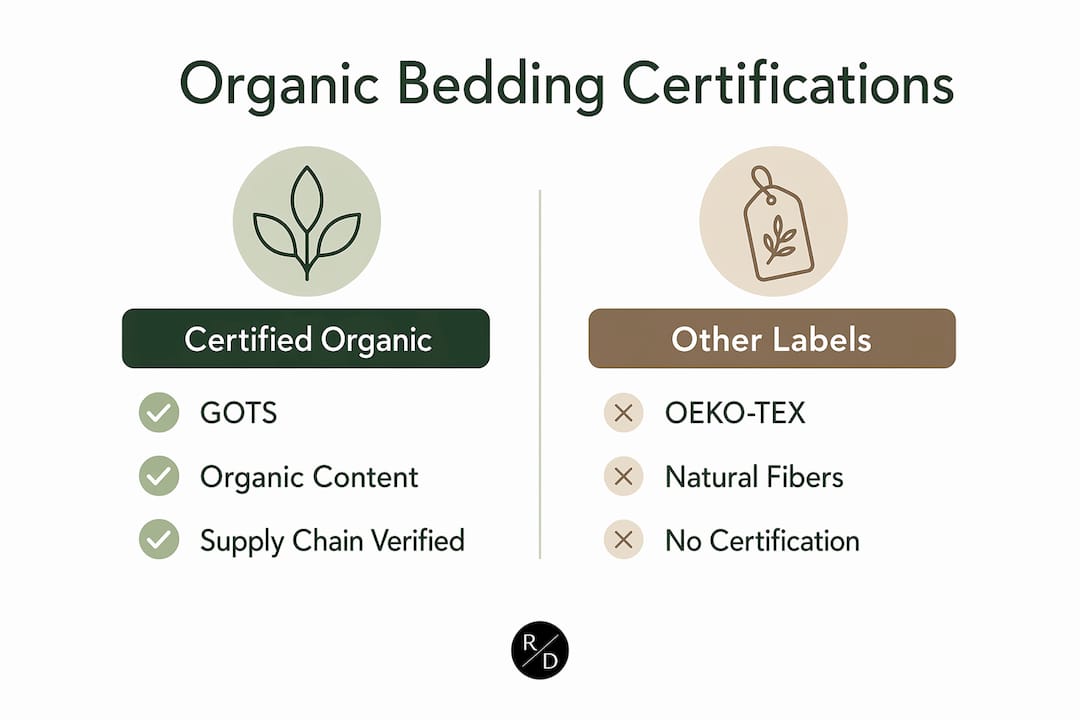
OEKO-TEX is a separate standard worth understanding. OEKO-TEX certification tests finished products for harmful substances but does not verify organic fibre content or sustainable farming practices. A product can carry an OEKO-TEX label without being organic in any meaningful sense. The two standards serve different purposes and are not interchangeable.
Key points to check when assessing a product’s credentials:
- Does the brand display a full GOTS certificate number, not just a logo?
- Is the certification current and traceable to an accredited body?
- Does the label specify the percentage of organic fibre content?
- Is wet-processing and dyeing covered under the certification scope?
Pro Tip: Ask the retailer directly for the GOTS certificate number. Legitimate certified products can be verified on the GOTS public database, giving you full confidence in the supply chain.
How does organic bedding compare to conventional bedding?
The differences between organic and conventional bedding extend well beyond how the fibre is grown. Conventional textile production routinely uses synthetic dyes, formaldehyde-based wrinkle treatments, and chemical softeners during finishing. These processes can leave residues on the fabric that come into direct contact with your skin for hours each night.
Organic bedding avoids these inputs at every stage. The absence of chemical finishing agents means the fabric retains more of its natural fibre structure, which contributes to durability over time. Less chemical processing generally results in fibres that hold their integrity through repeated washing rather than degrading quickly.
| Feature | Organic bedding | Conventional bedding |
|---|---|---|
| Fibre cultivation | No synthetic pesticides or GM seeds | Synthetic pesticides and fertilisers used |
| Processing chemicals | Restricted to approved substances | Synthetic dyes and finishes common |
| Skin contact residues | Minimal | Potentially present |
| Environmental impact | Lower chemical runoff and soil impact | Higher chemical and water footprint |
| Durability | Strong due to less chemical degradation | Variable depending on finish treatments |
| Certification | GOTS or equivalent | No organic standard required |
Pro Tip: When comparing products, look beyond the fabric description. A 400 TC organic cotton sheet and a 400 TC conventional sheet are not equivalent products. The organic version has a verifiably cleaner production history.
What are the health and environmental benefits of organic bedding?
The health case for organic bedding centres on reduced chemical exposure during sleep. You spend roughly a third of your life in bed, and the textiles in direct contact with your skin during that time matter. Organic bedding reduces exposure to pesticide residues and toxic chemical finishes, which is particularly relevant for those with sensitive skin or respiratory sensitivities.
Conventional mattresses and bedding can emit volatile organic compounds (VOCs) that increase with body heat during sleep. These emissions are associated with indoor air quality concerns. Organic alternatives, produced without chemical flame retardants or synthetic adhesives, avoid this issue at the source.
The environmental benefits are equally clear:
- Organic cotton farming uses no synthetic pesticides, reducing chemical runoff into local water systems
- Organic agriculture supports soil health and biodiversity compared to monoculture conventional farming
- Lower chemical inputs during processing reduce the volume of toxic wastewater produced by textile mills
- Choosing organic bedding supports more sustainable consumption patterns across the textile supply chain
“Organic bedding is not simply a product choice. It is a signal of where you place your priorities in the supply chain, from the soil the fibre grows in to the water used to process it.”
The environmental and personal health benefits of organic bedding reinforce each other. Healthier farming practices produce cleaner fibres, which require fewer chemical interventions to process, which results in a product that is gentler on both the wearer and the planet.
How to choose and care for organic bedding
Selecting genuine organic bedding requires more than reading a product description. Follow these steps to make a well-informed purchase and maintain your bedding’s quality over time.
- Verify the certification. Look for a full GOTS certificate number on the product page or packaging. Cross-reference it on the GOTS public database to confirm it is current and covers the relevant production stages.
- Consider the fibre type. Organic cotton is the most widely available option and suits most sleepers. Linen offers a cooler, more textured feel. Wool provides natural temperature regulation. Explore different bedding materials to find the fibre that suits your sleep preferences.
- Check thread count in context. Thread count indicates weave density and contributes to softness and durability. A 400 TC organic cotton set offers a smooth, comfortable hand feel, while options in the 600 to 1000 TC range deliver a noticeably denser, more luxurious texture. Both are premium choices depending on your preference.
- Wash at lower temperatures. Organic fibres retain their natural qualities best when washed at 30 to 40 degrees Celsius. High heat can weaken fibre structure over time. Use a gentle, fragrance-free detergent to avoid reintroducing chemical residues.
- Dry carefully. Tumble drying on a low setting or line drying in shade preserves fibre integrity. Avoid direct sunlight for extended periods, which can fade natural dyes.
- Store clean and dry. Always store bedding fully dry to prevent mildew. Breathable cotton storage bags are preferable to plastic, which traps moisture.
For further guidance on getting the most from your bedding, the Roomie-design guide on troubleshooting bedding issues covers practical maintenance advice in detail.
Why supply chain transparency matters more than the label
Most people shopping for organic bedding focus on the fibre. That is a reasonable starting point, but it misses the more important question: what happened to that fibre after it left the farm? In my experience reviewing bedding products, the gap between “made with organic cotton” and a fully certified organic product is wider than most consumers realise.
The wet-processing stage, where fibres are cleaned, dyed, and finished, is where the majority of chemical inputs enter a textile. A product grown organically but processed with conventional dyes and chemical softeners is not meaningfully different from a conventional product at the point of skin contact. This is the greenwashing risk that most buying guides underplay.
My honest view is that GOTS certification is the only reliable signal of full supply chain integrity. It is not a perfect system, but it is the most rigorous one available. If a brand cannot or will not provide a traceable certificate number, that absence tells you something. Premium bedding and genuine organic status are not mutually exclusive. The best products deliver both, and they are transparent about how.
— Roomie
Explore premium bedding collections at Roomie-design

Roomie-design offers a curated range of premium bedding products crafted from high-quality natural materials, including mulberry silk, organic cotton, and linen. Each collection is selected for its material quality, comfort, and design integrity. The Dusty Rose Mulberry Silk Duvet Cover Set delivers a naturally smooth, chemical-free sleep surface in a refined colourway. For those who prefer the weight and softness of a high thread count cotton, the Espresso 1000 TC Bedding Set offers exceptional density and durability. Browse the full range at Roomie-design to find bedding that matches both your sleep preferences and your values.
FAQ
What is organic bedding made from?
Organic bedding is made from fibres such as organic cotton, linen, or wool that are grown without synthetic pesticides, herbicides, or genetically modified seeds, and processed with restricted chemical inputs throughout production.
Is OEKO-TEX the same as organic certification?
No. OEKO-TEX tests finished products for harmful substances but does not verify organic fibre content or sustainable farming practices. A product can be OEKO-TEX certified without being organically produced.
Why use organic bedding over conventional options?
Organic bedding reduces your exposure to pesticide residues and chemical finishes during sleep, supports healthier skin and indoor air quality, and carries a lower environmental footprint across its production chain.
How do I know if organic bedding is genuinely certified?
Look for a GOTS certificate number on the product page and verify it directly on the GOTS public database. Certification should cover the full production chain, not only the raw fibre source.
Does organic bedding last as long as conventional bedding?
Organic bedding can be highly durable. Fibres processed with fewer chemical treatments tend to retain their natural structure through repeated washing, making well-made organic products a sound long-term investment.


