

What is waffle bedding: benefits, materials, and care
TL;DR:
- Waffle bedding features a three-dimensional grid weave that enhances breathability and temperature regulation. Its textured surface offers sensory benefits by stimulating relaxation hormones and providing gentle pressure without heaviness. Woven cotton is the preferred durable material, suitable for year-round comfort and easy care.
Waffle bedding is defined as a textile featuring a three-dimensional grid weave that creates a raised, square-patterned surface resembling a Belgian waffle. The weave alternates float lengths of warp and weft yarns, increasing surface area and trapping air in small pockets for natural temperature regulation. This construction delivers breathability, lightweight insulation, and a tactile texture that sets it apart from standard flat-weave fabrics. The result is a bedding style that works across seasons, suits a wide range of sleepers, and adds quiet visual interest to any bedroom. Roomie-design stocks a curated selection of premium textiles, and waffle weave sits firmly within the category of fabrics worth understanding before you buy.
What is waffle bedding and how does the weave work?
The waffle weave structure creates air pockets between the fabric and the skin. These pockets act as tiny reservoirs of insulation, trapping warmth when temperatures drop and releasing heat when they rise. The weave achieves this through a recessed square-grid pattern that increases the fabric’s total surface area without adding extra weight.
The key thermal mechanism is the “chimney effect.” Warm air rises through the grid channels and escapes, while cooler air circulates in from below. This prevents fabric from clinging to the skin and allows moisture to evaporate quickly. Sleepers who overheat at night benefit most from this effect, though the same structure also retains enough warmth for cooler months.
Compared with traditional flat-weave fabrics, waffle weave offers superior airflow. A standard percale or sateen sheet lies flat against the skin, limiting air circulation. The three-dimensional grid of a waffle weave keeps a consistent gap between fabric and body, which is the structural reason for its all-season comfort reputation.
Key breathability benefits at a glance:
- Air pockets regulate temperature passively, with no synthetic filling required
- The chimney effect balances warmth and airflow simultaneously
- Moisture evaporates faster than with flat-weave alternatives
- Lightweight construction suits layering without adding bulk
Pro Tip: If you sleep warm in summer but feel cold in winter, a waffle weave blanket used alone in summer and layered under a duvet in winter covers both needs without buying separate bedding for each season.
What sensory and comfort benefits does waffle bedding provide?
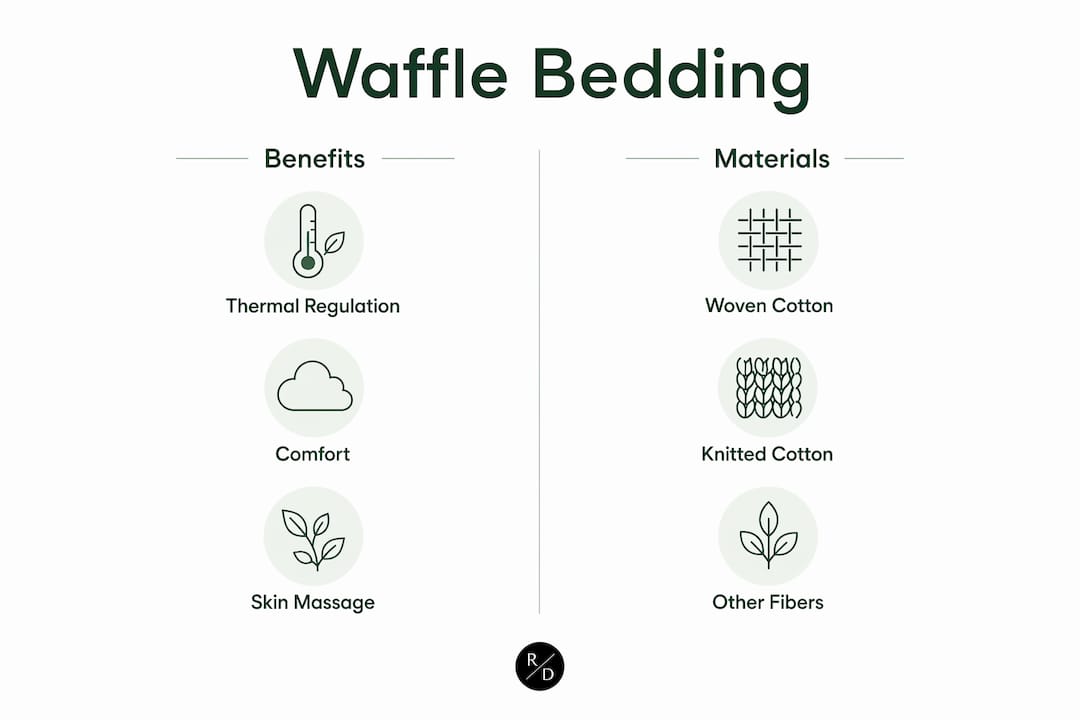
The textured surface of waffle bedding does more than regulate temperature. The raised grid acts as a gentle skin massage, triggering the release of serotonin and melatonin. These are the hormones linked directly to relaxation and the onset of sleep. This is a measurable physiological response to tactile stimulation, not simply a matter of personal preference.
The effect is comparable to lighter-weight weighted bedding in terms of sensory input. Weighted blankets work through deep pressure stimulation. Waffle weave delivers a gentler version of the same principle through surface texture rather than mass. The result is a calming sensation without the heaviness that some people find uncomfortable.
The fabric surface also avoids clinging to skin, providing a fresh tactile sensation throughout the night. This matters for people who find smooth, clingy fabrics unsettling or who wake due to fabric friction. For readers interested in how textured bedding affects sleep, the sensory dimension is as significant as the thermal one.
The raised texture of waffle bedding stimulates serotonin and melatonin release, offering sensory benefits comparable to lighter-weight weighted bedding. This makes it one of the few fabric constructions that actively supports the body’s natural sleep chemistry through touch alone.
Sensory benefits that support better sleep:
- Serotonin release promotes calm and reduces pre-sleep anxiety
- Melatonin stimulation supports the body’s natural sleep cycle
- Gentle pressure effect without the weight of traditional weighted blankets
- Non-clinging surface reduces night-time fabric friction
What materials and weave types are used in waffle bedding?
Not all waffle bedding is constructed the same way. The two main construction methods are woven waffle fabric and knitted waffle fabric, and they behave very differently in use.
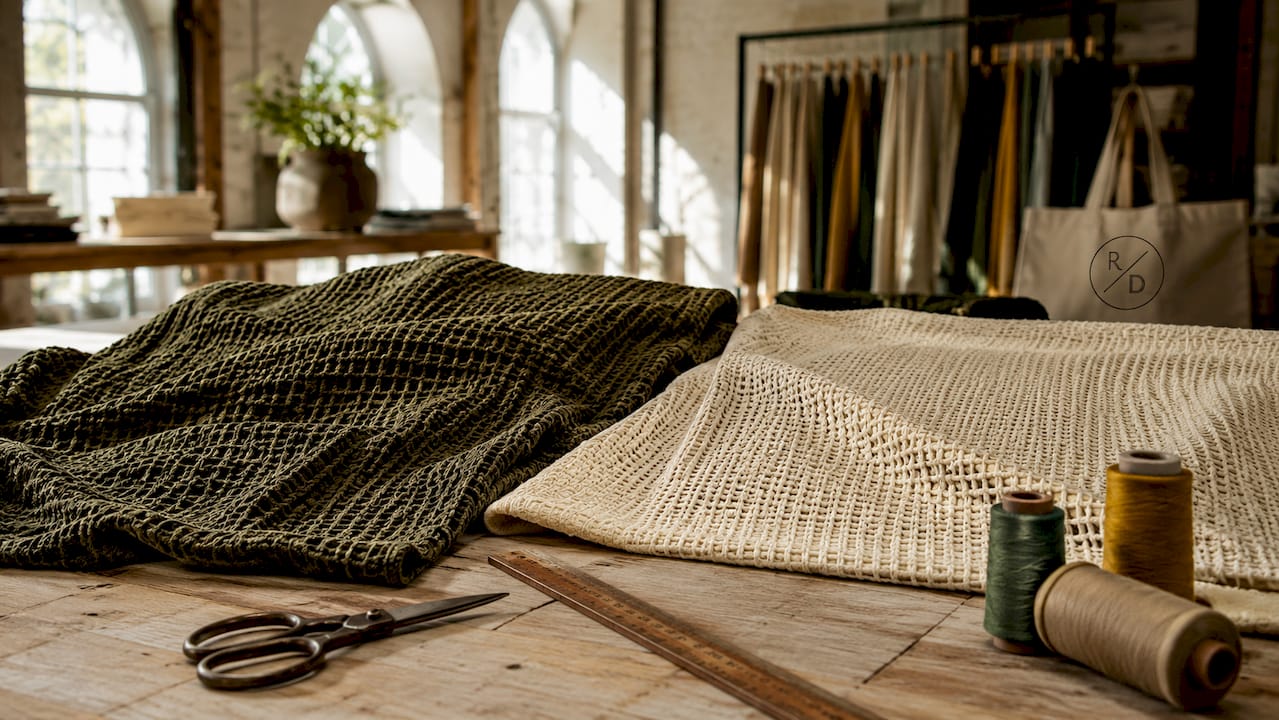
Woven waffle fabric uses interlocked warp and weft yarns to create a stable grid. This construction maintains its shape over time and holds the grid pattern firmly through repeated washing. Knitted waffle fabric, sometimes called thermal fabric, uses looped stitches that allow stretch but can lose their shape faster. For bedding specifically, woven construction is the more durable choice.
| Feature | Woven waffle fabric | Knitted waffle fabric |
|---|---|---|
| Shape retention | High | Moderate |
| Stretch | Low | High |
| Durability | Long-lasting | Shorter lifespan |
| Best use | Bedding, duvet covers | Loungewear, throws |
| Texture consistency | Stable after washing | May soften and flatten |
The fibre used matters as much as the weave type. Cotton is the preferred material for waffle bedding because it combines breathability with softness and is easy to care for. Linen waffle fabric offers a crisper texture and exceptional durability. Microfibre versions are budget-friendly but less breathable than natural fibres. For guidance on choosing between these, Roomie-design’s overview of best bedding materials covers the full comparison.
Pro Tip: When buying waffle bedding, check whether the construction is woven or knitted. Woven cotton waffle holds its grid pattern through years of washing. Knitted versions feel softer initially but may lose their texture definition over time.
How to use and style waffle bedding for comfort and aesthetics
Waffle bedding is one of the most adaptable textiles in the bedroom. Its year-round versatility comes from the air-pocket structure that traps warmth in cold conditions and allows airflow to prevent overheating in warm ones. The key is knowing how to layer it effectively.
- Use alone in summer. A waffle weave blanket or coverlet works as a standalone layer in warm months. The grid structure provides just enough coverage without trapping heat.
- Layer under a duvet in winter. Place a waffle blanket between the fitted sheet and duvet for added insulation. The lightweight insulation adds warmth without bulk.
- Style with neutral tones. The textured surface adds visual depth to a bed. Pairing waffle bedding with plain, neutral duvet covers in cream, stone, or grey lets the texture speak for itself.
- Complement with throws. Drape a waffle weave throw across the foot of the bed for a layered, considered look. This approach suits both minimal and farmhouse bedroom styles.
- Follow care instructions carefully. Wash woven cotton waffle at 40°C on a gentle cycle. Avoid high-heat tumble drying, which can distort the grid pattern. Line drying preserves texture best.
- Choose waffle for sensitive sleepers. People who overheat, dislike clingy fabrics, or seek tactile comfort benefit most from this construction. It is also a practical choice for those exploring all-season bedding without buying multiple sets.
For styling inspiration, pairing waffle textures with calming bedroom décor creates a cohesive, restful space. Ideas for calming home décor pair naturally with the sensory and aesthetic qualities that waffle bedding brings to a room.
Why I think waffle bedding is underrated as a sleep investment
Waffle bedding sits at the intersection of function and style in a way that few other fabric constructions manage. The luxury bedding trend has moved firmly towards textiles that perform as well as they look, and waffle weave delivers on both counts. Most people who try it do not go back to flat-weave alternatives.
What I find most compelling is the sensory dimension. The grid texture is not a gimmick. It actively supports the body’s sleep chemistry through touch, which is something a smooth cotton sheet simply cannot do. For sleepers who struggle with anxiety or restlessness, that distinction is worth paying attention to.
The practical case is equally strong. One quality woven cotton waffle set handles summer and winter without needing to be replaced. That is genuine value, not just a marketing claim. If you are considering an upgrade, waffle bedding is a sound place to start, particularly if you run warm or find standard flat-weave fabrics uninspiring. Roomie-design’s luxury bedding trends guide covers where waffle weave sits within the broader premium bedding market for 2026.
— Roomie
Roomie-design’s premium bedding collection
Roomie-design offers a curated range of luxury bedding sets built for sleepers who want quality fabric, considered design, and lasting comfort.

The collection spans cotton, mulberry silk, linen, and lyocell options across a range of sizes and styles. For those drawn to texture and warmth, the Aristocrat Gold Luxury Designer Bedding Set is a strong starting point, combining premium construction with a refined aesthetic. For a softer, silk-rich option, the Dusty Rose Mulberry Silk Duvet Cover Set offers a different kind of tactile luxury. Each set is selected for durability, breathability, and the kind of finish that holds up over time. Browse the full collection at Roomie-design to find the right match for your bedroom.
FAQ
What is waffle texture in bedding?
Waffle texture refers to a three-dimensional grid weave that creates a raised, square-patterned surface on the fabric. The pattern resembles a Belgian waffle and is produced by alternating float lengths of warp and weft yarns during weaving.
Is waffle bedding warm enough for winter?
Waffle bedding traps body heat in its air pockets, making it suitable for cooler months, particularly when layered under a duvet. The same structure allows airflow in summer, making it a practical year-round option.
What materials are best for waffle bedding?
Woven cotton is the preferred material for waffle bedding because it combines breathability, softness, and shape retention. Linen is a durable alternative, while microfibre is less breathable but more affordable.
How do you wash waffle bedding without damaging the texture?
Wash woven cotton waffle bedding at 40°C on a gentle cycle and avoid high-heat tumble drying. Line drying or low-heat drying preserves the grid pattern and extends the life of the fabric.
How does waffle bedding differ from regular bedding?
Regular flat-weave bedding lies flush against the skin and offers limited airflow. Waffle bedding’s raised grid creates a gap between fabric and body, improving air circulation, moisture evaporation, and tactile comfort.


