Discover the best bedding materials for comfortable sleep
TL;DR:
- Choosing the right bedding material is essential for improving sleep quality, with options like cotton, silk, linen, wool, and down each offering distinct benefits.
- Factors such as breathability, weave structure, hypoallergenic properties, sustainability, and maintenance influence comfort and practicality based on individual needs and climate.
Choosing the right bedding material is one of the most practical decisions you can make for your sleep quality. The fibre, weave, and finish of your sheets and duvet covers directly affect how warm or cool you feel, how your skin responds overnight, and how well the bedding holds up through repeated washing. Cotton, silk, linen, wool, and down each perform very differently, and the gap between a good night’s sleep and a restless one often comes down to which material is on your bed.
Table of Contents
- How to evaluate bedding materials for quality and comfort
- Cotton: Percale vs sateen — crisp cooling or soft warmth?
- Silk bedding: Skin, hair and temperature benefits
- Linen bedding: The eco-breathable option
- Wool and down: Warmth, cosiness, and ethical concerns
- Bedding wisdom: What most buyers overlook
- Explore luxurious bedding for your perfect sleep
- Frequently asked questions
Key Takeaways
| Point | Details |
|---|---|
| Breathability matters | Choose cotton percale or linen for optimum airflow and moisture control. |
| Skin and allergy benefits | Silk and wool offer hypoallergenic advantages and skin-friendly properties. |
| Eco-friendly options | Linen stands out for sustainability and durability. |
| Warmth vs coolness | Sateen cotton and down are better for warmth, while percale and linen cool. |
| Ethical considerations | When choosing down, consider animal welfare and alternative materials. |
How to evaluate bedding materials for quality and comfort
Before comparing specific fabrics, it helps to know which properties actually matter. Not all bedding is equal, and understanding the key criteria makes it easier to narrow down your options according to your choosing bedding for comfort priorities.
The most important factors to consider:
- Breathability and moisture-wicking. Fabrics that allow air to circulate and draw moisture away from the body help regulate temperature through the night.
- Weave and fibre structure. The way threads are interlaced affects softness, durability, and how the fabric feels against skin. A tighter weave tends to feel smoother; a looser weave increases airflow.
- Hypoallergenic properties. Sensitive skin and allergies call for materials that resist dust mites and minimise irritation.
- Sustainability and sourcing. Eco-conscious buyers should look at fibre origin, processing methods, and certifications such as OEKO-TEX or GOTS.
- Maintenance requirements. Some premium materials need gentle washing cycles or specialist care, which affects long-term practicality.
A useful fabric selection guide confirms that percale cotton suits hot sleepers best for cooling, sateen cotton provides extra warmth, silk offers year-round skin and hair benefits, and linen ranks highest for eco-friendly breathability though requires more care.
Pro Tip: Match your bedding material to both your local climate and your skin’s specific needs. Hot, humid climates call for percale or linen; cooler or drier environments suit sateen, wool, or silk.
Cotton: Percale vs sateen — crisp cooling or soft warmth?
Cotton is the most widely used bedding material, and for good reason. It is durable, machine washable, and available across a wide range of budgets and thread counts. The two most popular cotton weaves are percale and sateen, and they perform quite differently.
Percale cotton uses a one-over one-under weave, producing a crisp, matte finish with better airflow. This makes it the preferred choice for hot sleepers or those in warmer climates. Thread counts typically range between 150 and 200 for percale, which keeps the weave open and breathable.
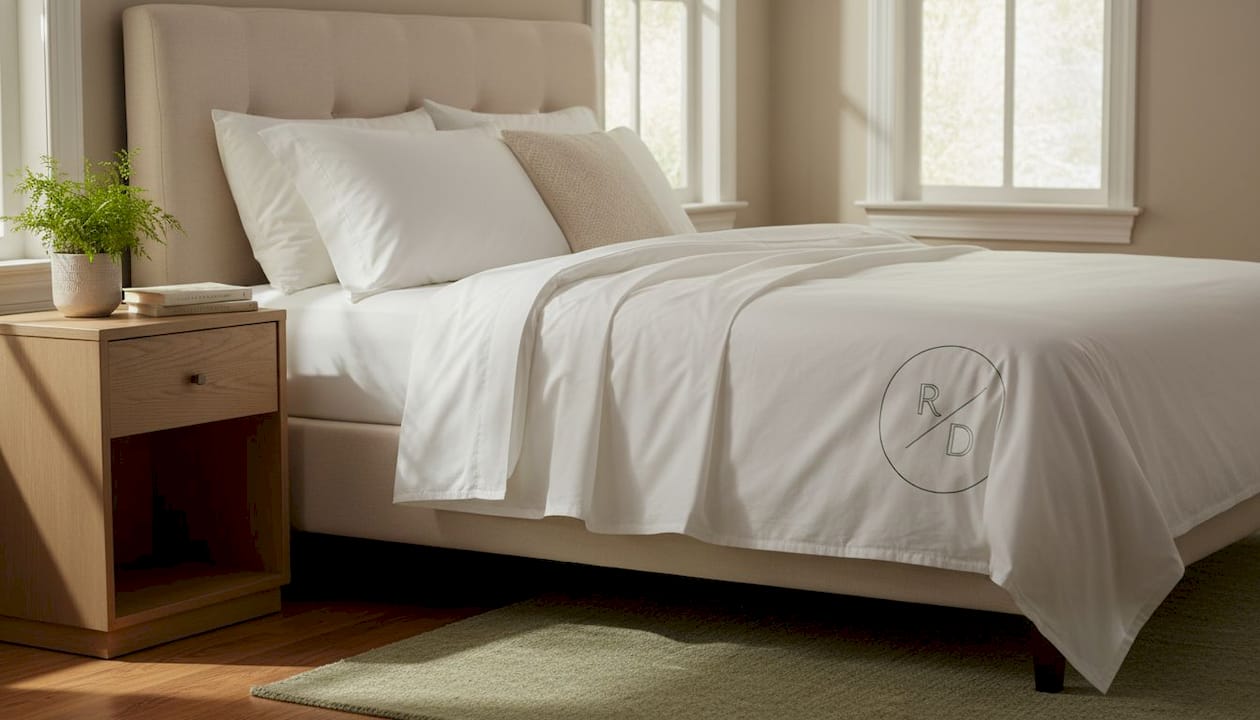
Sateen cotton uses a four-over one-under weave, packing threads more densely to create a smoother, silkier surface with a subtle sheen. It retains more warmth and suits sleepers who feel the cold or prefer a softer hand feel.
| Feature | Percale | Sateen |
|---|---|---|
| Weave | One-over one-under | Four-over one-under |
| Finish | Matte, crisp | Smooth, subtle sheen |
| Breathability | High | Moderate |
| Warmth | Lower | Higher |
| Best for | Hot sleepers | Cold sleepers |
| Thread count range | 150 to 200 | 300 to 600+ |
Key differences at a glance:
- Percale feels lighter and crisper, similar to a freshly ironed cotton shirt
- Sateen drapes more softly and has a slight lustre
- Both weaves are durable and easy to launder at home
- Egyptian cotton and Pima cotton offer premium versions of both weave types
For a high thread count option, the Egyptian cotton duvet at Roomie Design combines cotton quality with a refined finish.
Pro Tip: Keep percale sheets for the warmer months and switch to sateen in winter. This seasonal rotation makes a noticeable difference to sleep comfort without requiring a full bedding overhaul.
Silk bedding: Skin, hair and temperature benefits
Silk is one of the most distinctive bedding materials available, and its benefits go well beyond aesthetics. It is produced from the cocoons of silkworms and has a naturally smooth, protein-based fibre structure that interacts gently with skin and hair.
Key benefits of silk bedding:
- Temperature regulation. Silk has a low thermal conductivity of 0.12 W/m·K, meaning it adapts to body temperature rather than trapping heat or causing chills. This makes it genuinely all-season.
- Moisture-wicking. Silk draws moisture away from the body without feeling damp, supporting a drier sleep environment.
- Hypoallergenic and dust mite resistant. The tightly packed fibres of mulberry silk in particular offer a natural barrier to common allergens.
- Skin and hair benefits. The smooth surface reduces friction, which helps minimise sleep creases on skin and prevents hair from tangling or breaking overnight.
The mulberry silk comforter is a strong option for those seeking year-round temperature balance alongside skin-friendly properties.
Pro Tip: A silk pillowcase is one of the most cost-effective ways to experience silk’s benefits. It prevents hair tangling and reduces overnight friction on facial skin without committing to a full silk sheet set.
Linen bedding: The eco-breathable option
Linen is made from flax plant fibres and has been used in bedding for thousands of years. Its reputation for breathability is well-founded. Linen fibres are hollow, and linen’s hollow-fibre structure delivers maximum breathability and moisture-wicking that outperforms cotton. It also softens gradually with each wash, becoming more comfortable the longer you use it.
Key properties of linen bedding:
- Highly breathable, with superior airflow compared to cotton
- Absorbs up to 20% of its own weight in moisture before feeling damp
- Softens naturally over time without losing durability
- Prone to wrinkling, which requires either ironing or accepting a relaxed, lived-in look
- Made from flax, which requires less water and fewer pesticides than cotton
| Property | Linen | Cotton |
|---|---|---|
| Breathability | Very high | High |
| Moisture absorption | Up to 20% body weight | Moderate |
| Softness over time | Improves significantly | Stable |
| Wrinkling | High | Low to moderate |
| Eco-friendliness | Very high | Moderate |
| Durability | Excellent | Good |
Linen is the top eco-breathable bedding choice, but it demands more care than cotton. If low-maintenance is a priority, factor in ironing time or opt for a pre-washed stonewashed linen that minimises creasing from the outset.
For a clean, natural aesthetic, the natural linen bedding and white linen bedding sets offer quality flax-based options across different colour preferences.
Wool and down: Warmth, cosiness, and ethical concerns
Both wool and down are animal-origin materials prized primarily for warmth, but they differ significantly in how they perform and the ethical questions they raise.
Wool bedding is often underrated. Research confirms that wool excels in moisture management, outperforming polyester and cotton, while also offering strong thermoregulation, breathability, and hypoallergenic properties. Wool fibres absorb moisture vapour and release it gradually, keeping the sleep environment stable without becoming clammy. It also maintains loft (thickness and fluffiness) better than down over time.
Down bedding traps warm air within its clusters, creating exceptional insulation with minimal weight. However, down’s ethical concerns around live-plucking remain a genuine issue, with premium Icelandic eiderdown being a respected but expensive alternative.
| Feature | Wool | Down |
|---|---|---|
| Warmth | High | Very high |
| Breathability | High | High |
| Moisture management | Excellent | Moderate |
| Hypoallergenic | Yes | Not always |
| Loft retention | Strong over time | Can flatten |
| Ethical concerns | Lower | Higher |
Key points:
- Wool suits variable climates and hot or cold sleepers equally well
- Down is best for those who prioritise maximum warmth and lightness
- Look for RDS (Responsible Down Standard) certification when buying down products
- Down alternative pillows offer a cruelty-free option with comparable softness
Wool outperforms synthetic materials for moisture buffering and is one of the most versatile natural bedding fibres available. For those in climates where temperature swings between seasons, wool is a practical and underappreciated choice.
Bedding wisdom: What most buyers overlook
Most people buy bedding based on how it looks or feels in their hands at the point of purchase. That is understandable, but it misses several factors that matter far more in practice.
Maintenance is one of the most overlooked considerations. Silk and linen both require specific care. Silk should be hand-washed or placed in a mesh laundry bag on a delicate cycle. Linen crinkles after every wash and needs ironing or pre-washed treatment. If you will not keep up with that care routine, the quality investment loses its value quickly.
Climate matters more than most buyers acknowledge. Wool is significantly underrated for year-round use in variable climates. Its moisture-buffering ability means it adapts whether the night is warm or cool, making it one of the most practical natural fibres available. Many buyers overlook it entirely in favour of cotton.
Silk is worth the investment, but specifically for those with ongoing skin or hair concerns. If you experience overnight skin dryness, hair breakage, or sensitivity to synthetic materials, a silk pillowcase or silk sheet set offers measurable improvements. It is not purely a luxury purchase.
The comfort and style guide at Roomie Design covers how to align material choices with bedroom aesthetics as well as personal comfort priorities, which is a useful next step once you have identified your preferred fibre type.
Pro Tip: Prioritise anti-allergenic and breathable materials if you are a sensitive sleeper. Silk and wool both resist dust mites naturally, making them practical choices beyond their comfort properties.
Explore luxurious bedding for your perfect sleep
Knowing which material suits your needs is the first step. Finding it in a well-made, well-designed product is the next.
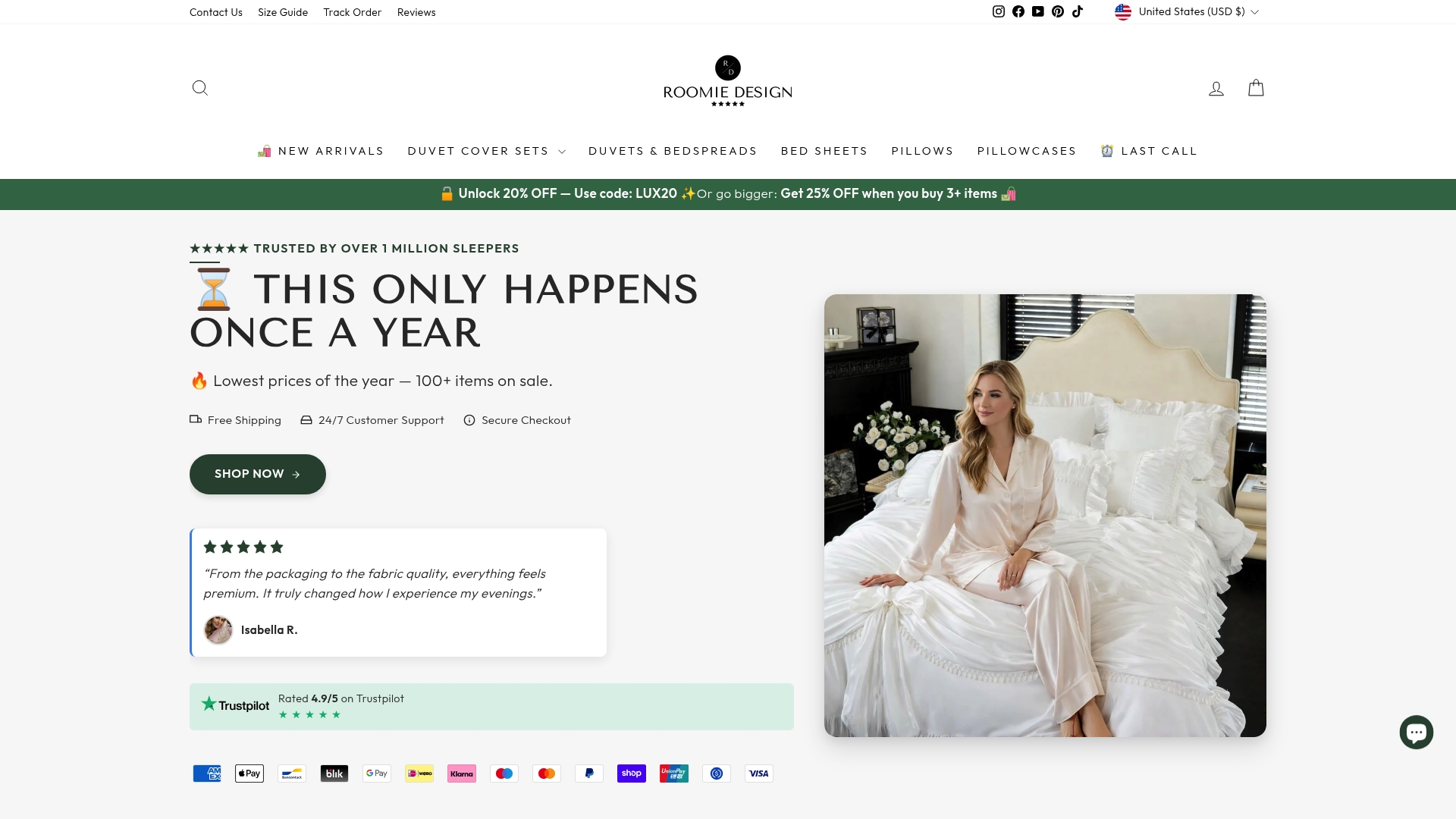
Roomie Design stocks a curated range of premium bedding across the materials covered in this guide. For silk, the mulberry silk bedding set offers 22mm mulberry silk with verified hypoallergenic and temperature-regulating properties. For linen, the natural linen bedding set delivers the breathability and eco-credentials of 100% flax linen. Both options reflect the material standards outlined in this guide and are available in multiple sizes and colourways to suit different bedroom styles.
Frequently asked questions
What is the best bedding material for hot sleepers?
Cotton percale and linen are both strong choices for hot sleepers, thanks to their open weaves and superior moisture-wicking. Linen’s hollow-fibre breathability gives it a slight edge in very warm climates.
Are silk sheets suitable for allergy sufferers?
Yes. Silk is hypoallergenic and resists dust mites, making it a practical choice for those with allergies or sensitive skin.
Which bedding material is the most eco-friendly?
Linen, produced from flax fibres, is widely regarded as the most eco-friendly bedding material due to low water consumption and minimal pesticide use during cultivation.
Why are down products sometimes controversial?
Down bedding carries ethical concerns around live-plucking, where feathers are removed from live birds. Responsible Down Standard (RDS) certification and down alternatives are the main ways to address this concern.


