
Wie man einen Seidenkissenbezug pflegt, ohne ihn zu beschädigen
Waschen Sie Ihren seidenen Kissenbezug wann immer möglich von Hand. Falls eine Maschine unumgänglich ist, legen Sie ihn in einen Wäschebeutel aus Feinmaschgewebe und wählen Sie den schonendsten Schonwaschgang, den Ihre Maschine bietet, mit einem enzymfreien Waschmittel. Diese einzige Entscheidung bestimmt, ob Ihr Kissenbezug in zwei Jahren noch seinen Glanz hat oder innerhalb weniger Monate stumpf und spröde wird.
Das sollten Sie tun:
- In kaltem Wasser waschen, 30°C oder weniger
- Ein pH-neutrales, enzymfreies Waschmittel (oder ein mildes Babyshampoo) verwenden
- Den nassen Bezug in ein Handtuch rollen, um Wasser auszupressen
- Flach oder auf einem gepolsterten Kleiderbügel an der Luft trocknen, fern von direkter Sonneneinstrahlung
- Als Richtlinie etwa alle 7 bis 10 Tage waschen
Das sollten Sie nicht tun:
- Kein Bleichmittel oder Weichspüler verwenden
- Das nasse Gewebe nicht auswringen oder verdrehen
- Nicht im Trockner trocknen, es sei denn, das Etikett erlaubt eine reine Lufttrocknung ohne Hitze
Inhaltsverzeichnis
- Warum die Pflege von Seidenkissenbezügen wirklich wichtig ist
- Was verrät Ihnen das Pflegeetikett wirklich?
- Wie oft sollte man einen Seidenkissenbezug waschen?
- Seidenkissenbezug Schritt für Schritt von Hand waschen
- Kann man einen Seidenkissenbezug sicher in der Maschine waschen?
- Wie entfernt man Flecken aus einem Seidenkissenbezug?
- Wie trocknet und entknittert man Seide ohne sie zu beschädigen?
- Einfache tägliche Gewohnheiten, die Seide zwischen den Wäschen schützen
- Welche häufigen Fehler beschädigen Seidenkissenbezüge am schnellsten?
- Checkliste zur Seidenkissenbezugpflege
- Unsere Meinung zur richtigen Pflege von Seidenkissenbezügen
- Woher stammen die Ratschläge dieses Leitfadens?
- Finden Sie Ihren nächsten Seidenkissenbezug bei Roomie Design
- Häufig gestellte Fragen zur Pflege von Seidenkissenbezügen
- Quellen
Warum die Pflege von Seidenkissenbezügen wirklich wichtig ist
Seide ist eine natürliche Proteinfaser, die von Seidenraupen zu langen, glatten Fäden gesponnen wird, die Licht reflektieren, anstatt es zu absorbieren. Diese Struktur ist genau der Grund, warum Seide sich kühl auf der Haut anfühlt und nicht am Haar zieht, wie es Baumwolle tut. Sie ist auch der Grund, warum sie sich beim Waschen völlig anders verhält als Baumwolle.
Die gleiche reibungsarme Oberfläche, die Ihr Haar über Nacht vor Haarbruch schützt, wird durch grobe Handhabung, heißes Wasser und das falsche Waschmittel leicht aufgeraut. Hitze entspannt und kann die Proteinstruktur sogar versengen. Enzymbasierte Waschmittel, die darauf ausgelegt sind, Proteinflecken auf Baumwolle zu verdauen, verdauen ebenso gerne das Protein der Seidenfaser selbst. Abrieb durch Auswringen, harte Schleudergänge oder Verheddern mit Handtüchern und Reißverschlüssen in der Wäsche raut die Oberfläche auf, und diese Rauheit zeigt sich in einem verminderten Glanz und einem leicht steifen, müden Griff anstatt des fließenden Falls, den ein neuer Kissenbezug hat.
Nichts davon hat wirklich mit Zerbrechlichkeit um ihrer selbst willen zu tun. Es geht darum, die Waschmethode an das anzupassen, was die Faser vertragen kann, und der schnellste Weg, dies herauszufinden, ist das in die Naht eingenähte Etikett. Die Pflegeetiketten des Herstellers sind das maßgebliche Wort darüber, was ein bestimmter Kissenbezug verträgt, und der nächste Abschnitt erklärt, wie man ihn richtig liest.
Was verrät Ihnen das Pflegeetikett wirklich?
Prüfen Sie das Etikett, bevor Sie etwas anderes tun. Es überstimmt jede allgemeine Regel in diesem Leitfaden, denn zwei identisch aussehende Kissenbezüge können darunter völlig unterschiedliche Webarten, Ausführungen und Verzierungen aufweisen.
Die meisten Etiketten für Seidenkissenbezüge verwenden einen kurzen Wortschatz. „Nur Handwäsche“ bedeutet genau das, keine Ausnahmen für einen „schonenden“ Maschinenwaschgang. „Chemische Reinigung“ erscheint normalerweise auf Kissenbezügen mit strukturierten Verzierungen, Kontrastpaspeln oder einem Futter, das ungleichmäßig einlaufen könnte. „Maschinenwaschbar, Schonwaschgang“ bietet Ihnen mehr Flexibilität, setzt aber immer noch kaltes Wasser und einen Wäschebeutel voraus.
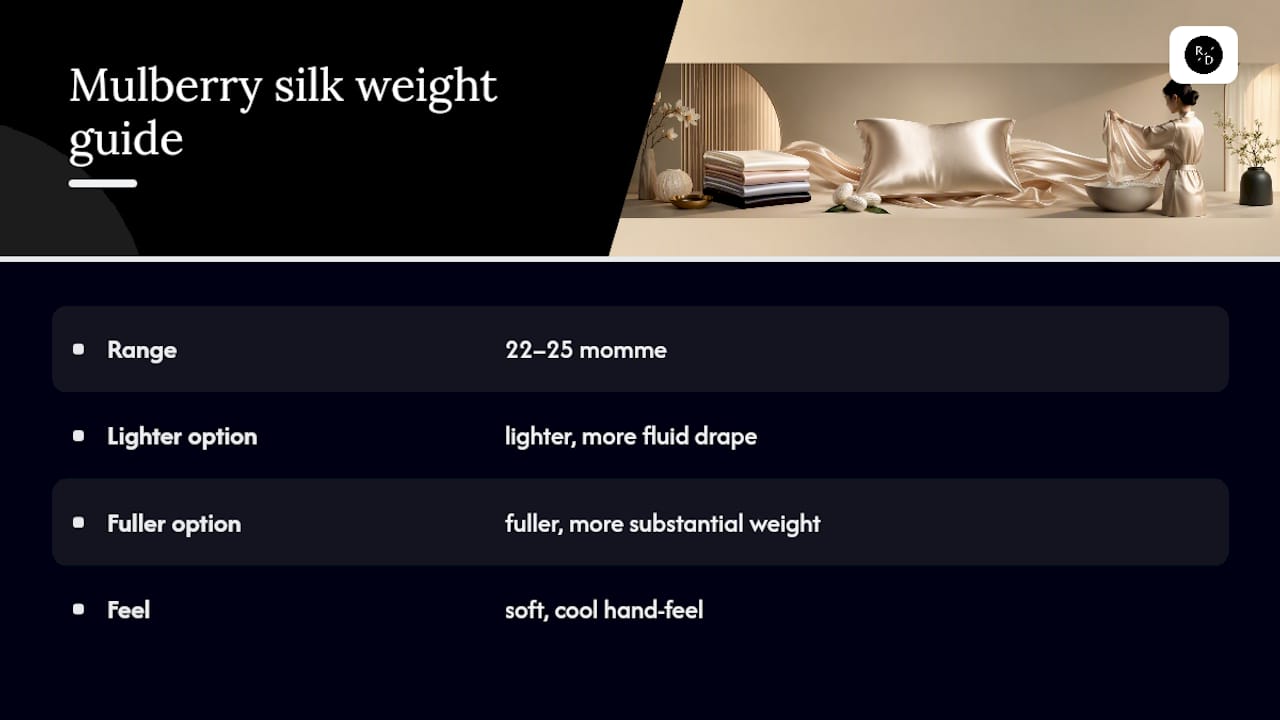
Zwei Stoffbegriffe sind es wert, vor dem Kauf oder Waschen zu wissen. Maulbeerseide bezieht sich auf Seide, die von Seidenraupen hergestellt wird, die ausschließlich mit Maulbeerblättern gefüttert werden, und wird für ihre langen, gleichmäßigen Filamente und glatte Oberfläche geschätzt. Sie unterscheidet sich von „Seidensatin“, einem Begriff, der manchmal synthetische Satinbindungen mit einem seidenartigen Glanz beschreibt, aber ohne die Atmungsaktivität oder Proteinstruktur von Seide. Das Momme-Gewicht (oft als „mm“ oder „Momme“ geschrieben) misst die Dichte der Seide und hat einen direkten Einfluss darauf, wie sich der Stoff beim Waschen verhält.
| Momme-Gewicht | Typisches Gefühl | Waschanleitung |
|---|---|---|
| 22 Momme | Leichterer, weicherer Fall | Handwäsche bevorzugt; schonendere Handhabung |
| 22–25 Momme | Vollere Dichte, widerstandsfähig | Oft maschinenwaschbar im Schonwaschgang, Wäschebeutel empfohlen |
| 25 Momme und mehr | Dichter, substanzieller Griff | Generell haltbarer beim Waschen, benötigt aber immer noch kaltes Wasser und enzymfreies Waschmittel |
Die Temperaturangaben für Wasser bleiben über alle Gewichte hinweg konsistent: Ziel sind 20 bis 25 °C, mit 30 °C als absolute Obergrenze. Die eigenen 22–25 Momme Maulbeerseidenkissenbezüge von Roomie Design sind auf Waschbarkeit ausgelegt, aber das Etikett Ihres spezifischen Sets ist immer noch das letzte Wort.
Profi-Tipp: Fahren Sie mit den Fingern vor dem ersten Waschen an den Nähten entlang. Paspeln, Knöpfe oder ein Reißverschluss können bedeuten, dass der Artikel eine langsamere, schonendere Methode benötigt als ein einfacher Kissenbezug im Hotelverschluss-Stil, auch wenn das Momme-Gewicht das Maschinenwaschen in Ordnung erscheinen lässt.
Wie oft sollte man einen Seidenkissenbezug waschen?
Waschen Sie Ihren Seidenkissenbezug als Grundregel alle 7 bis 10 Tage. Das ist die gleiche Logik wie beim regelmäßigen Waschen von Baumwolllaken: Hautöle, abgestorbene Hautzellen und Produktrückstände sammeln sich auf dem Stoff an, egal ob die Oberfläche aus Baumwolle oder Seide ist.
Diese Grundlinie verschiebt sich je nachdem, was Ihren Kissenbezug über Nacht berührt:
- Starke Nachtcremes, Gesichtsöle oder zu Akne neigende Haut: alle 5 bis 7 Tage waschen
- Standardgebrauch mit leichter Hautpflege: 7 bis 10 Tage sind in Ordnung
- Seltene Verwendung, Gästezimmer oder Duschen kurz vor dem Schlafengehen: auf 10 bis 14 Tage ausdehnen
Zwei Kissenbezüge zu besitzen und sie abwechselnd zu verwenden, anstatt einen ständig zu waschen, reduziert den Gesamtverschleiß über die Lebensdauer des Stoffes und hält gleichzeitig immer einen frischen Bezug bereit.
Seidenkissenbezug Schritt für Schritt von Hand waschen
Sie benötigen sehr wenig: eine saubere Schüssel, kaltes Wasser, ein pH-neutrales, enzymfreies Waschmittel oder ein mildes Babyshampoo und ein weißes oder helles Handtuch, das keine Farbe abgibt.
- Drehen Sie den Kissenbezug auf links, um die äußere Oberfläche vor Reibung zu schützen.
- Wenn ein sichtbarer Fleck vorhanden ist, behandeln Sie ihn mit einem Tropfen Waschmittel vor und lassen Sie ihn 10 bis 15 Minuten einwirken, bevor Sie ihn vollständig waschen.
- Füllen Sie die Schüssel mit Wasser, das nicht wärmer als 30 °C ist, und geben Sie eine kleine Menge Waschmittel hinzu, bis es sich vollständig aufgelöst hat.
- Tauchen Sie den Kissenbezug ein und lassen Sie ihn nicht länger als 10 bis 15 Minuten einweichen.
- Bewegen Sie ihn vorsichtig mit den Händen durch das Wasser. Schrubben oder reiben Sie den Stoff nicht an sich selbst.
- Entleeren Sie die Schüssel und füllen Sie sie mit sauberem, kaltem Wasser neu auf. Spülen Sie so lange, bis keine Seifenreste mehr vorhanden sind.
- Legen Sie den Kissenbezug flach auf ein trockenes Handtuch, rollen Sie das Handtuch mit dem Stoff darin auf und drücken Sie vorsichtig, um überschüssiges Wasser herauszudrücken.
- Rollen Sie ihn aus und legen Sie den Kissenbezug flach zum Trocknen aus, fern von direkter Sonneneinstrahlung oder einem Heizkörper.
Halten Sie diese Dinge unbedingt fern:
- Kein Auswringen oder Verdrehen des nassen Stoffes in keinem Stadium
- Keine Waschmittel mit Enzymen, Bleichmittel oder optischen Aufhellern
- Kein heißes oder sogar warmes Wasser
- Den Kissenbezug nicht länger als 15 Minuten einweichen lassen
Die Wassertemperatur ist wichtiger, als die meisten Leute annehmen. Alles über 30 °C beginnt, die Proteinstruktur der Faser zu lockern, und Waschmittelrückstände, die durch unvollständiges Spülen zurückbleiben, können den Glanz des Stoffes bei wiederholten Wäschen trüben.
Kann man einen Seidenkissenbezug sicher in der Maschine waschen?
Ja, sofern das Pflegeetikett dies zulässt. Viele hochwertige Seidenkissenbezüge können sicher in der Waschmaschine gewaschen werden, solange Sie den Stoff schützen und die Einstellungen sorgfältig kontrollieren. Höhere Momme-Gewichte (ab 22 Momme) vertragen dies tendenziell besser als sehr leichte Gewebe.
- Drehen Sie den Kissenbezug auf links.
- Legen Sie ihn in einen Wäschebeutel aus Feinmaschgewebe und verschließen Sie ihn vollständig.
- Wählen Sie den Seiden- oder Schonwaschgang an Ihrer Maschine.
- Stellen Sie die Wassertemperatur auf kalt, nicht höher als 30 °C.
- Geben Sie ein pH-neutrales, enzymfreies Waschmittel in den Spender.
- Wählen Sie die niedrigste verfügbare Schleuderzahl, idealerweise 400 U/min oder weniger.
- Entnehmen Sie den Kissenbezug sofort nach Beendigung des Waschgangs aus der Maschine.
Profi-Tipp: Werfen Sie ein trockenes, sauberes Handtuch zusammen mit dem Wäschebeutel in die Trommel. Es nimmt überschüssiges Wasser während des Schleuderns auf, was die Zeit verkürzt, in der Ihre Seide mechanischem Stress ausgesetzt ist, und das Risiko, dass der Schleudergang den Stoff dehnt, reduziert.
Vermeiden Sie einige häufige Fehler bei der Maschinenwäsche: Waschen Sie Seide niemals zusammen mit Jeans, Handtüchern oder allem, was Reißverschlüsse oder Klettverschlüsse hat, da diese die Oberfläche beschädigen und aufrauen können. Verzichten Sie auf jeden Waschgang, der ein Mittelrührwerk anstelle einer Trommelbewegung verwendet. Und Bleichmittel oder Weichspüler haben unter keinen Umständen, weder in der Maschine noch von Hand, etwas in einer Seidenwäsche zu suchen.
Wie entfernt man Flecken aus einem Seidenkissenbezug?
Tupfen Sie den Fleck sofort ab. Reiben Sie niemals daran, da Reiben die Substanz tiefer in die Faser drückt und gleichzeitig die Oberfläche aufraut.
Testen Sie jede Behandlung immer zuerst an einer versteckten Nahtzugabe und prüfen Sie nach ein oder zwei Minuten, ob der Stoff weder Farbe noch Textur verändert hat. Für die meisten alltäglichen Flecken, von Hautpflegeprodukten bis hin zu leichten Make-up-Übertragungen, funktioniert ein Tropfen desselben enzymfreien Waschmittels, das auch für Vollwäschen verwendet wird, sanft auf die Stelle getupft, gut. Eine winzige Menge mildes Babyshampoo ist eine gute Alternative für kleinere Flecken.
Ölbasierte Flecken reagieren am besten auf eine kurze Vorbehandlung: Tragen Sie eine kleine Menge Waschmittel direkt auf den Fleck auf und lassen Sie ihn 10 bis 15 Minuten einwirken, bevor Sie ihn normal waschen. Alleiniges Tupfen mit kaltem Wasser beseitigt oft frischen Schweiß oder leichte Verfärbungen ganz ohne Produkt.
Einige Dinge sind gänzlich zu vermeiden:
- Keine Fleckenstifte auf Bleichmittelbasis oder oxidierende Vorbehandlungen
- Keine Scheuerbürsten oder energischen Reibebewegungen
- Kein heißes Wasser, um „den Fleck zu entfernen“, was einige Flecken eher fixiert als entfernt
Wenn sich ein Fleck über mehrere Wäschen festgesetzt hat, wenn sichtbare Farbübergänge von einem farbigen Kleidungsstück vorhanden sind oder wenn das Etikett „nur chemische Reinigung“ besagt, bringen Sie es zu einer professionellen Reinigung, die Erfahrung mit Seide hat, anstatt wiederholte Heimbehandlungen zu riskieren.
Wie trocknet und entknittert man Seide ohne sie zu beschädigen?
Seide niemals auswringen. Stattdessen in ein trockenes Handtuch rollen, um überschüssiges Wasser auszudrücken, dann ausrollen und flach hinlegen oder aufhängen, um den Trocknungsvorgang abzuschließen.
- Drücken Sie überschüssiges Wasser mit der zuvor beschriebenen Handtuch-Roll-Methode aus.
- Legen Sie den Kissenbezug flach auf ein frisches, trockenes Handtuch oder hängen Sie ihn über einen gepolsterten oder Plastikbügel.
- Positionieren Sie ihn fern von direkter Sonneneinstrahlung und Heizkörpern oder anderen Wärmequellen.
- Wenn das Pflegeetikett ausdrücklich das Trocknen im Wäschetrockner erlaubt, verwenden Sie nur die Einstellung „nur Luft“ oder „keine Hitze“, und entnehmen Sie den Kissenbezug sofort, wenn er trocken ist.
- Sobald er vollständig trocken ist, behandeln Sie Falten mit einem Dampfglätter, der mehrere Zentimeter von der Oberfläche entfernt gehalten wird, oder einem Bügeleisen auf niedrigster Stufe, das durch ein trockenes Bügeltuch verwendet wird, immer auf der Innenseite des Stoffes.
Direkte Sonne führt zu einer allmählichen Vergilbung durch photolytische Schäden an der Faser, weshalb Schatten genauso wichtig ist wie niedrige Hitze. Ein heißes Bügeleisen direkt auf trockene Seide gelegt kann sie in Sekundenschnelle versengen, daher ist das Schutzgewebe nicht optional.
Profi-Tipp: Trocknen Sie Seide niemals auf einem Holz- oder Metallbügel, solange sie noch nass ist. Holz kann Tannine und Metall Rostflecken auf feuchtem Stoff übertragen. Ein gepolsterter oder breiter Kunststoffbügel oder einfach das flache Auslegen des Kissenbezugs vermeidet beide Risiken vollständig.
Einfache tägliche Gewohnheiten, die Seide zwischen den Wäschen schützen
Kleine tägliche Entscheidungen tragen mehr zur Lebensdauer von Seide bei als jede einzelne Waschtechnik. Das Auftragen einer reichhaltigen Nachtcreme direkt vor dem Schlafengehen überträgt Öl direkt auf die Kissenoberfläche, sodass ein paar Minuten Einwirkzeit für die Hautpflege den Aufbau deutlich reduziert. Langes Haar zurückbinden oder ein leichtes Gesichtstuch über dem Kissen verwenden, wenn Sie gerade eine Behandlung mit einem stärkeren Produkt machen, hält die Oberfläche zwischen den Wäschen länger sauber.
Die Lagerung ist genauso wichtig wie die Waschtechnik. Falten Sie den Kissenbezug und bewahren Sie ihn in einem atmungsaktiven Baumwollbeutel oder einer Schublade fern von direktem Licht auf, anstatt ihn langfristig in Plastik zu versiegeln, da eingeschlossene Feuchtigkeit und mangelnde Luftzirkulation sowohl Geruch fördern als auch Motten in Stofflagerräumen anlocken können.
- Lassen Sie die Hautpflege ein paar Minuten einziehen, bevor Sie sich hinlegen
- In einem atmungsaktiven Beutel oder einer Schublade lagern, niemals in versiegeltem Plastik, fern von direktem Licht
- Seidenkissenbezüge von mottengefährdeten Lagerbereichen fernhalten
- Besitzen Sie mindestens zwei Kissenbezüge, damit Sie sie wechseln und den kumulativen Verschleiß durch Waschen reduzieren können
Profi-Tipp: Hängen Sie den Kissenbezug zwischen den vollständigen Wäschen für eine Stunde an einen luftigen Ort. Kurzes Lüften entfernt leichte Gerüche ohne den Faserstress eines unnötigen Waschzyklus.
Welche häufigen Fehler beschädigen Seidenkissenbezüge am schnellsten?
Auswringen, Verdrehen und heißes Wasser verursachen über die Lebensdauer eines Kissenbezugs hinweg mehr Schäden als fast alles andere. Fügt man Weichspüler, Bleichmittel oder ein enzymbasiertes Waschmittel zu dieser Liste hinzu, so hat man die Handvoll Gewohnheiten abgedeckt, die für die meisten Seidenbeschwerden verantwortlich sind.
- Nasses Gewebe auswringen oder verdrehen, um das Trocknen zu beschleunigen
- Bleichmittel oder Weichspüler bei jeder Wäsche verwenden
- Seide zusammen mit schweren Gegenständen wie Handtüchern oder Jeans waschen
- Ein Waschmittel mit aktiven Enzymen wählen, in der Annahme, es würde besser reinigen
- Seide in direktem Sonnenlicht trocknen lassen
Wenn sich Ihr Kissenbezug steif oder leicht kreidig anfühlt, handelt es sich dabei oft um mineralische Ablagerungen aus hartem Wasser und nicht um Faserschäden. Ein kurzes Einweichen mit einer kleinen Menge destilliertem weißen Essig im Spülwasser hilft, diesen Film aufzulösen und kann einen Teil der ursprünglichen Weichheit und lichtreflektierenden Oberfläche wiederherstellen. Eine Vergilbung durch Sonneneinstrahlung ist zu Hause schwerer rückgängig zu machen. Wenn ein Essigbad und eine sorgfältige Wäsche sie nicht entfernen, ist das ein Zeichen, einen professionellen Reiniger zu konsultieren, anstatt stärkere Hausmittel zu versuchen, die das Risiko bergen, die Verfärbung zu verschlimmern.
Checkliste zur Seidenkissenbezugpflege
Halten Sie diese Liste bei jeder Wäsche bereit:
- Immer zuerst das Pflegeetikett prüfen
- Wenn möglich Handwäsche wählen; Maschinenwäsche nur mit Wäschenetz und Schonwaschgang
- Ein pH-neutrales, enzymfreies Waschmittel oder mildes Babyshampoo verwenden
- Wassertemperatur bei oder unter 30°C halten
- Niemals auswringen; stattdessen in ein Handtuch rollen
- Flach liegend oder hängend an der Luft trocknen, fern von Sonne und Hitze
- Gefaltet in einem atmungsaktiven Beutel, fern von direktem Licht lagern
- Zwischen mindestens zwei Kissenbezügen wechseln
- Jeden Fleck innerhalb von Minuten, nicht Tagen, vorbehandeln
Unsere Meinung zur richtigen Pflege von Seidenkissenbezügen
Wir entwerfen Maulbeerseidenkissenbezüge so, dass sie dem tatsächlichen, regelmäßigen Gebrauch standhalten und nicht nur am ersten Tag gut aussehen. Deshalb ist unsere Empfehlung eindeutig: Waschen Sie sie von Hand, wann immer Sie können, und wenn Sie die Maschine benutzen, schützen Sie den Stoff mit einem Wäschenetz und dem schonendsten verfügbaren Waschgang. Richtige Pflege und ein gut gemachter Kissenbezug wirken zusammen. Keines gleicht das andere vollständig aus.
Das Momme-Gewicht ist oft der Grund, warum viele Kaufentscheidungen falsch laufen. Viele Leute nehmen an, dass ein höheres Momme-Gewicht automatisch "schwerer zu waschen" bedeutet, obwohl unsere 22 Momme Mandala Kissenbezüge und unser 25 Momme Maulbeerseide-Set beide so konzipiert sind, dass sie einen schonenden Feinwaschgang vertragen, vorausgesetzt das Wasser bleibt kalt und das Waschmittel ist enzymfrei. Das Gewicht beeinflusst eher das Handgefühl und die Haltbarkeit, als dass es eine starre Waschmethode vorschreibt.
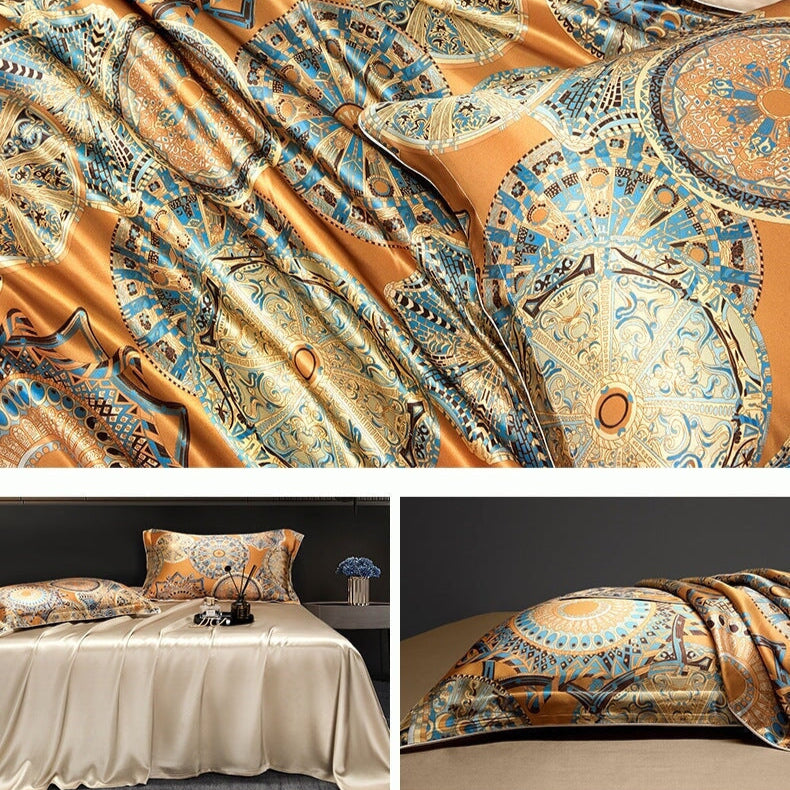
Wenn Sie sich entscheiden, ob Sie einen zweiten Kissenbezug zur Rotation hinzufügen oder einen abgenutzten ersetzen möchten, passt unser cremefarbener Maulbeerseide-Kissenbezug natürlich zu einer Rotationsroutine, und jede Produktseite enthält eine eigene Größentabelle und Pflegeinformationen, die speziell für diesen Artikel gelten. Die Kombination einer ordnungsgemäßen Waschroutine mit zwei Kissenbezügen in Rotation ist nach unserer Erfahrung die effektivste Gewohnheit, Seide jahrelang statt nur monatelang wie neu aussehen zu lassen.
Woher die Ratschläge dieses Leitfadens stammen
Dieser Leitfaden basiert auf Wasch- und Stoffpflegehinweisen aus etablierten Publikationen für Haushalt und Lebensstil, die auf Konsistenz geprüft wurden, bevor sie in die oben genannten Schritte umgewandelt wurden:
- Der Leitfaden von Good Housekeeping zum sicheren Waschen von Seidenkissenbezügen
- Der Reinigungsleitfaden für Seidenkissenbezüge von FabricCare101
- Der Leitfaden der Sleep Foundation zum Hand- versus Maschinenwaschen von Seide
- Der Leitfaden von Martha Stewart zum Waschen von Seidenlaken
- Die Waschanleitung für Seidenlaken von The Spruce
- Tom’s Guide zum richtigen Waschen eines Seidenkissenbezugs
Was auch immer diese Quellen allgemein empfehlen, das in Ihrem eigenen Kissenbezug eingenähte Pflegeetikett hat Vorrang. Es spiegelt die genaue Webart, das Finish und die Zierleisten dieses spezifischen Artikels wider, Informationen, die kein allgemeiner Leitfaden im Voraus kennen kann.
Finden Sie Ihren nächsten Seidenkissenbezug bei Roomie Design
Die richtige Waschroutine schützt das, was Sie bereits besitzen, aber ein Kissenbezug, der das Ende seiner Lebensdauer erreicht hat oder den Sie gerne durch ein frisches Set ersetzen möchten, verdient von Anfang an die gleiche Pflege. Die Maulbeerseide-Kissenbezüge von Roomie Design werden im Bereich von 22 bis 25 Momme hergestellt, den dieser Leitfaden als den Sweet Spot für Haltbarkeit ohne Einbußen beim weichen, kühlen Handgefühl, für das Seide bekannt ist, bezeichnet.

Wenn Sie zwischen einem leichteren, fließenderen Fall und einem volleren, substanzielleren Gewicht abwägen, erklärt unser Leitfaden, worauf Sie bei einem Maulbeerseide-Kissenbezug achten sollten, die Unterschiede zwischen unseren Sets in einfachen Worten. Für Pflegetipps, die über Seide hinausgehen und Ihre gesamte Bettwäsche betreffen, lohnt es sich auch, unseren Leitfaden zur Verlängerung der Lebensdauer von Bettwäsche zu lesen. Für Leser, die dieselbe Denkweise für empfindliche Stoffe auch auf andere Garderobenbereiche anwenden möchten, behandelt der Leitfaden von Lingerie Seduction zur Pflege empfindlicher Stoffe ähnliche Waschprinzipien für andere Protein- und Kunstfasern.
Bereit, ein Set in Ihre Rotation aufzunehmen? Durchsuchen Sie den Mandala 22mm Maulbeerseide-Kissenbezug, den cremefarbenen Maulbeerseide-Kissenbezug für Haare und Haut oder den 25 Momme Maulbeerseide-Kissenbezug, überprüfen Sie die Größentabelle auf der Produktseite und geben Sie Ihre Bestellung noch heute auf.
Häufig gestellte Fragen zur Pflege von Seidenkissenbezügen
Kann ich einen Seidenkissenbezug in der Waschmaschine waschen? Ja, wenn das Pflegeetikett es erlaubt. Drehen Sie ihn auf links, legen Sie ihn in einen Micro-Mesh-Wäschesack und wählen Sie einen Schon- oder Seidenwaschgang mit kaltem Wasser bei oder unter 30°C und einem enzymfreien Waschmittel.
Wie oft sollte ich meinen Seidenkissenbezug waschen? Alle 7 bis 10 Tage ist ein guter Richtwert. Waschen Sie ihn häufiger, wenn Sie reichhaltige Nachtcremes verwenden oder zu Akne neigende Haut haben, und Sie können ihn bei leichterer Hautpflege oder seltener Nutzung auf 10 bis 14 Tage ausdehnen.
Welches Waschmittel ist für Seidenlaken und Kissenbezüge sicher? Verwenden Sie ein pH-neutrales, enzymfreies Flüssigwaschmittel für Feinwäsche oder Seide oder ein mildes Baby-Shampoo. Vermeiden Sie alles, was Bleichmittel, optische Aufheller oder Weichspüler enthält.
Kann ich einen Seidenkissenbezug im Trockner trocknen? Nur wenn das Pflegeetikett es ausdrücklich erlaubt, und nur bei Lufttrocknung oder ohne Hitze. Das Lufttrocknen liegend oder auf einem gepolsterten Kleiderbügel, fern von Sonnenlicht, ist die sicherere Standardmethode.
Warum fühlt sich mein Seidenkissenbezug nach dem Waschen steif an? Steifheit deutet meist auf Waschmittelrückstände oder Kalkablagerungen aus hartem Wasser hin. Ein kurzes Spülen mit einer kleinen Menge destilliertem weißen Essig kann diesen Film auflösen und die Weichheit und den Glanz wiederherstellen.
Quellen
- Wie man Seidenkissenbezüge sicher wäscht, damit sie nicht beschädigt werden
- Wie man einen Seidenkissenbezug wäscht: Sicherer Reinigungsleitfaden – FabricCare101
- Wie man einen Seidenkissenbezug wäscht: Sollte man von Hand oder maschinell waschen?
- Wie man Seidenlaken wäscht, um sie weich und luxuriös zu halten
- Wie man Seidenlaken wäscht


